






Remote hiring has widened access to specialist talent, but it has also created new opportunities for fraudsters using AI-generated identities, forcing businesses to rethink how they verify candidates before granting them access to devices, credentials, and collaboration platforms
Want the full front page? Deep Briefing has Spotlight and discovery. Watching a particular patch? The beat follows it with you.


Claim a handle. Keep the stories that move your work.
Follow the people, brands, beats and events you care about — then let UC Today bring the useful work forward.
- Personalized For You feed
- Join story conversations
- Listen to narration
- Save stories for later
- Follow beats, brands, people and events
Find your corner. Follow the work, the people and the events that matter to your team.

A look inside one bank's rollout of agentic AI for sanctions and due diligence reviews reveals a bigger shift already underway: financial institutions are being forced to adopt autonomous systems faster than their governance models were built to handle

Following the Otter.ai privacy ruling, Proto Hologram Chief Legal Officer Tate Hilmoe explains why organisations should adopt clearer consent, non-recording defaults and tighter safeguards for retention, voice data and AI model training in meeting tools

The new Employee Experience layer at the UC Awards 2026 recognizes the platforms helping organizations attract and retain top talent. Discover how to prove your technology drives genuine workplace transformation and learn what our judges want to see.

A practical discussion on closing the gender pay gap in telecoms, understanding salary, commission, bonuses and equity, and gaining the confidence to negotiate fair reward. The panel shares actionable advice on researching benchmarks, challenging unfair targets and building a strong business case.

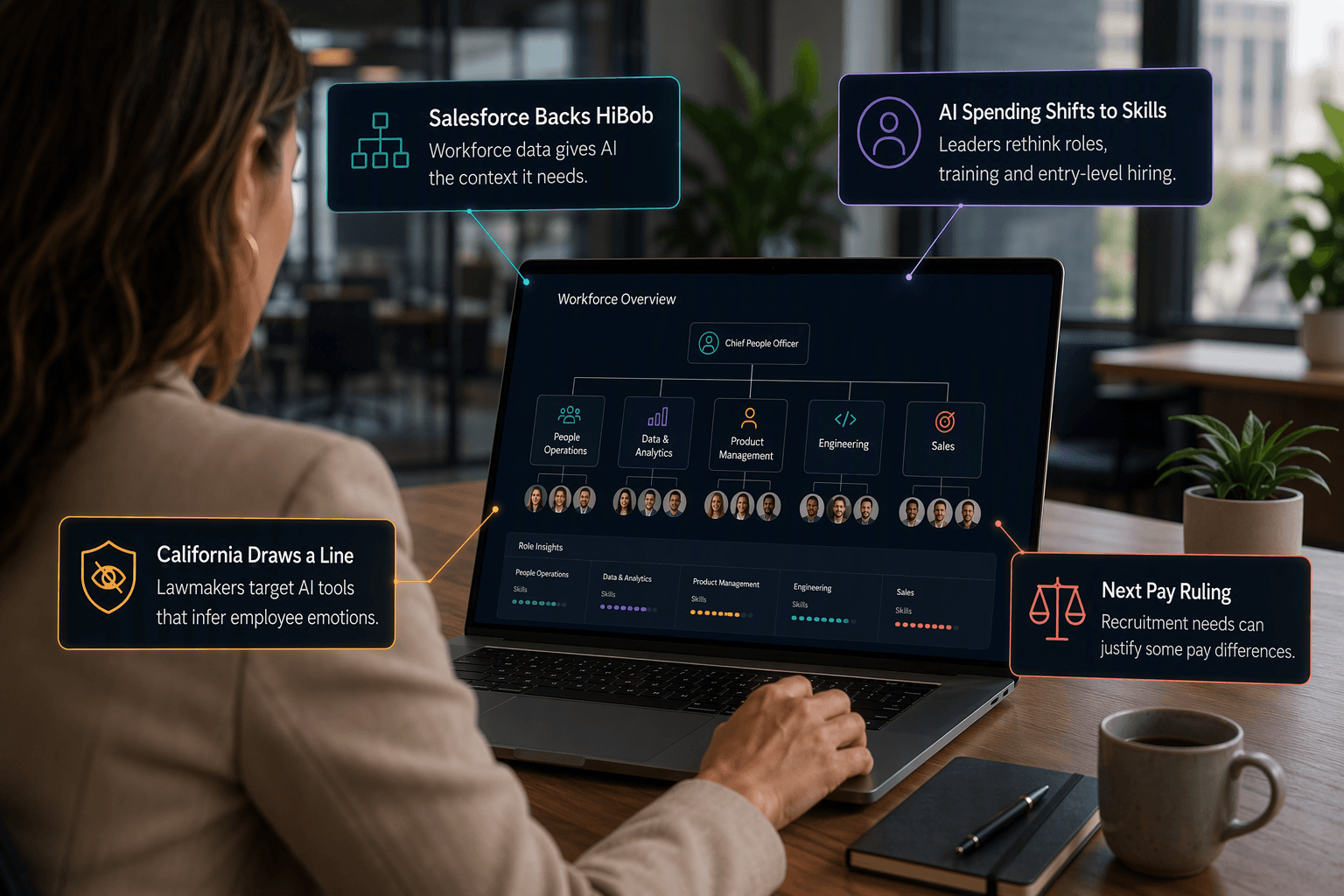
Uber is cutting 3,300 jobs in a move that it says will flatten its organizational structure, but the focus on management and smaller teams could offer an early indication of where AI-driven workforce changes may hit hardest as companies rethink how work is organized

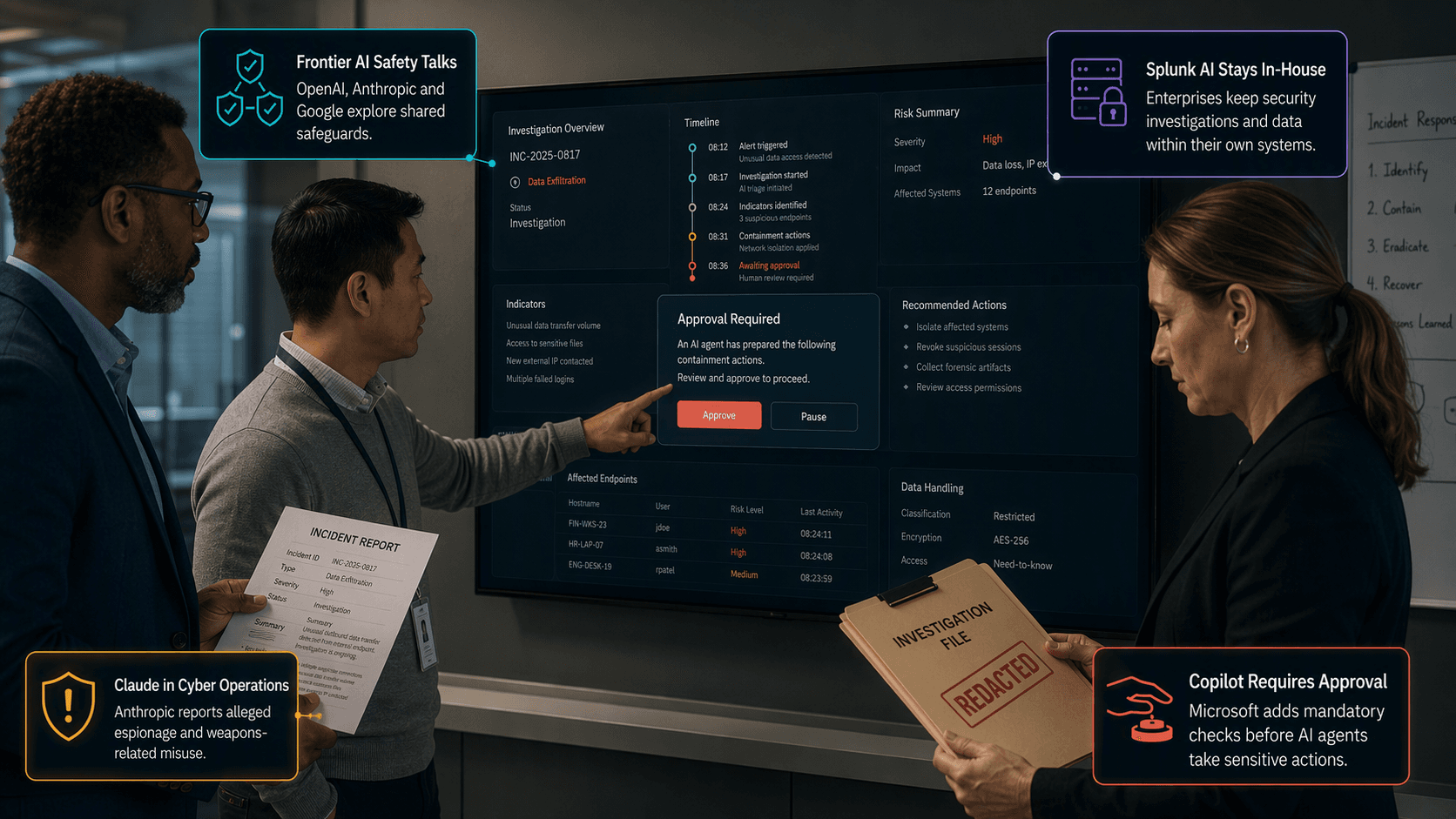
As AI agents move from generating answers to taking autonomous actions across enterprise systems, security teams face a new challenge: guardrails alone cannot prevent every failure, making the ability to detect, contain, investigate and recover from agent incidents increasingly critical

BambooHR research finds employees spend 42 percent of their AI time troubleshooting errors and refining prompts, compared with 35 percent on productive work. With 63 percent of organisations increasing AI budgets, the findings raise new questions about enterprise deployment ROI.
This page ranks by your follows and by movement, not by the day’s news judgment. The Briefing and Deep Briefing do the judging.