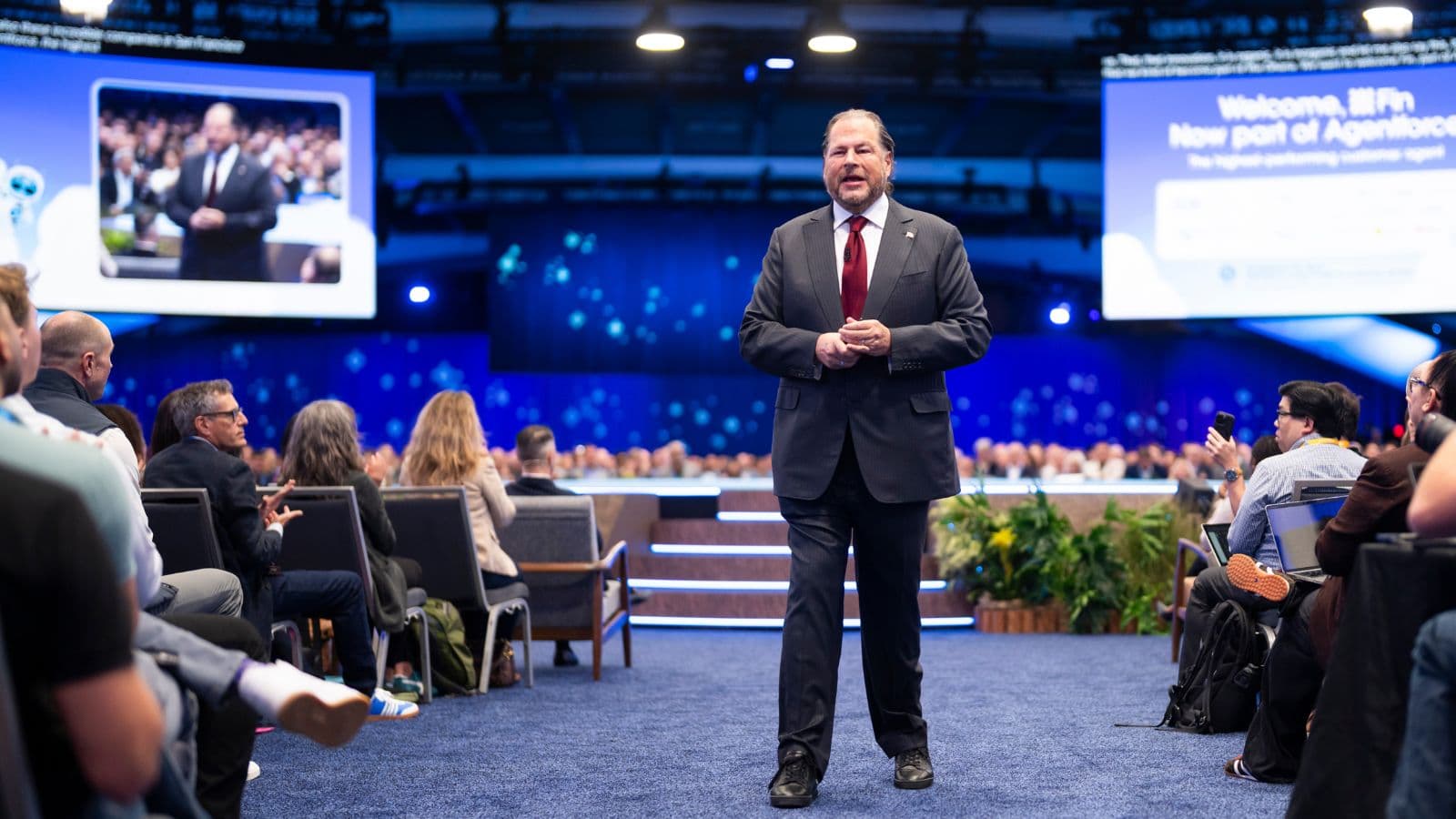
Salesforce opened its Day 1 keynote with Gwen Stefani performing "Underneath It All," and the song's title was a big hint. It set up the company's core argument: Salesforce's future value won't come from people logging into Salesforce. It'll come from Salesforce data, logic, and permissions working quietly inside whatever tool an employee already has open, whether that's Slack, Claude, Amazon Quick, or Google's Gemini Enterprise.
That thinking got a name here on Day 1: AIforce. Salesforce described this new suite of capabilities as a live interface layer, one that takes customer data, workflows, permissions, business logic, and governance controls and pushes them out through a growing list of entry points.
TL;DR
Salesforce's AIforce announcement pushes CRM data and governed actions into Slack, Claude, Amazon Quick, and Gemini Enterprise, rather than keeping them inside the Salesforce interface.
The company argues the Salesforce screen was never really the product. The data model, permissions, and business logic underneath it are.
Enterprise buyers should treat this as a governance question first: can validation, approval, and audit controls survive when work starts somewhere other than Salesforce itself?
The Screen Is No Longer the Point
Salesforce (and every Saas company) has spent decades encouraging people to start their work inside Salesforce. Log in, find the account or opportunity record, click through a dashboard, trigger a workflow from a set menu.
AIforce reframes that entirely. The interface becomes something an employee might visit occasionally, not something they need to open every time they want to get something done.
That shift is visible across Salesforce's Day 1 partner announcements, and taken together, they tell a fairly consistent story: wherever the employee already is, Salesforce wants to be underneath it.
The company has been building toward this admission for months. In the keynote, viewers saw a clip from an event six months earlier, where Salesforce CTO & Co-Founder Parker Harris, said something that seemed controversial at the time:
"We are basically saying why should I ever log into Salesforce? I built the lightning UI. I worked really hard on it. Why should you ever log into Salesforce again? Maybe you never will."
Today, those words have more weight than ever. AIforce will give enterprise workers the ability to access data held within Salesforce, but from a range of different starting points.
In Amazon Quick, Salesforce data and skills are now accessible without a custom integration. Salesforce's own example: an account team asks Quick to pull together a meeting brief using live pipeline data, recent customer activity, and open service cases, all without touching Salesforce directly.
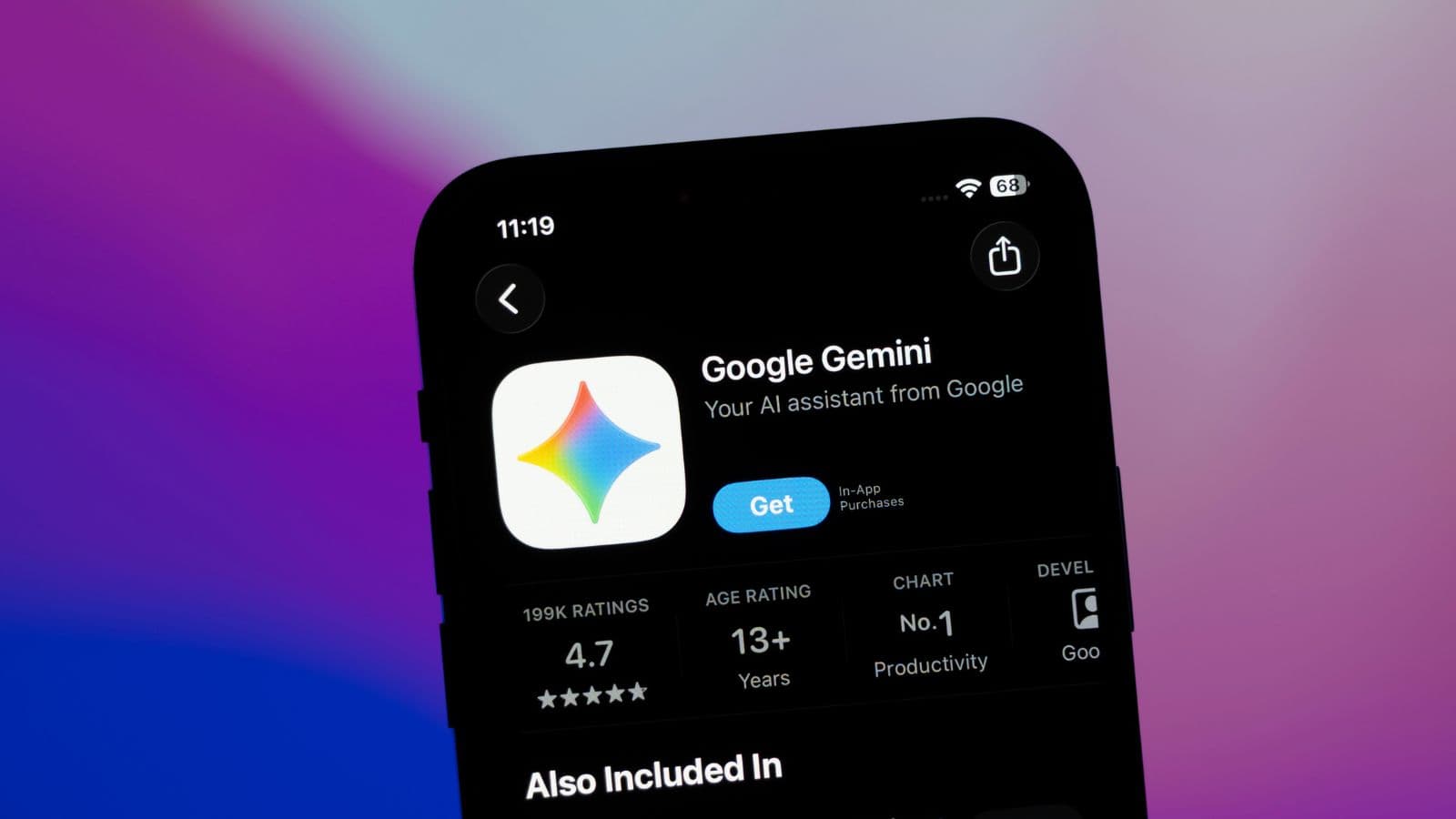
In Google Cloud's Gemini Enterprise, Salesforce says its headless architecture supports tasks like pipeline health checks, account summaries, and case triage from inside Gemini, with Gemini's own models also available inside Agentforce workflows.
What Does "Headless" Mean in This Context?
A headless architecture separates the underlying data and logic from any single visible interface, so the same information and workflows can be accessed through multiple front ends, Slack, Claude, a browser, without being tied to one screen.
Claudeforce does the same thing inside Anthropic's Claude. Salesforce in Claude brings account context and 37 prebuilt sales skills directly into a Claude conversation, so someone can prep for a meeting, check pipeline health, or update a record without opening Salesforce at all.
Then there's Slackforce, Salesforce's push to make Slack a genuine front end for CRM work rather than just a place to chat about it. Slackbot can pull in Salesforce data alongside conversation context, while Slack CRM lets people take record actions through a prompt. And and the new Slackforce Surfaces can create live dashboards & reports when prompted.
Starting With the Outcome Instead of the Application
The idea behind AIforce is that people should start with what they're trying to accomplish, not with which application they're supposed to open first. The AI interface pulls in the relevant Salesforce context, applies the business rules and permissions already in place, and either suggests the next action or, where allowed, takes it.
A rep might kick off a task in Claude. An engineering team might work an incident through Slack. Someone in Gemini Enterprise might dig into a case without ever touching a CRM tab. Salesforce's argument is that the system of record doesn't need to be the system where the work actually starts.