powering productive workplaces
Front page
NewsImmersive Work1h · 12:01 BST · 3 min read

Round Up: Snap’s Workplace XR Move Before Meta Connect

Snap has announced enterprise partnerships for SPECS, bringing AI guidance, remote expertise and workflow tools to its AR glasses. With Meta Connect set for next week, the latest XR news highlights the race to make smart glasses practical for frontline workers.

ar glasses

Snap used this week's SPECS launch to detail how it intends to bring its AR glasses into the workplace, announcing enterprise partnerships with Salesforce, Amazon Web Services, NVIDIA, Trifork and Hololight.

The announcements set out a hands-free computing pitch for field service, remote support and retail, spanning enterprise data, AI agents, remote expertise and 3D content.

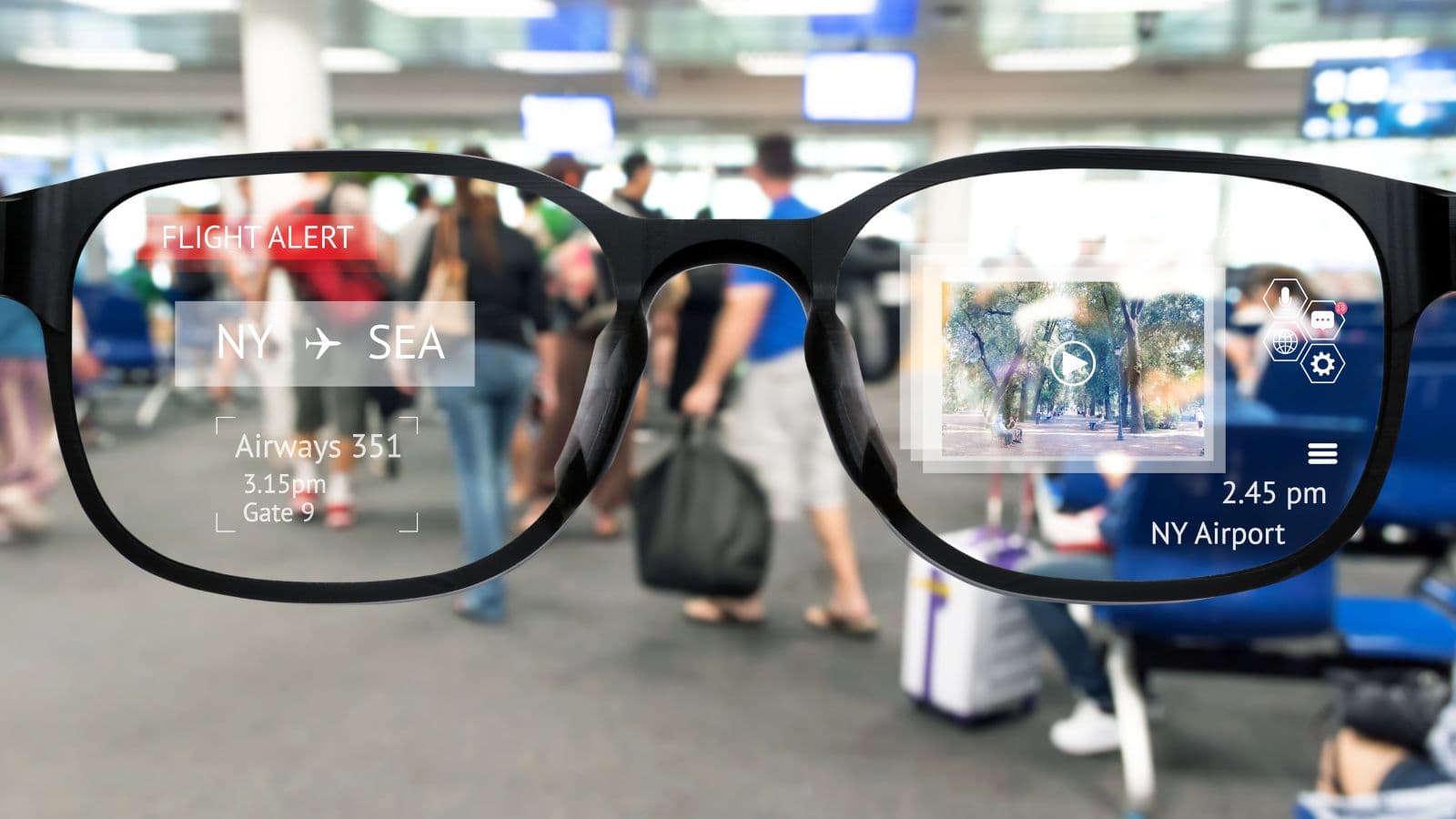
Salesforce is bringing Agentforce to SPECS, according to Snap. The company said workers could use the glasses to identify what they are looking at, create a case, surface relevant information and update a workflow without moving to a separate screen.

Snap is also working with AWS to connect SPECS to Amazon Quick, AWS’s AI assistant for work. Its retail example sees an associate asking where a product is located or how much stock is available, with the answer appearing in the wearer’s field of view.

NVIDIA’s XR AI stack is intended to enable real-time guidance using a worker’s surroundings and relevant company data. Trifork’s Tandem platform connects onsite technicians with remote experts and AI agents, including visual annotations in the technician’s view. Hololight, meanwhile, is intended to give workers streamed access to documents, tools and 3D models through a spatial workstation.

“Most work does not happen at a desk,” Snap said. “It happens on a store floor, inside a factory, and in the field, where people need their hands free, their eyes up, and the right information within reach.”

Meta Connect Could Put Project Phoenix in the Spotlight

Meta Connect takes place on 23–24 September, with the company promising updates across AI, wearable technology and immersive experiences.

Project Phoenix, Meta’s reportedly lightweight mixed-reality headset, is expected to feature. Recent reports, including apparent images and animations found in Horizon OS firmware, point to a slim headset with a tethered compute and battery unit.

Meta has not confirmed Project Phoenix, its specifications or a release date. Earlier reporting suggested the device’s commercial release had moved to 2027, but Connect could provide the first substantial public look at Meta’s next mixed-reality hardware.

The event will be closely watched for signs of how Meta intends to position its next hardware generation across workplace, developer and prosumer use cases.

VR Shipments Continue to Fall

Counterpoint Research data published this week showed global VR-headset shipments fell 18 percent year on year in the second quarter of 2026, and declined 16 percent from the previous quarter.

The data contrasts with the AR market, where device shipments grew 138 percent annually. Counterpoint identified enterprise VR demand as relatively resilient, particularly where businesses and governments are using immersive technology to address operational requirements.

The figures underline the industry’s growing attention on lighter AR and AI-glasses form factors, which vendors increasingly position as everyday computing devices rather than specialised immersive hardware.

Magic Leap Focuses on Waveguide Manufacturing

Magic Leap is also adapting to that shift. On 10 September, the company promoted Scott Carden from senior vice-president of display engineering and manufacturing to chief operating officer.

Ross Rosenberg is stepping down as chief executive and moving to the board, while Magic Leap searches for a replacement with experience scaling manufacturing.

The company is moving away from first-party devices to become a supplier of waveguides and device-integration expertise for OEMs developing AI display glasses. Direct sales of Magic Leap 2 ended in March, although authorised resellers can continue selling the headset until the end of the year.

“With our new focus on supplying waveguides, Ross and the Board determined the company would be best served by a leader with a track record of scaling manufacturing capabilities,” Carden said.

Magic Leap is working with Google on a three-year collaboration that combines its waveguides with Google’s Raxium microLED light engine. It also has a manufacturing agreement with Pegatron, which it says will support high-volume production of AR-glasses components and waveguides.

The moves show a sector working on both sides of the XR equation: proving useful frontline workflows today while attempting to lower the cost and improve the supply of the hardware needed to take smart glasses further.

rate this story
helps rank stories across uc today
The discussion0 takes · attributed & checked

Does this reflect your experience?

opening the room…
Read nextordered by techtelligence · every pick explained
same beat · Immersive Work

The Humanoid Robot Reality Check: What Enterprise AI Needs to Deliver

13 Aug 2026
same beat · Immersive WorkDo Smart Glasses Need Tougher Privacy Safeguards?12 Aug 2026same beat · Immersive WorkUK Pub Chain Clarifies Smart Glasses ‘Ban’ Reports11 Aug 2026