Lately, we’ve been watching enterprise software age in dog years. The retirement notices are getting hard to keep up with.
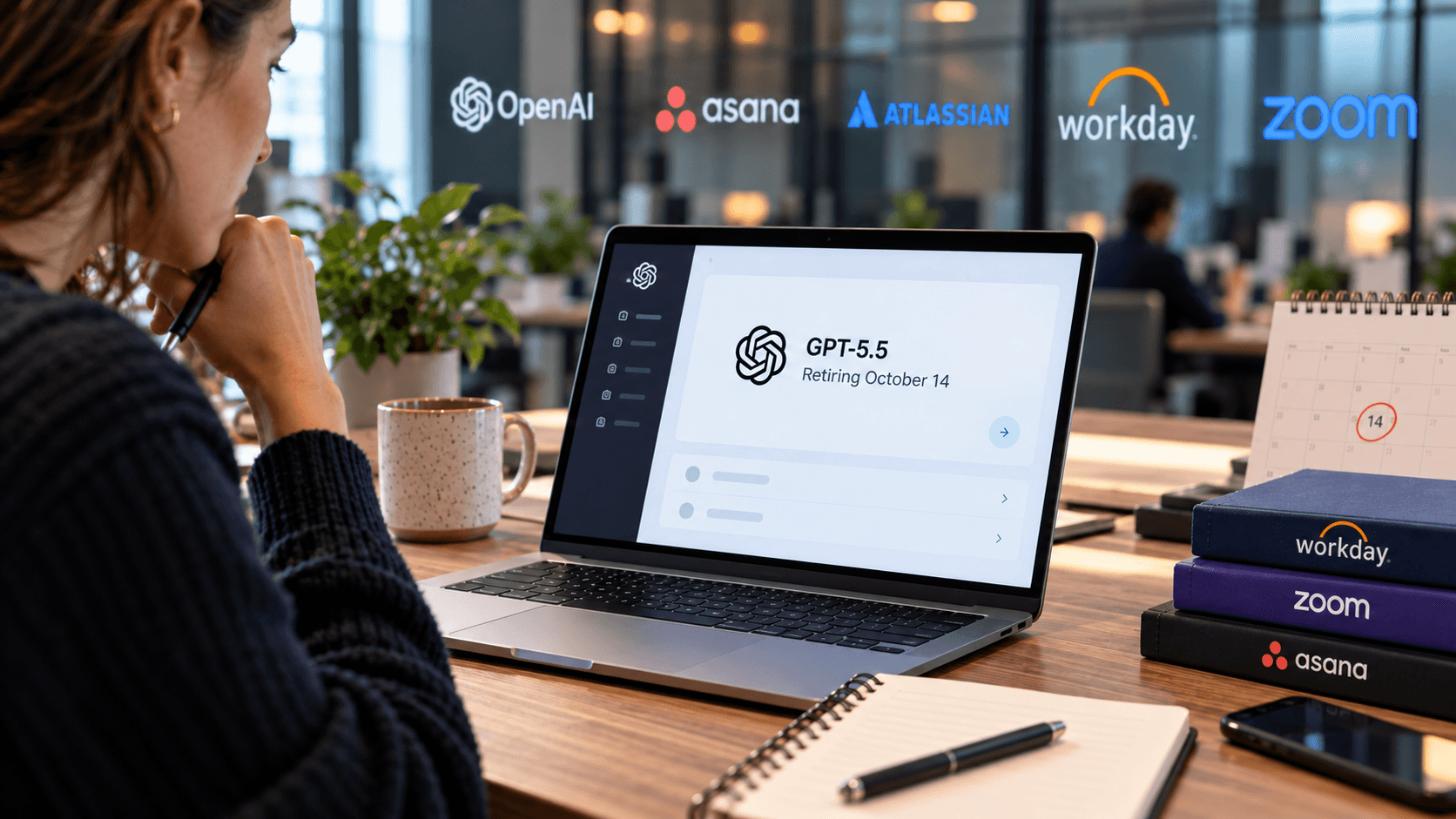
Microsoft Project Online went on September 30. Project LTSC 2021 loses support on October 13, although it'll still run without security fixes or technical support. A day later, GPT-5.5 is scheduled to leave ChatGPT, ChatGPT Work and Codex.
It's an odd week to be promising everyone a new digital coworker, especially now that Workday Rising is kicking things into high gear, with Aneel Bhusri and Gerrit Kazmaier discussing agents “doing real work.” Asana's Work Innovation Summit lands on GPT-5.5's retirement day.
OpenAI spent September expanding what its agents could handle. Team Tasks can now manage recurring project updates, keeping track of progress, blockers, and upcoming work. It's another development in the workspace-agent story we've been following. Of course, retiring the model behind a workflow won't make the reporting deadline disappear. Someone still has to deliver Monday's update.
Joshua Goldfein at Mercury Digital has a sensible approach. In an October 7 account of his team's content workflow, he explained how they keep instructions, source records, and checks separate from the GPT-5.5 and Claude models doing the work.
“Nothing in that chain depends on which model wrote which part.”
That means the team can change models without rebuilding the workflow around them. It's a detail I'd be asking vendors about while they're showing off their latest agents.
Apparently, project managers have another deadline to track: when their software workers are due for retirement.
TL;DR:
-
GPT-5.5 has given project managers another deadline to worry about. October 14 is retirement day, and OpenAI wants customers checking scheduled tasks, custom agents, and scripts before the switch. Anyone relying on the model for weekly project updates should probably test the replacement. Finding out on Friday that Wednesday's model change messed up the reporting isn't much fun.
-
Atlassian is giving AI agents a bigger share of the backlog. At Team ’26 Europe, Jira showed off bulk agent assignments across up to 50 work items, alongside new capacity and budget-planning capabilities. Handy, but fifty assigned tasks aren't fifty finished tasks. Someone still needs to know what's happening with them, especially when an agent gets stuck.
-
Workday has introduced Sana as the new Workday home, plus Agent Harness and Custom Agents are generally available, and the first autopilot recruiting capability is in early access. The real test is whether approvals and handbacks survive when work crosses applications.
-
Zoomtopia has a more interesting problem to solve than meeting summaries. Zoom can already turn conversations into tasks and trigger workflows across connected tools. Next week's event should tell us how well that holds together once work reaches Jira or another project system. A task without the original decision, a clear owner, or enough context to act on it is another thing for an already busy project manager to chase.
What Happens When GPT-5.5 Retires on October 14?
October 14 comes with a rather frustrating project-management job: finding every recurring task that still expects GPT-5.5 to turn up for work. OpenAI is retiring it from ChatGPT, ChatGPT Work, and ChatGPT-signed-in Codex. API access is unaffected by this particular change. Its instructions are wonderfully specific:
“Update workspace defaults, saved model settings, managed configurations, custom agents, scheduled tasks, and scripts.”
That's quite a scavenger hunt for whoever owns the project plan.
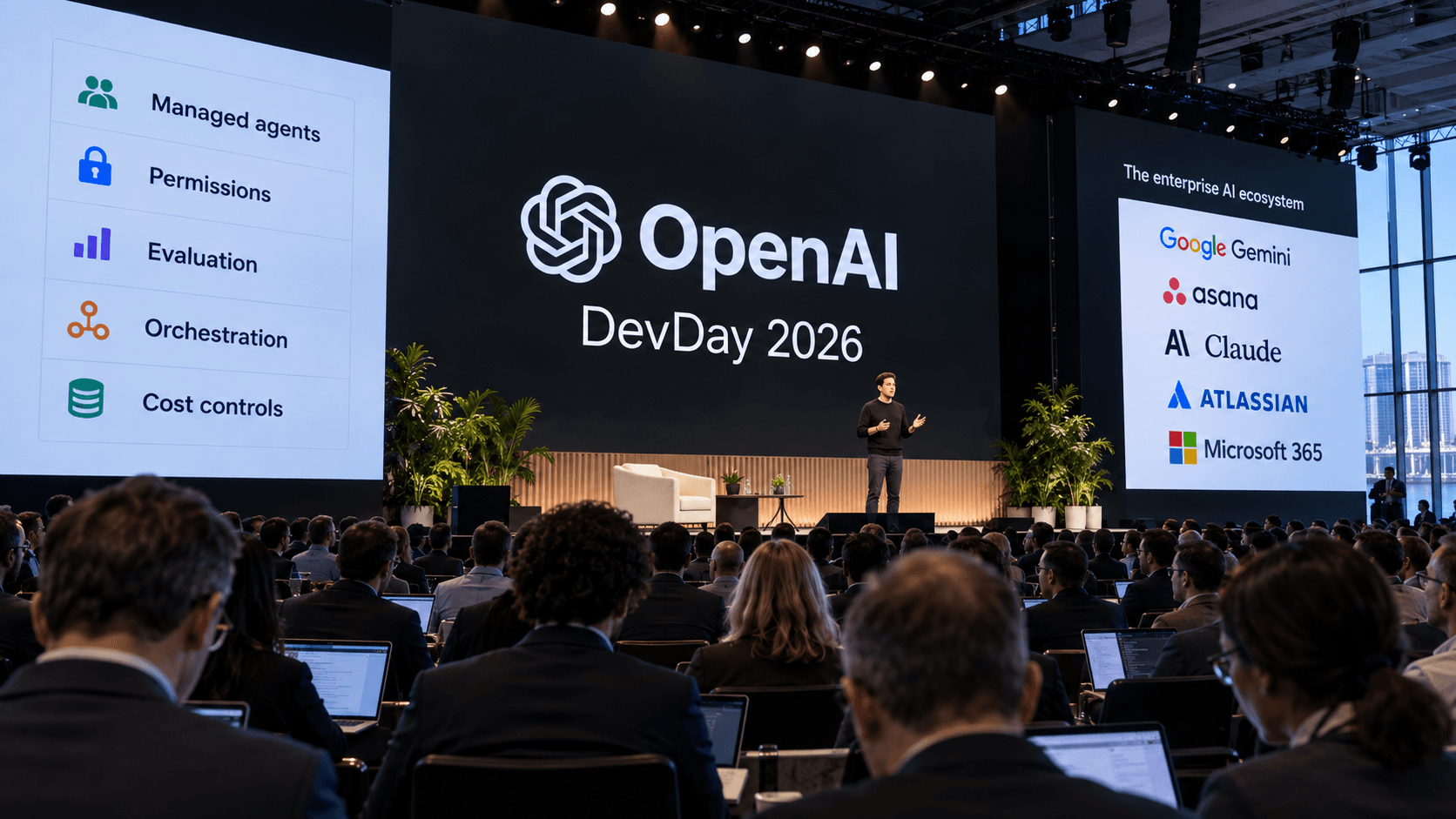
At DevDay, OpenAI demonstrated Team Tasks assembling weekly updates from project documents, tracking progress, blockers, and next steps. Reuters puts weekly Codex and ChatGPT Work usage above 35 million. Nobody knows how many scheduled reports depend on one model, which is pretty much the problem.
Changing the model name might be the easy part. In OpenAI's developer community, Corawz described testing the same work after switching:
“My code runs fine on 5.6; what does not survive the swap is a week of work fitting inside a week of allowance.”
One developer's bill isn't everyone's, but it's reason enough to test costs alongside accuracy and permissions.
A September preprint examining 22,555 migration commits estimated that 82% of migrations away from retired models happened after shutdown. That's open-source evidence rather than a survey of PMOs, but hardly reassuring.
So audit those dependencies and rerun the actual tasks. October 23 brings a separate API retirement batch, including older GPT-3.5 Turbo, GPT-4, and o-series models, so it’s worth preparing for that too. Apparently, project managers need a model-expiry column these days.
What Happens to Gemini Gems as Google Moves to Skills?
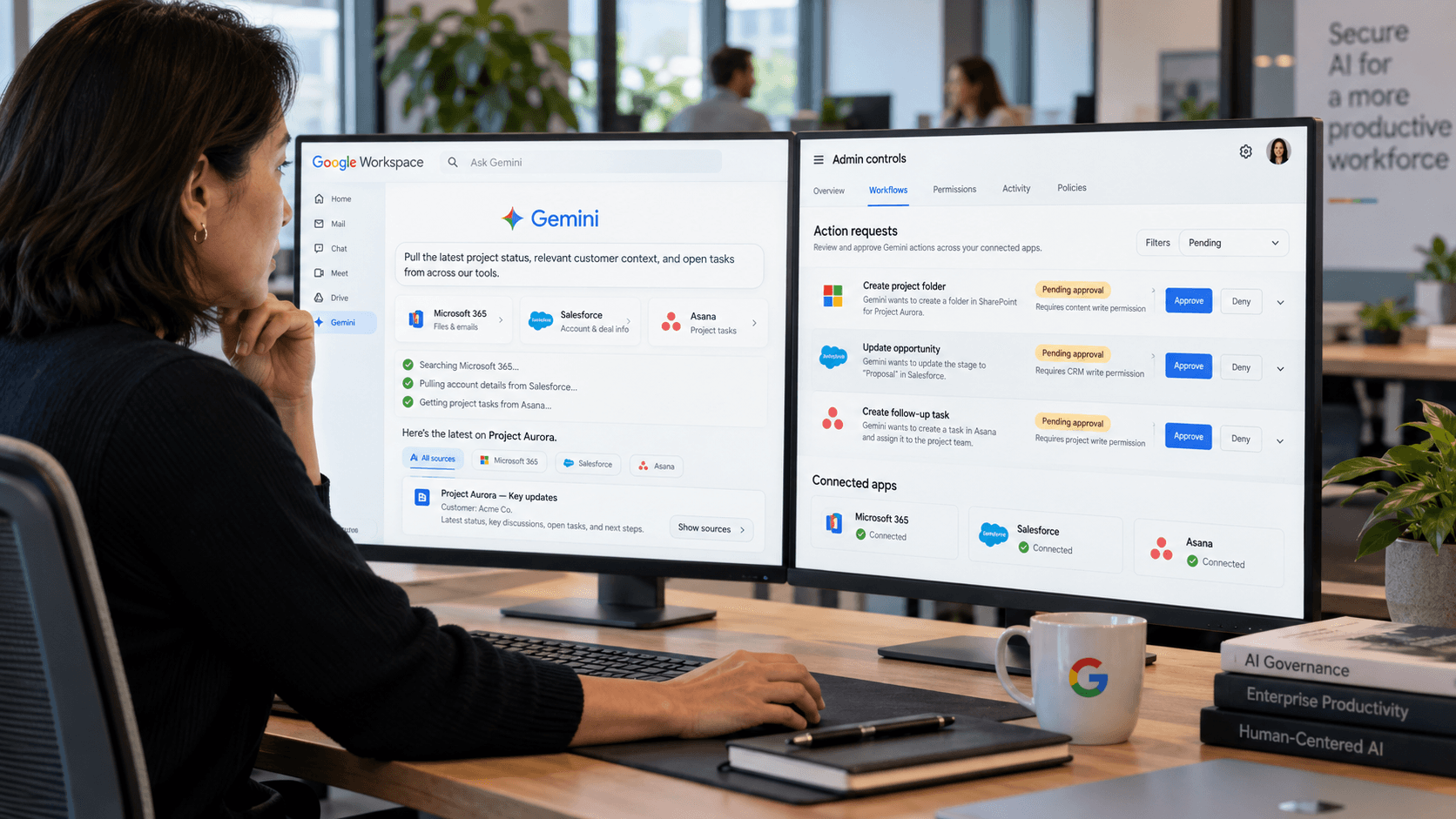
Google's October 8 announcement came with an ambitious promise: a universal Gemini agent that can get on with work across Workspace and connected apps, complete with model choice, access controls and spending oversight. It's in private preview for now, so I'd like to see what happens when an agent passes a project task between apps and someone asks who's responsible for it.
Meanwhile, Google is also rearranging the assistants people already use. Gems, its customizable helpers for repeatable tasks, are gradually making way for Skills. If you've built your project routines around Gems, there's some calendar admin coming.
The timing's already changed. On October 13, Google said Skills were starting to roll out in the Gemini app, but delayed the Workspace release until further notice. The old October 5 and October 19 Workspace milestones are out. Gems still move into Gemini's Settings panel on November 17, and Business and Enterprise users can keep creating and using them until no sooner than March 1, 2027
There's still homework, though. Existing Gems will eventually become draft Skills, but Skills created in the Gemini app won't automatically appear in Workspace. You'll need to recreate them there. Existing Workspace Studio flows using "Ask a Gem" also keep working, although Google has stopped people building new ones.
The migration timetable gives teams some breathing room. Skills also use the portable Markdown-based SKILL.md format, which should make moving instructions between tools easier.
I'd still check those recurring project workflows before celebrating. Nobody wants to discover their carefully configured assistant has taken the weekly status report with it.
Which Project Platform Shipped the Week’s Most Useful Update?
OpenAI wasn't quite finished after DevDay. On October 9, it gave Dots some more responsibilities: starting work in Codex, following existing threads and reviewing or editing Scheduled Tasks in ChatGPT Work.
That's a fairly interesting development for anyone managing recurring project work. The October 9 update also arrived just days before GPT-5.5's retirement. We've already covered OpenAI's growing task-management ambitions, but this makes the question of who maintains those automations harder to ignore.
Still, Atlassian might have the more convincing project-management story this week. At Team ’26 Europe, Atlassian made a decent case for giving agents a proper place on the project team.
Jira can already assign work to agents, delegate tasks in bulk, and track their activity. New capacity views and project-budgeting signals give managers more to work with, while the Agentic Multiplayer Protocol offers shared context and clearer permissions. Agent accounts and a non-human identity inventory are also coming.
Automation Consultants had one of the more convincing examples. Its PMO uses 12 agents across 11 client engagements and reports a 25% gain in delivery capacity, alongside three times the throughput. I liked the decision to keep agent state in files instead of conversation histories, making model changes easier. There's oversight, too. A supervising agent reviews findings, and people approve changes before they reach client systems.
Jose Ramirez, of Kaplan North America, made a strong claim too, saying its agents can:
“summarize a month’s worth of work across five different platforms in 10 seconds.”
Microsoft's September Planner update points in a similar direction, with Planner Agent creating tasks, assigning owners, and working across larger plans. It even has a model selector.
That's encouraging, since project managers have enough trouble keeping track of human colleagues without losing the history whenever an AI model changes.
What Did Workday Announce at Rising 2026?
Tuesday's keynote happily went beyond the somewhat vague promise of agents ‘doing real work’ with some actual answers about where those agents get their instructions, permissions, and approval trails. Before the event, Gerrit Kazmaier said:
“Everyone’s talking about AI agents, yet few successfully deploy them in the enterprise.”
Apparently, Workday is addressing that, and Kazmaier said at the keynote:
“Real AI transformation is about driving growth faster, better. That’s where you’re really winning.”
To achieve that “faster, better” growth, Workday made Sana the new Workday Home, putting tasks, decisions, approvals, and agent activity together. The Home experience is available now. Workday also wants Sana inside Claude, Gemini Enterprise, Copilot, Teams and Slack. Basic self-service already works on several of those platforms, but fuller Sana integrations are still being phased in, with Claude Cowork in early access and further releases targeted for late 2026.
More immediately, Agent Harness, Agent-Ready Tools and Custom Agents are generally available. Workday says agents built with other models or tools still follow its policies, permissions, and audit trails. CTO Gabe Monroy put the point rather better than another slide about autonomy:
“Headless can't mean lawless.”
The Talent Acquisition Agent's new autopilot is available to early adopters, with general availability planned for early 2027. Payroll, accounting, and deployment autopilots are still slated for early access next year. Workday says actions and approvals are logged. I'd still like to see a named customer show what happens when the process stalls and a person has to take the job back.
What Did Asana Announce at Work Innovation Summit 2026?
Asana heads into its October 14 summit with less room for vague promises than it had six months ago. September already brought 30-plus prebuilt AI Teammates, Service Management GA, Command by Asana, and Client Management GA. There’s customer proof too. Amsive says AI Teammates helped automate client onboarding and save roughly 3,800 hours a year. Its Digital Workplace and AI Enablement Lead, Adam Lozada, says AI is
“taking the lift and the burden off our teams.”
The direction isn’t new. When we first covered AI Studio, Asana was already trying to put AI across intake, planning, execution, and reporting, using Work Graph context to prioritize work, suggest timelines, plan resources, and assign people.
What’s changed is how much responsibility the AI is getting. September’s release notes say Dash and AI Teammates can now create and save automation rules, while admins can see which work items and attachments a Teammate can access. That makes the summit’s real test fairly simple: can Asana prove its agents improve the project around them, rather than just saving one employee a few minutes?
McKinsey’s October 5 research makes that question harder to dodge. Eighty percent of respondents report better individual productivity from AI, but only 37% report positive EBIT impact. Asana is promising fresh research and product news around the “agentic enterprise.”
What Should Project Teams Expect From Zoomtopia 2026?
Zoomtopia promises that “conversations become outcomes,” which sounds brilliant until someone asks where the outcome ended up. Is it sitting in Jira, who's responsible for it, and can anyone find the decision that started the whole thing?
We'll get a chance to ask next week. Zoomtopia runs virtually October 20 in the Americas, 21 in EMEA, and 22 across APAC and Japan, with dedicated Zoom Workplace and ZoomMate sessions. New York also gets an in-person event and investor session on October 20.
ZoomMate has some homework to show. Its September 21 update introduced admin-deployed workflows across teams or entire organizations, with controls over which actions and triggers people can use.
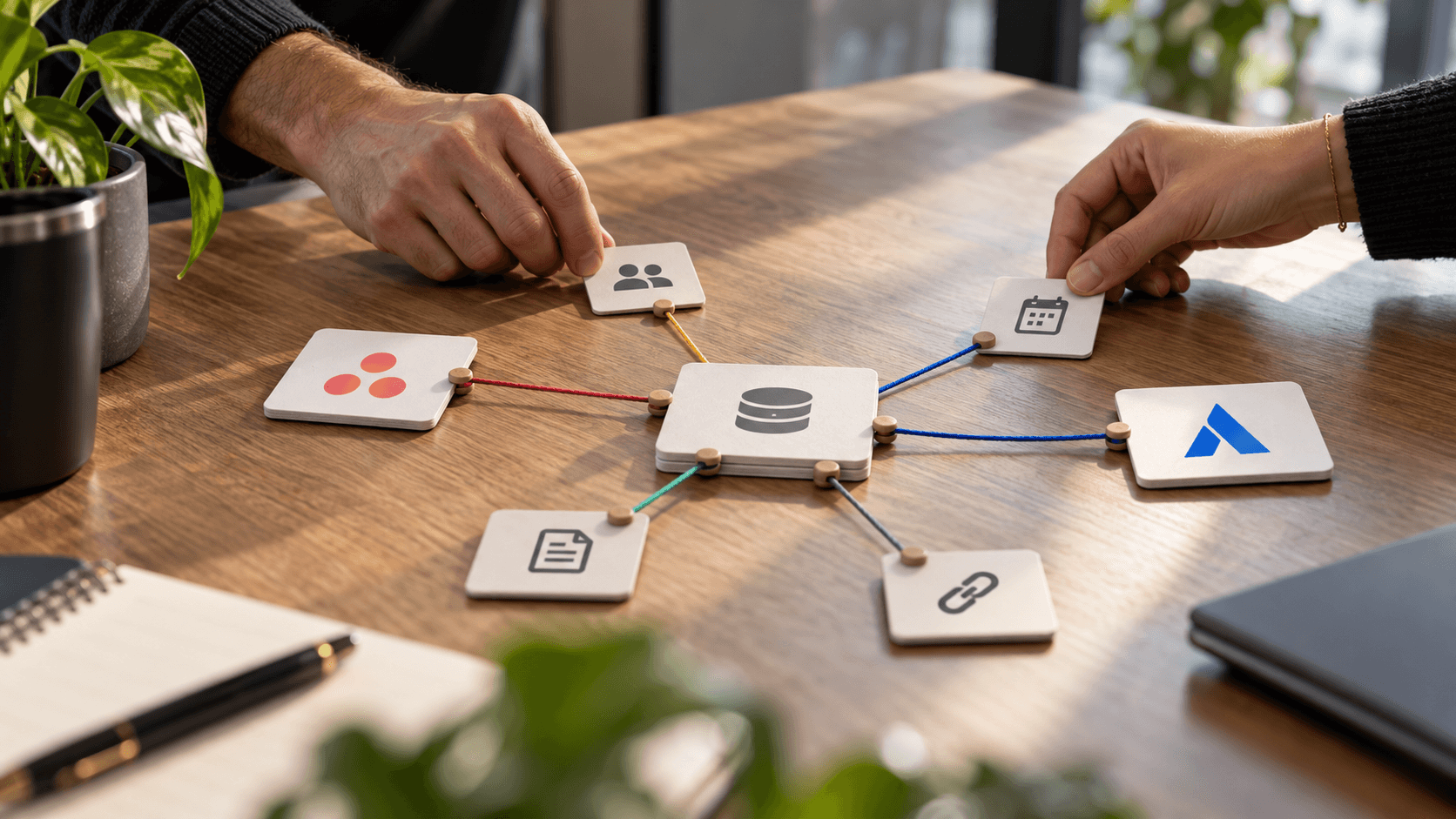
Zoom's workflows already connect Meetings, Chat, Docs, Tasks, and third-party systems. Creating another to-do isn't particularly impressive anymore. I'd rather know whether the original context follows that task into Jira, and who's responsible when an automated action goes wrong.
There's also a deadline to explain. We recently reported that native Zoom Rooms on supported Cisco devices slipped from September general availability to Q4. I'd like a firm date at Zoomtopia, although hopefully the hardware discussion won't distract from the project-management questions.
Competitors aren't waiting around. Slack can let assistants update Lists and records through MCP, while Smartsheet's Copilot Cowork can change live sheets with approval on each action.
The interesting competition now is over who can keep a project moving without losing the decisions that got it started.
In Other News
A couple of quick things to watch in the Beat this week:
-
Linear Makes Agent Work and Spend Easier to Audit: On October 8, Linear added live views of code changes during agent sessions, plus an AI-credit usage explorer and spending limits by workspace, user, or loop. Managers can see an agent taking a wrong turn before its work lands, and measure what the runs cost.
-
Wrike Gives Outside Agents a Place to Work: Wrike's October 7 Collaborate announcements included support for external agents, with role-based access, audit trails, and required human checks before certain work proceeds. The company also expanded its MCP server and portfolio-management capabilities. Its dedicated Project Manager Workmate is scheduled for a phased rollout later in 2026.
What to Watch
-
October 14: GPT-5.5 retires from ChatGPT, ChatGPT Work and Codex. Finish dependency checks across defaults, agents, scheduled tasks, and scripts.
-
October 20–22: Zoomtopia tests whether “conversations become outcomes” translates into clear task ownership, handoffs, and durable project records.
-
December 3: Atlassian’s extra-usage billing begins. Project teams need visibility into automation consumption before those workflows become a surprise cost.
That’s the AI model lifecycle story hiding underneath Retirement Week: project teams increasingly have to plan around retirement dates, usage limits, and the point when an AI feature becomes operationally expensive.
Migrating off GPT-5.5 the hard way, or dealing with an AI workflow retirement, pricing change, or project handoff problem of your own? Tell us what broke.
Talking Point: Who Owns the AI Retirement Plan?
Apparently, managing AI agents now means dealing with all the paperwork that comes with employees. Permissions, performance checks, budgets, and eventually, a retirement plan. Lucky project managers.
Wrike's October 7 update introduced tighter agent permissions and human approval checkpoints. Microsoft's Autopilot goes further, giving agents their own identity, memory, and workspace, with the ability to chase updates for days. Someone still has to supervise them, though.
Workday added the exit paperwork on October 13. Its planned acquisition of C1.ai is about managing access for people and agents, including revoking permissions when an agent is retired. The deal hasn't closed, but the question is already worth asking: who's keeping the leavers' list for the bots?
Then there's the expense claim. GitLab is tracking agent costs by task and model; Linear lets managers cap AI credits by workspace, user or automated loop. Atlassian starts charging for excess automation steps on December 3. An agent can keep a project moving while cheerfully spending its way through the budget.
The dates are another headache. Anthropic lists Claude Sonnet 4.5 as active, while Haiku 4.5's October 15 retirement date means “not sooner than,” not a confirmed switch-off. OpenAI's custom GPTs are slated for December 11, with approved Enterprise deferrals possible until February 11, 2027. Google's Skills have reached the Gemini app, but the Workspace rollout is delayed. Notion, at least, lets teams export reusable instructions.
Gartner predicts more than 40% of agentic AI projects will be canceled by the end of 2027. KPMG found just 26% of organizations had real-time visibility into AI operating costs.
If the agent has a deadline, a bill, and access to company systems, somebody ought to know how to retire it.
And here's a question for LinkedIn: if an agent owns recurring project work, who writes its retirement plan? IT, the PMO, or the vendor?
FAQs
Does the GPT-5.5 retirement affect the OpenAI API?
No. GPT-5.5's October 14 retirement applies to ChatGPT, ChatGPT Work, and Codex sessions authenticated through ChatGPT. It remains available through the OpenAI API, including Codex sessions using API keys. Teams should check their authentication method before making changes to existing workflows.
What should businesses check before GPT-5.5 retires?
Check workspace defaults, saved model choices, managed configurations, custom agents, scheduled tasks and scripts. Identify any workflow still selecting GPT-5.5, change it to an available model and test the output. Recurring project work needs a named owner for that check.
What Did Workday Announce at Rising 2026?
Workday announced Sana as its new Home experience and generally available Agent Harness, Agent-Ready Tools and Custom Agents. Cross-platform Sana integrations are rolling out in stages; its Talent Acquisition autopilot is in early access. Workday also announced plans to acquire C1.ai for agent identity and access governance.
When is Zoomtopia 2026?
Zoomtopia's virtual sessions run October 20 for the Americas, October 21 for EMEA, and October 22 for APAC/Japan. We'll be looking at what happens when work moves from Zoom into Jira or another project platform. Do the task owner, context, and approval records go with it?