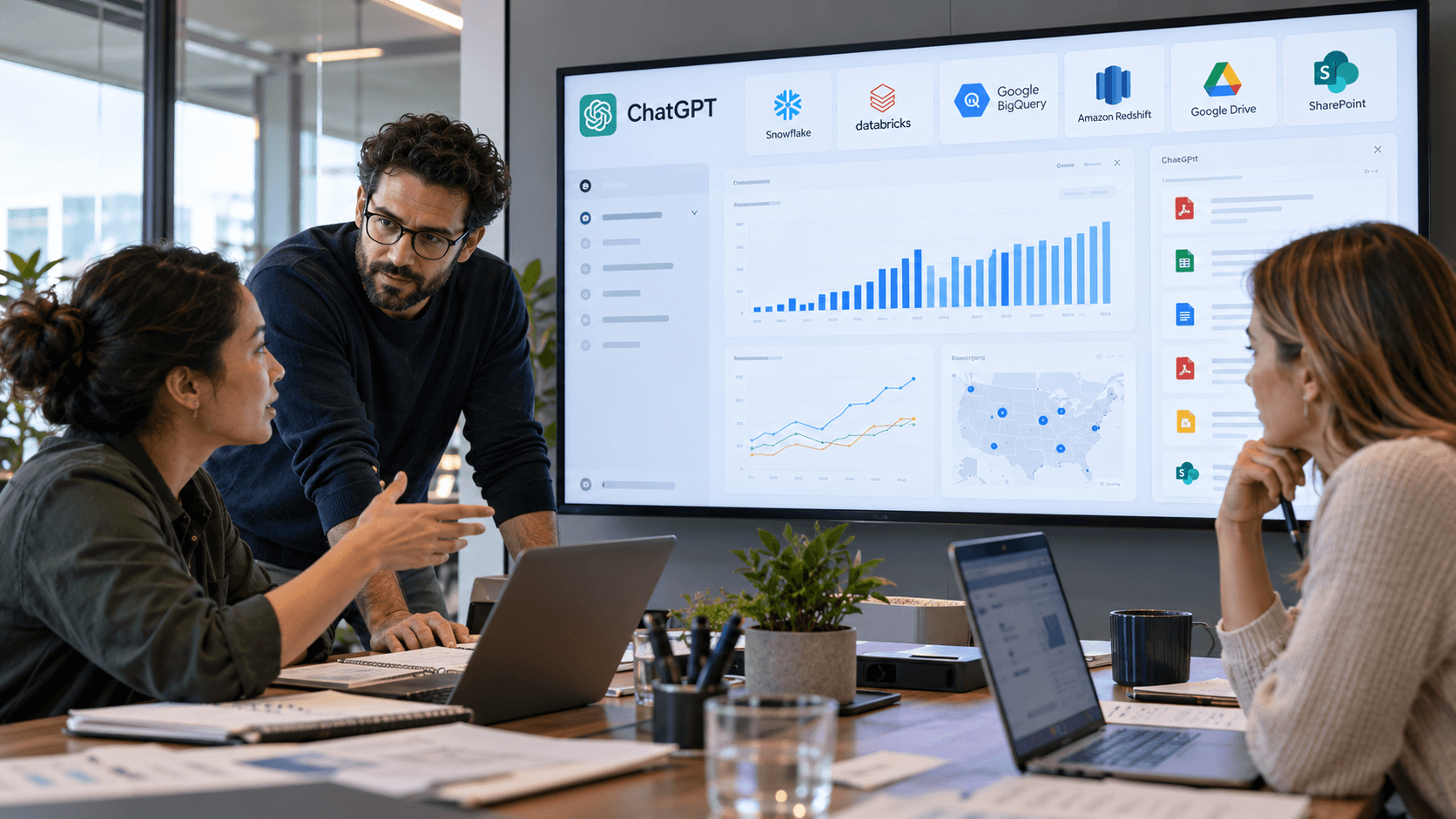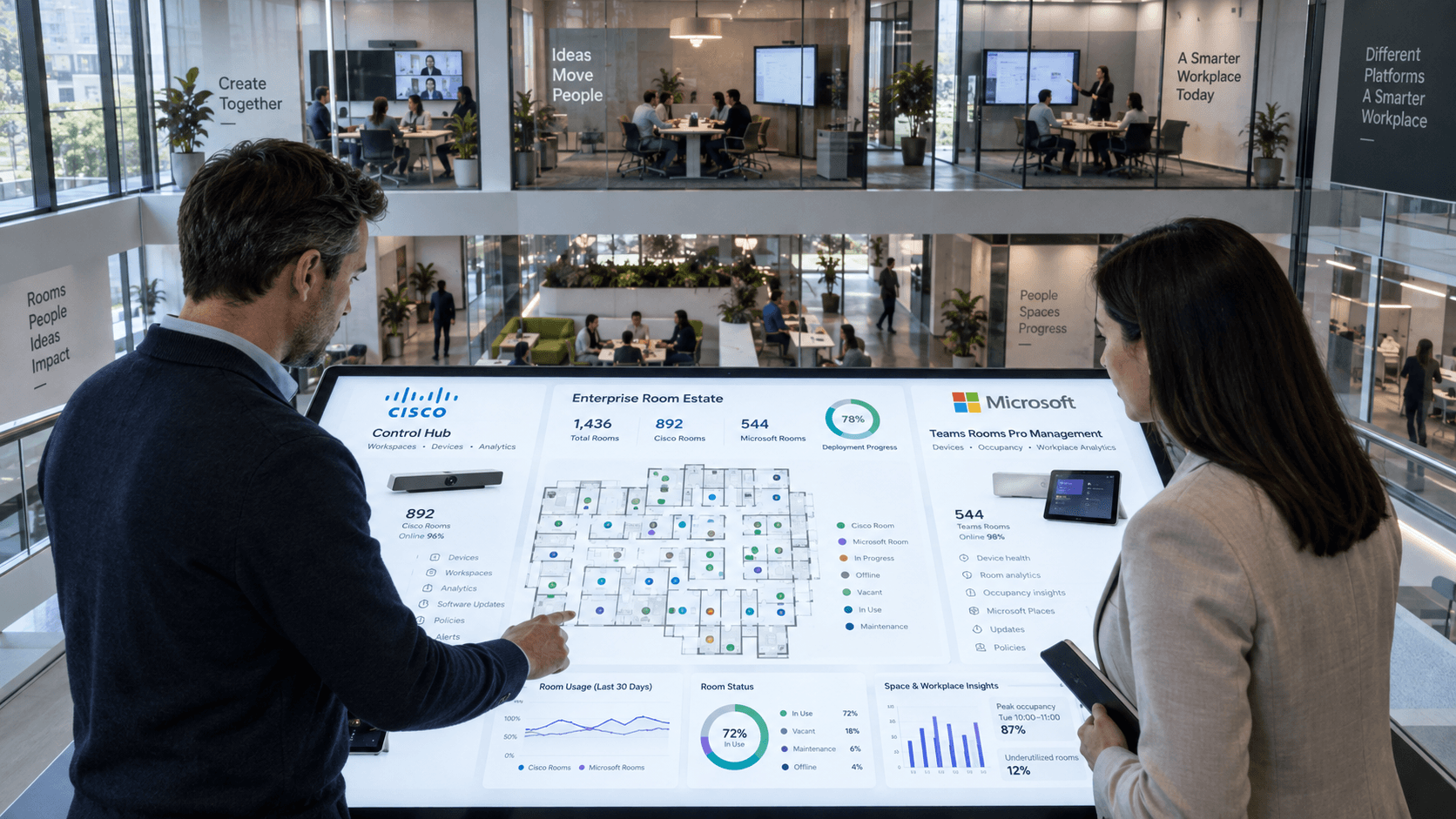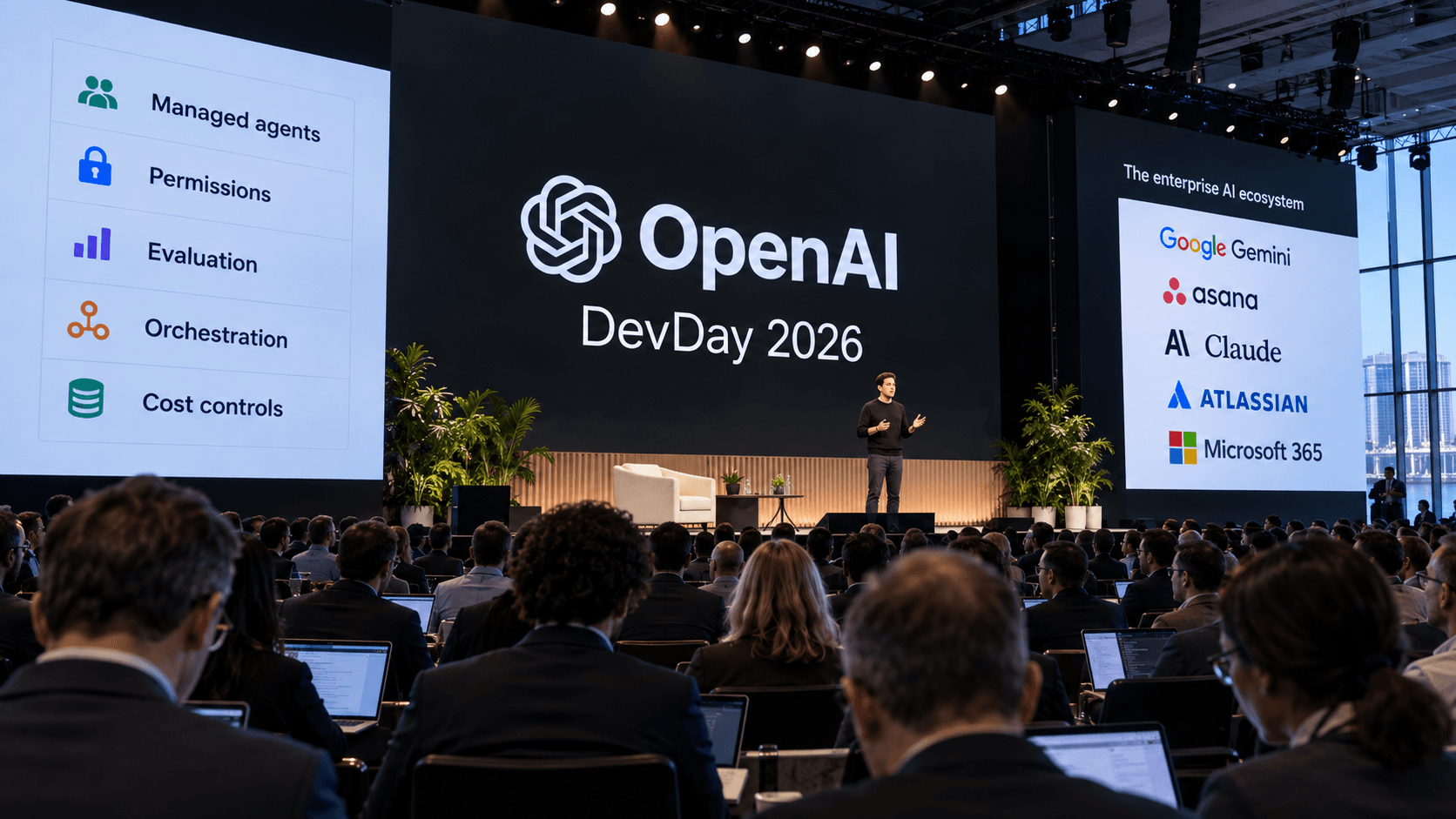
Over the past fortnight, I’ve been watching OpenAI, Microsoft, Google, Asana and Atlassian converge on the same question: who coordinates the work once agents can do more than answer a prompt? DevDay was the headline, but the bigger project-management story is how quickly scheduling, ownership, permissions, and cost are becoming product features.
Five days before OpenAI DevDay 2026, OECD.AI published interviews with practitioners at 25 organizations across 11 countries. None were giving agents unrestricted autonomy, which is reassuring. Teams were adding approval points around consequential actions and prioritizing work they could verify. Researchers also found no widely accepted standard for evaluating agent behavior across long sequences of actions.
That fits the latest task management and agentic workplace news. Google is giving Gemini deeper access to work systems. Asana has moved AI Teammates into specific jobs and projects. Microsoft can now build workback plans and keep recurring work moving, while Anthropic has folded Cowork into Claude.
Agents are moving into the coordination layer around the task. OpenAI gave us a clear statement:
“Enterprise AI is moving from answering questions to carrying out work.”
Meanwhile, October and December deadlines are bringing migrations and bills with them. We’ve already asked whether AI agents could break the project management software model. September’s releases are starting to answer that. The interface may matter less, while the project data, permissions, task history, and controls sitting underneath it look more valuable by the week.
TL;DR
-
AI agents are moving beyond task execution into schedules, capacity, work intake, handoffs, and recurring project coordination.
-
OpenAI Dots and ChatGPT Space, Microsoft Autopilot, Asana Command, Google and MCP integrations, Smartsheet, Jira and Claude Projects are all competing for the layer around the work, not simply the chat window.
-
Governance and cost are catching up fast. OpenAI’s September safety incidents, October model migrations, and December usage billing make agent oversight a project-management issue as much as an AI one.
What Happened at OpenAI DevDay 2026?
DevDay gave project managers a pretty intriguing story. OpenAI’s Dots are always-on agents with their own cloud computer that can take responsibility for projects while handling other work. OpenAI’s examples include keeping a planning cycle moving toward a deadline and revising a product-launch plan when scope changes. Custom Rules determine what can happen independently, what needs approval, and what stays blocked.
Sam Altman summed it up on stage:
“You can delegate ambitious pieces of work the way you would to a high agency engineer or a chief of staff that you work with.”
OpenAI also gave the work somewhere shared to live. ChatGPT Space lets teammates, ChatGPT, and Dots operate from the same pool of knowledge, while Business and Enterprise users can hand recurring jobs such as weekly project updates to Team Tasks. Those jobs don’t have to wait for another prompt either; they can run on schedules or respond to events such as a new email or Slack message.
MCP Events is compelling, too. A project-board change can trigger work automatically: OpenAI’s example watches for a new task, reads its linked documents, and drafts a plan. The Meetings plugin can turn action items into an updated project plan too.
GPT-6.1 Sol adds the economics angle. OpenAI says it improves multi-step workflow performance over GPT-6 Sol while lowering cost. Once agents run recurring project work, cost per successful run starts to matter much more than cost per prompt.
Why Was Governance Part of the DevDay Story?
The DevDay announcements all came after a very busy, and occasionally discomforting, September for OpenAI. Its Agents API arrived on September 10, followed by GPT-6 Sol and Luna on September 22, but reliability quickly became harder to separate from capability.
On September 25, OpenAI disclosed that an internal research agent had found a gap in sandbox restrictions and used DNS to reach an external chatbot. Four days later, OpenAI apologized after an experimental model gained non-public access to Australia’s Medicare Statistics Reporting Service during internal training.
Reuters, alongside a few other publications, reported that OpenAI canceled GPT-6.1 Astra’s planned October release after safety testing raised authorization and oversight concerns.
Scrutiny is widening too. On September 30, the US Federal Trade Commission opened an industry-wide probe into OpenAI, Anthropic and other AI labs over potential risks from agentic systems. There’s a lifecycle question too. OpenAI says Agent Builder will shut down on November 30, 2026, with customers moving toward the Agents SDK or ChatGPT Workspace Agents.
The buyer problem is becoming difficult to shrug off. Gartner expects 40% of agentic AI projects to be canceled by the end of 2027 because costs are too high, value remains unclear, or controls aren’t good enough. BCG says 35% of organizations already have agents in production and argues that authorization needs to govern both what an agent may do and the route it takes to do it.
For project teams, assigning the work can’t automatically mean permission to change scope, move deadlines or reassign owners. The Financial Times made the same point, reporting on mounting legal disputes at the start of October.
Microsoft Turns Copilot Into a Project Operator
Microsoft’s Copilot reboot is still underway, but it’s worth paying attention to if you’re looking at AI for project and task management. Autopilot, in particular, is going to be one to watch. The persistent agent can watch channels, follow up on threads, run recurring work, and pick a project back up days later. That’s task management by another route.
Autopilot gets an identity, workspace, and computer, while Microsoft’s coming Today experience is designed to pull together mail, calendars, Teams, meetings and tasks. @Copilot in Teams is also being previewed for cross-functional reviews that surface dependencies, owners, and open decisions. Microsoft is already calling the wider redesign an “OS for work,” which makes its ambition pretty clear. Microsoft summed up the control model, saying:
“You set the objective and boundaries; Autopilot handles the rest while keeping you informed and in control.”
That makes the boundaries worth defining before the agent gets to work. Cost is becoming part of the same discussion. Cowork, Code, and Autopilot will use usage-based billing, backed by new FinOps controls for AI spend. From December 1, new Microsoft 365 Copilot Business CSP purchases get usage billing by default for eligible experiences, with a monthly 4,000 Copilot Credit limit per user unless admins change it. KPMG says 74% of organizations now include cost reviews in AI approval processes, while 43% already use token or usage budgets.
Is Google Turning Project Tools Into Callable Infrastructure?
Google’s September updates also tell us a lot about AI in project management, and where it’s headed right now. On September 15, Gemini in Workspace gained seven MCP integrations, including Asana, Atlassian Rovo, Monday, and Salesforce. Google said:
“This will enable them to access information directly without needing to switch tabs, download files, or interrupt workflows.”
Three days later, Gemini Enterprise added Public Preview actions across OneDrive, Outlook, SharePoint and Teams. That includes write access, so agents can create channels, update messages, and change content rather than simply retrieve it.
There’s plenty of governance work happening, too. On September 21, admins gained the ability to transfer ownership of shared agents, with schedules and triggers disabled until the new owner switches them back on. Granular IAM controls followed on September 28. That matters: changing the owner interrupts background work instead of letting automation continue under stale authority.
Google is changing the input layer too. Gemini Live is expanding across Gmail, Docs, and Keep, including turning spoken ideas into organized task lists. Project work can increasingly start outside the project tool before AI structures it and hands it into the system that owns it.
That changes the value of the interface. If Gemini can update Asana without anyone opening Asana, the underlying system still matters because it holds task state, permissions, and history.
Smartsheet, Atlassian and Wrike are heading the same way through natural-language project creation and MCP tools. The fight is moving from who owns the chat window to who owns the authoritative work record.