powering productive workplaces
Front page
NewsWork Management1h · 09:01 BST · 12 min read

The Context Graph Fight: Who Owns Your Agent’s Memory?

Project-management vendors have years of task histories and decisions sitting in their systems; now they’re giving that information to AI agents. Now vendors entering the context graph fight have to prove they're handling permissions, accountability, and portability properly.

Context graph AI
Context graph AI

The first week of October gave project managers something more interesting than another AI assistant promising to tidy up their to-do lists. AI agents are getting dangerously close to running the work themselves. Now everyone wants to own the map they follow.

At Team ’26 Europe on October 6, Atlassian introduced its Agentic Multiplayer Protocol (AMP), designed to give agents identities, clear permissions, and reviewable actions. A day later, Wrike unveiled plans for autonomous project work backed by its Work Intelligence Graph. Chief Product Officer Alexey Korotich explained the problem:

“Most enterprise AI fails because it operates in a vacuum, generating content without understanding how work actually gets strategized, planned, and delivered.”

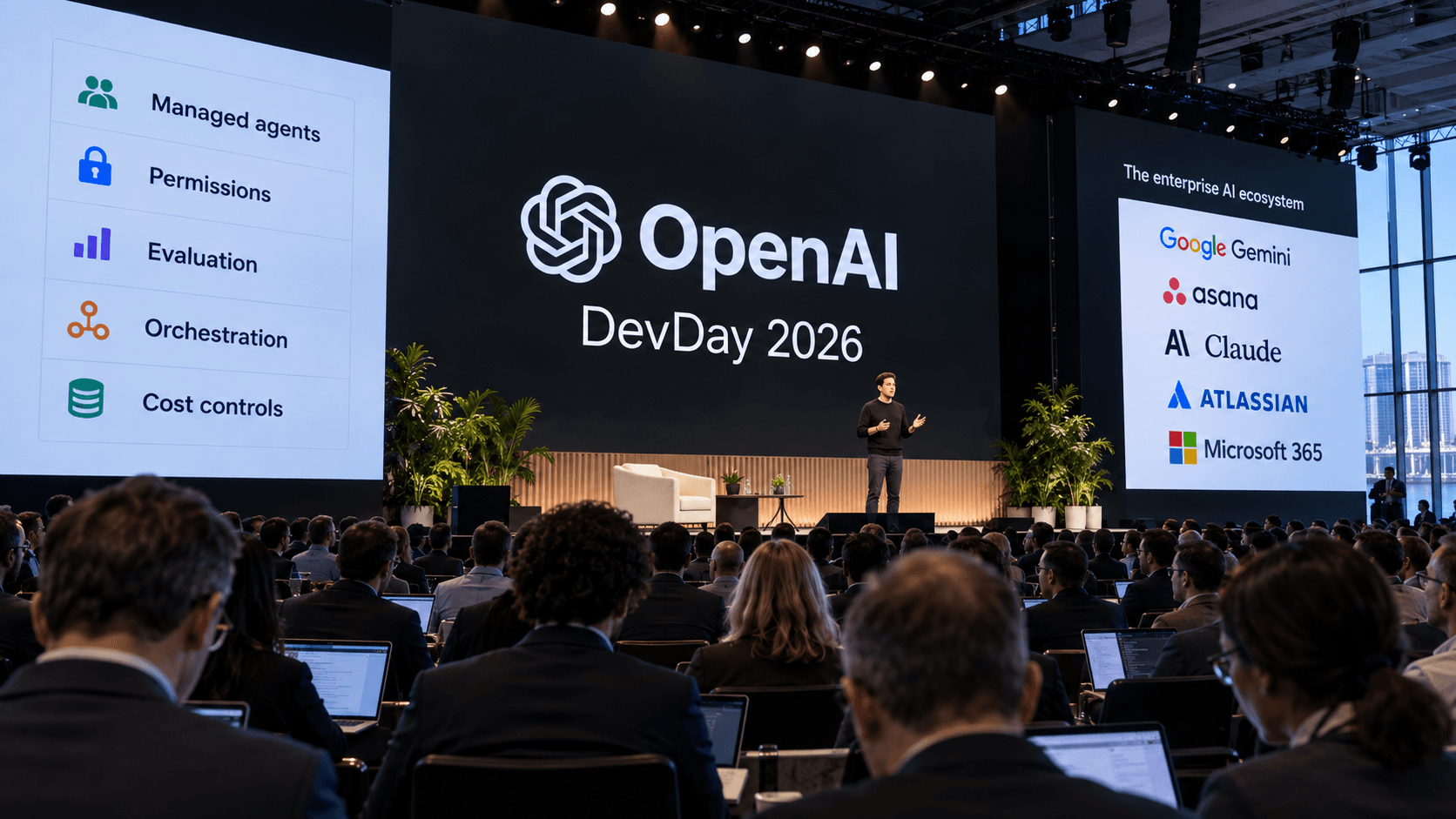
Google piled in on October 8 with a Gemini agent designed to coordinate work across business systems. It's still in private preview, so nobody should hand it the project plan and head home just yet. But with OpenAI's Dots and Space pursuing the same opportunity, things are definitely heating up.

Here's the question. If agents can work from ChatGPT, Slack, or Teams, who controls the project record underneath? Who owns the overdue task, which deadlines depend on it, and who approved the agent's changes?

SAP seems interested in that answer too. On October 6, it agreed to acquire TechWolf and its "context graph for work."

Meanwhile, Gartner's October 5 Collaborative Work Management research now evaluates agentic AI alongside planning and governance. Seems like the industry's getting serious about AI managing actual projects.

Suddenly, those boring old task boards look rather valuable.

Why Are Work Context Graphs Suddenly So Important for AI Agents?

You can stare at a Jira ticket for ten minutes and still have no idea why its deadline changed. Someone agreed to move a launch in Tuesday's meeting, the decision never made it into the ticket, and now three teams are working to different dates. Ask an AI agent to sort out the plan, and you might just get the confusion reorganized for you.

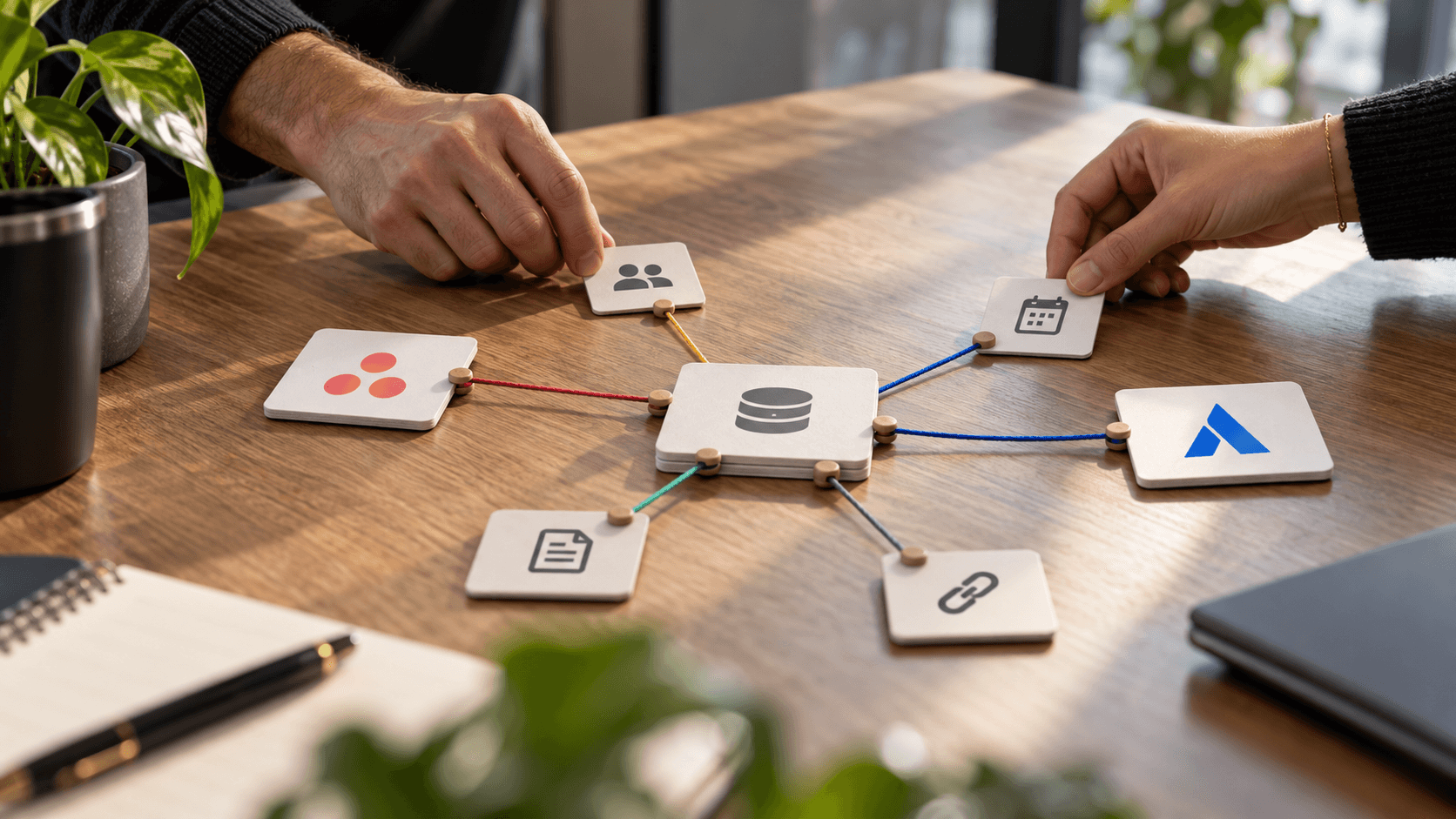
Hence the growing value of work context graphs. They connect tasks to their owners, dependencies, and decision history. Gartner's September 15 research suggests that context could help agents make fewer mistakes.

At Team ’26 Europe, Atlassian CEO Mike Cannon-Brookes put it this way:

“What won’t change are the fundamentals of great teamwork. Shared context, clear ownership, and end-to-end visibility.”

Atlassian says its Teamwork Graph contains over 250 billion connections. In internal tests, agents answered questions up to 44% more accurately while using 48% fewer tokens. I'd rather see what happens when an agent discovers that moving a launch leaves the testing team with two days' work and one day to do it. There’s also the Atlassian expanded MCP offering that includes over 220 tools and reportedly handles 15 million calls daily. That's considerable access to live projects.

Right now, the Tempo 2026 survey is saying that 91% of 300 senior project and portfolio leaders were using or piloting AI, yet just 33% were delegating delivery work. Attribution problems affected 55% of teams without production agents, compared with 16% using them.

Glean's 2026 Work AI Index adds another frustration: workers reported spending 6.4 hours weekly supplying missing context and fixing AI mistakes. That's nearly a working day spent explaining things to your new assistant. No wonder context graphs are gaining attention.

How Do Asana’s Work Graph and Atlassian’s Teamwork Graph Compare?

Asana's Work Graph gives employees and AI Teammates a shared understanding of projects. Atlassian is making Teamwork Graph available as a context source for Rovo and external agents to query. The difference comes down to how each company expects agents to use its platform, including whether those agents operate inside the product or draw on its information from elsewhere.

A small October 8 update brought more impact to the context story. Asana can now roll subtask dates up into a parent task, but the action is manual and can wipe out planned buffer time. Anyone who's watched a carefully arranged project schedule unravel over one innocent date change will appreciate the problem.

Atlassian's approach is a little different. Its expanded MCP server and CLI let outside assistants work across Jira and Confluence, using Teamwork Graph for context. AMP introduces clearer attribution and scoped permissions, although dedicated agent accounts and a complete identity inventory are still coming. Both vendors support external AI connections, but Atlassian is pushing harder to make its graph useful wherever agents operate.

Elsewhere, monday.com has its boards and cross-board relationships, Linear Loops responds to project changes, and Notion and Adobe Workfront are opening live work to outside agents.

Atlassian's October updates also bring Jira capacity and budget signals, portfolio staffing scenarios, and agent-drafted progress reports requiring human approval.

Personally, I'd be more interested in whether an agent can tell me that moving Friday's deadline will wreck next month's launch. Knowing everything about a task is marvelous; it’s better to know what happens when someone changes it.

Can ChatGPT Space Replace Asana, Jira or monday.com?

There's something very appealing about telling an AI agent to sort out a project and having it actually get on with it, especially when the alternative is another meeting about why nobody's updated Jira.

OpenAI has spent September giving agents more responsibility. Team Tasks can handle recurring project updates, tracking progress, blockers, and next steps as part of the workspace-agent approach we've been following. There's a practical complication, though. Retiring the model behind a workflow won't make Monday's reporting deadline disappear.

Space has shared Pages, configurable permissions, Activity View, and approval rules. Unfortunately, automatic Page updates through “Keep updated” aren't available at launch. That's a bit of a tricky limitation for something promising to keep up with moving projects.

I wouldn't cancel the Jira licenses just yet.

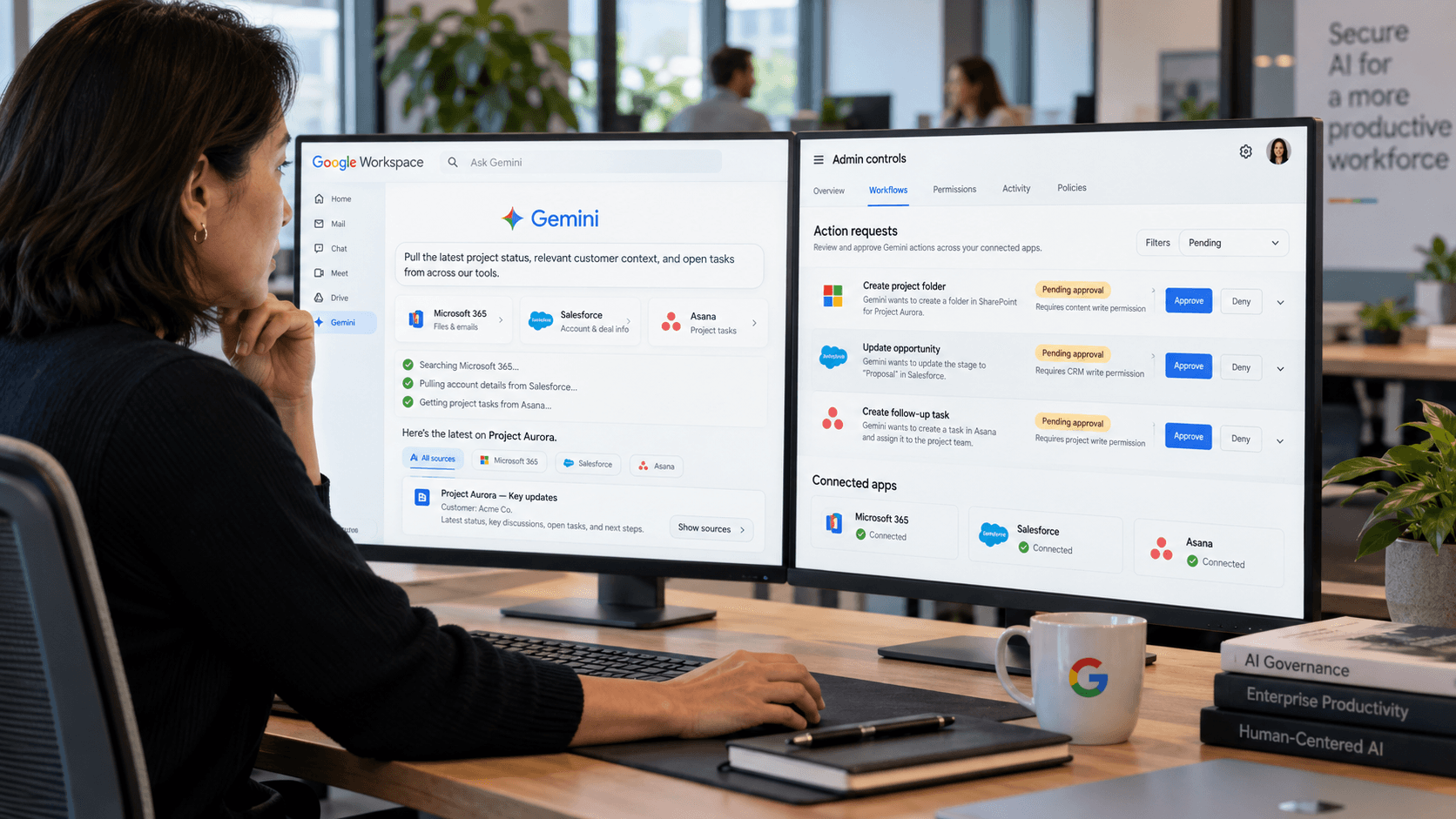
Google's October 8 Gemini agent promises persistent context and dedicated identities across applications, although it's still in private preview. Meta's new Muse integrations also bring Asana and Notion into another assistant's reach. Meanwhile, Atlassian's OpenAI partnership shows the supposed rivals are happy to work together.

Space is available on Pro, Business and Enterprise, with Dots more restricted, including an Enterprise beta.

My suspicion? We'll increasingly ask agents to manage work from whichever app we're already using. But when a launch goes wrong, someone will still need to explain the missed dependencies and questionable decisions.

And I suspect that someone will be opening Jira or Asana. It's the Slack and Salesforce situation all over again.

What Should Buyers Ask Before Trusting AI Agent Context?

As AI governance concerns continue to fester, there’s a lot to consider here. I'd like to see an agent tackle a project that's already going wrong, since, let’s be honest, that happens pretty regularly. Move a launch forward two weeks, throw in an unavailable developer, and see whether it notices the trouble you've just caused.

Here are five questions I'd ask before giving it access to anything important.

1. What does the agent actually know?

Your graph might contain thousands of connections and still miss Friday's conversation with the sponsor. PMI made that point: project managers often sense changing priorities before they're documented. Ask how quickly the graph catches up, and what happens when records disagree.

2. What's a useful result going to cost?
monday.com's pricing depends on the AI capability, while Linear added spending limits for users, workspaces, and Loops in October. I'd want to know what a completed project update costs, including all the checking and corrections afterward.

3. Whose permissions is it using?

Monday lets creators restrict board access. Asana recently changed its automation rules to follow their owner's current permissions, although AI Studio and some rules are excluded. What happens when someone's access changes halfway through a project?

4. Can you untangle a bad decision?

Monday records agent actions and failures. Neo4j describes more detailed "decision traces." Fine, but can you work backward from a wrongly moved deadline, find the approval, and put everything back?

5. What happens when you leave?

Ask for an actual export. Task lists are easy enough. I'd like the dependencies, approvals, and agent history too. Otherwise, someone gets the miserable job of reconstructing six months of project decisions from a spreadsheet.

Do Context Graphs Create Lock-In, or Does MCP Make Them Portable?

Context graph lock-in could be the next big concern for companies choosing project-management tools with a focus on interoperability. The word “portable” can mean several different things.

Say you’ve spent five years running projects in Jira, then decide to move everything elsewhere. Exporting the tasks should be straightforward enough. Recovering approvals hidden in old comments, dependencies nobody documented properly, and decisions made by AI agents could be much harder. How much of your project history would actually survive the move?

MCP helps with access. As we covered in our Gemini/MCP analysis, Google connected Gemini to Asana, Atlassian Rovo, and monday.com. RingCentral's Kira Makagon explained:

“MCP makes that interaction context available directly in the LLMs that businesses already use.”

Still, connecting to someone's project history and taking it with you are two very different propositions.

Notion lets users download reusable SKILL.md files for external assistants, encouraging them to “Take your skills with you.” ClickUp offers clonable Super Agents and templates. Neither solves the problem of moving years of project decisions.

Smartsheet allows outside agents to update live work, while Atlassian has expanded its MCP capabilities. Direct access to Teamwork Graph relationships remains in Preview.

Glean and Microsoft's Work IQ offer another approach, piecing together work context across applications. That might capture decisions missing from Jira, although reconstructed context still needs checking against what people actually approved.

I'd like to see a vendor demonstrate a migration involving a thoroughly messy project, complete with disputed decisions and half-forgotten dependencies. Moving a tidy task list proves very little.

MCP might let you choose your AI assistant. I'm considerably less convinced it'll make changing your project platform painless.

Who Owns the Future of AI Project Management: AI Labs or Work Platforms?

Back in April, we wondered whether AI agents could break the project-management software model. Six months later, I'm less convinced anyone's about to throw out their project-management subscriptions.

Look at Smartsheet. Outside agents can update live projects, and Microsoft Copilot Cowork can now edit sheets and reports, with approval required for each change. Smartsheet says nearly one in three AI actions involves creating or changing actual work. That's encouraging, although I'd like to know how many of those changes someone had to fix afterward.

Adobe's getting involved too. Its October 15 Workfront release is scheduled to let agents built with OpenAI or IBM tools work on tasks and issues using attached documents for context. MCP access will depend on product entitlements, while its separately phased Coworker rollout starts with read-only access by default. You can bring your own agent, but Adobe still decides which doors it can open.

Wrike has similar ambitions. Its upcoming Project Manager Workmate promises to build plans, suggest resource allocations, and investigate delays using critical paths and project baselines. I'd particularly like to see that last capability tested on a project where the original schedule was hopelessly optimistic.

For all the talk of agentic work management, I suspect the labs have a problem. ChatGPT might become everyone's favorite place to ask for work to be done, but Asana, Wrike and Jira still know who was supposed to do it.

Where Does This Leave the Work Context Graph Battle?

Every project has two versions of its history. There's the one recorded in Jira or Asana, with its neat little trail of assignments and deadlines. Then there's everything people agreed in Teams calls, changed their minds about over lunch, or forgot to document because they were trying to get the actual work finished.

I’m interested to see how well the new generation of agents handles that second version.

Asana and Atlassian have an advantage here. They've spent years collecting the details of how projects are planned, assigned, and changed. OpenAI and Google can put agents in front of those records, while Glean and Microsoft are trying to piece together decisions scattered across other applications. There's room for an argument about who understands the work best.

Personally, I'd put less faith in the number of connections a vendor claims its graph contains. I'd want to know what happens when two records disagree, or when an agent finds an approval from July that someone already overturned last Thursday.

Does it ask the project manager? Carry on regardless? Leave enough evidence for someone to work out what went wrong afterward?

October has given us plenty of impressive announcements about agents getting access to more project information. I'm still waiting for a convincing demonstration of one dealing with the kind of half-documented, frequently revised project most of us actually work on.

Preferably without making the project manager spend Monday morning putting everything back.

FAQs

What Is a Work Context Graph?

A work context graph connects tasks, people, goals, decisions, dependencies, and project history so an agent can understand how work fits together. That matters once an agent starts changing live projects, because isolated documents rarely explain ownership, sequencing, or why a previous decision was made.

Do AI Agents Need a Context Graph?

For simple question answering, no. For serious project work, AI agent context becomes much more important. Agents need current ownership, permission boundaries, and relationship data before they start updating plans or triggering workflows. That’s the problem Asana, Atlassian, monday.com, and others are trying to solve.

How Does Asana Work Graph vs Atlassian Teamwork Graph Compare?

Asana uses its Work Graph as the shared work model for employees and AI Teammates. Atlassian is pushing Teamwork Graph further as a context source that Rovo and outside agents can query. The difference changes whether the platform wants to own the agent experience or supply the intelligence underneath it.

Do Context Graphs Create Vendor Lock-In?

They can. Context graph lock-in gets deeper when valuable relationships, organizational history, and learned agent memory stay inside one platform. MCP helps outside agents reach that information, but access and portability are different things. Easier connectivity doesn’t automatically make years of structured work transferable.

rate this story
helps rank stories across uc today
The discussion0 takes · attributed & checked

Does this reflect your experience?

opening the room…
Read nextordered by techtelligence · every pick explained
picked for this story

Google Just Wired Gemini Into Everyone Else's Stack

8 Oct 2026
picked for this storyNotion AI Project Management: Custom Agents and Productivity1 Oct 2026picked for this storyOpenAI DevDay 2026 and the Agent Race in Task Management7 Oct 2026