Meta has a problem. It wants AI-powered glasses to become everyday technology, but not everyone is comfortable sitting across a meeting table from someone with a discreet camera on their face.
The uncomfortable label “pervert glasses” has emerged amid concerns that camera-equipped smart glasses can be used to film people without their consent. Meanwhile, a Dutch retailer has suspended sales over privacy concerns.
That's hardly the reputation you want when trying to establish the next major computing platform.
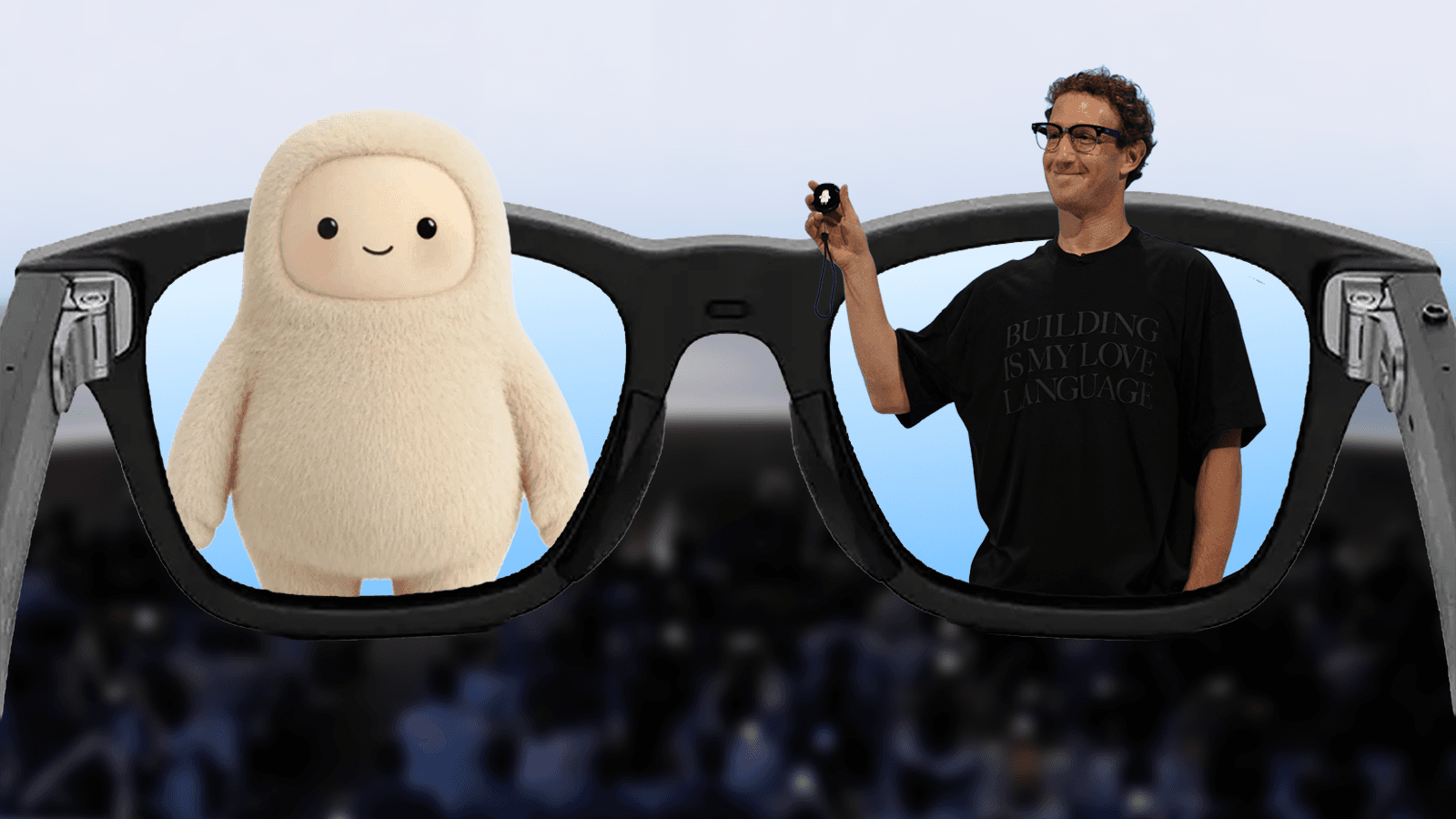
So I find Meta's latest move fascinating. At Meta Connect in September, it unveiled Ray-Ban Meta Audio: glasses with no camera and no display, but with open-ear audio, microphones and AI access. Starting at $349, they are scheduled to ship October 13.
At first glance, removing features sounds like a downgrade. Through a workplace lens, I wonder if it makes them a better product.
Sometimes Less Technology Is More
Most knowledge workers don't need cameras strapped to their faces. They need simpler ways to manage information, communicate and move between tasks without constantly reaching for another screen.
And some users were asking for camera-free glasses well before the announcement. In a May Reddit discussion, one person wrote:
“I really wish Ray-Ban Meta would release a version focused purely on work and everyday use without cameras.”
After the launch, another Reddit participant explained that they worked somewhere cameras were forbidden and welcomed the prospect of wearing smart glasses without having to swap their prescription frames. That's one anecdote, not a market study. But it captures an interesting product-design paradox.
Sometimes the feature manufacturers are most excited about is the feature preventing adoption.
Perhaps Glasses Are More Socially Acceptable Than Earbuds
There is another argument that has been largely overlooked: the social signal our devices send.
Walk into a meeting wearing earbuds and people might reasonably assume you're listening to something else, taking a call or not entirely engaged. Even transparency modes don't necessarily change that impression.
Glasses are different. They're familiar, fashionable and already embedded in our personal and professional lives. A stylish pair of frames doesn't automatically announce that our attention is somewhere else.
And open-ear audio means you can potentially stay aware of colleagues and your surroundings while accessing information discreetly. For the right task, that feels more natural than putting something in your ears.
Of course, discreet technology creates its own etiquette problems. The person across from you may have no idea when you're receiving AI advice. But I can imagine glasses becoming a more socially acceptable interface than earbuds in some offices and customer-facing roles.
The most successful personal AI device may be the one people barely notice you're wearing.
From Chatbots to Personal AI Agents
The hardware is only half the story. Meta is also developing Muse, a personal AI agent intended to help users organize priorities, connect applications and complete tasks. At Connect, Meta described its strategy as building personal AI agents alongside devices that make them accessible throughout the day.
That's where this becomes interesting for enterprise communications.
Imagine walking to your next meeting and asking your glasses what changed on an account, which decisions remain outstanding or what your team agreed last week. Instead of hunting through messages and applications, you receive a brief spoken summary.