powering productive workplaces
Front page
NewsWorkspace Tech1h · 12:01 BST · 4 min read

Meta Connect Puts Workplace XR Adoption to the Test

Meta’s new VR Glasses and AI-glasses updates led a week in which Google brought enterprise management to XR devices, Vuzix expanded its frontline smart-glasses channel, and the XR Association set out lessons for scaling immersive learning beyond pilot programmes

Meta glasses

Meta Connect has put the XR industry's workplace ambitions back into focus.

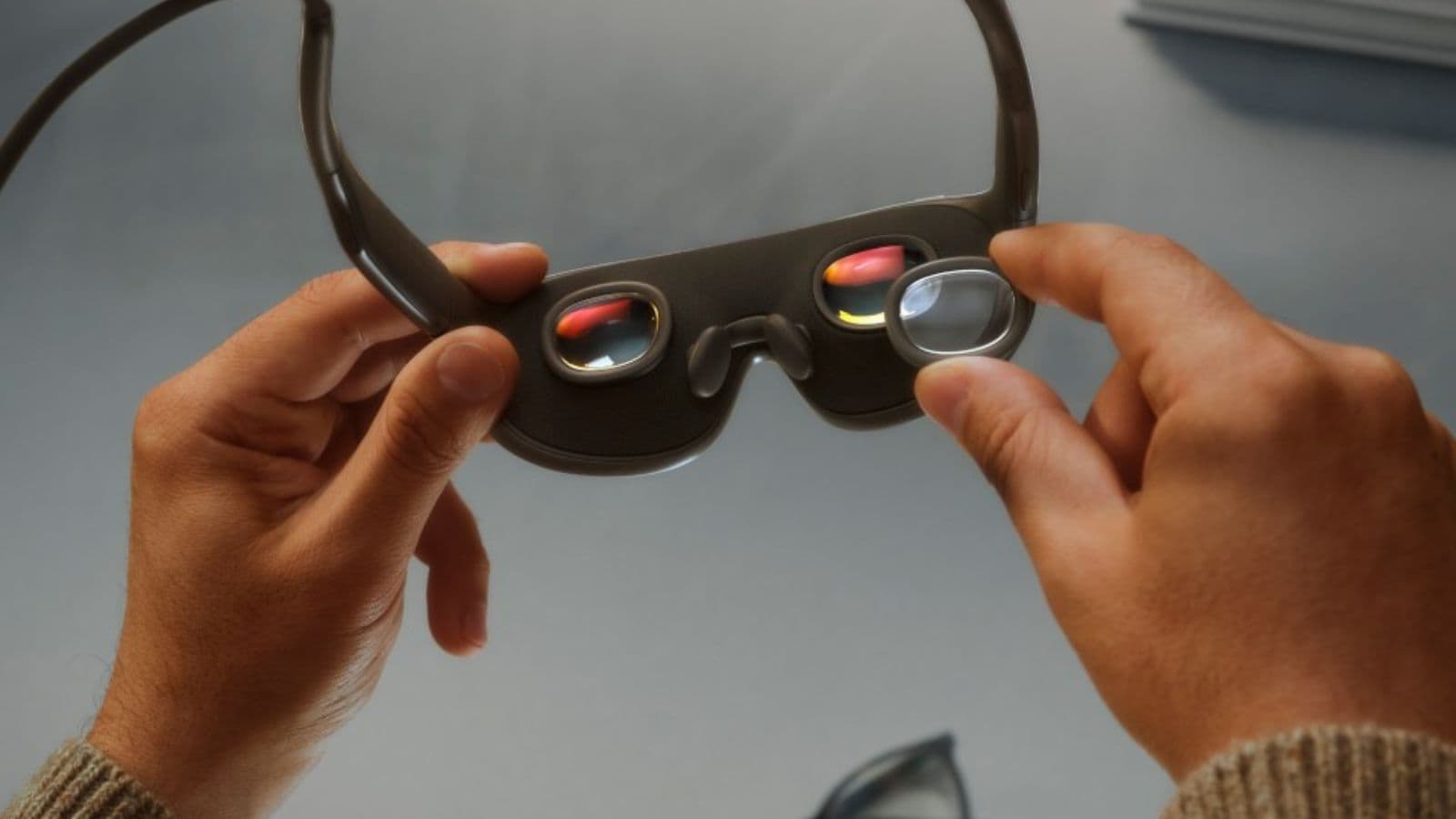
The company unveiled its new VR Glasses, a 100-gram device that combines a glasses-style form factor with the immersive display, passthrough and input capabilities traditionally associated with headsets.

The glasses are scheduled to go on sale in spring 2027 for $1,299.99. The device uses a two-part design. The glasses contain displays and sensors, while a separate unit holds the compute, battery and storage, connecting through an optical tether.

They have a 5K Infinite Display built on micro-OLED panels, full-colour passthrough, eye tracking, hand controls, Meta AI voice input and up to three hours of continuous high-resolution media playback.

CEO Mark Zuckerberg said the company had created "a new kind of VR device" that delivers immersion, high-resolution displays and views of the real world "in a form factor that is a pair of glasses for the first time".

The product is being pitched first as an entertainment device for films, games and live sport. But the company also described it as a private multi-screen workspace, with users able to turn a table or desk into a surface keyboard and touchpad.

The lighter design may make spatial computing more viable for individual work while travelling or working away from a desk. Yet the tethered compute unit, price and consumer-first proposition mean enterprises will need to establish a specific use case before treating the device as a standard workplace endpoint.

Alongside VR Glasses, Meta announced updates to Meta Ray-Ban Display, including calendar controls, the ability to join meetings from the glasses and Hologram, a feature that creates a photorealistic digital representation of the user for hands-free video calls.

Google Brings Enterprise Management to XR

Google announced on 23 September that Android Enterprise will support the management of XR hardware alongside standard Android device fleets.

The update enables IT administrators to manage and secure devices including Samsung Galaxy XR headsets and XREAL Aura wired glasses through enterprise mobility management consoles using the Android Management API. Google said XREAL Aura is due in the fourth quarter.

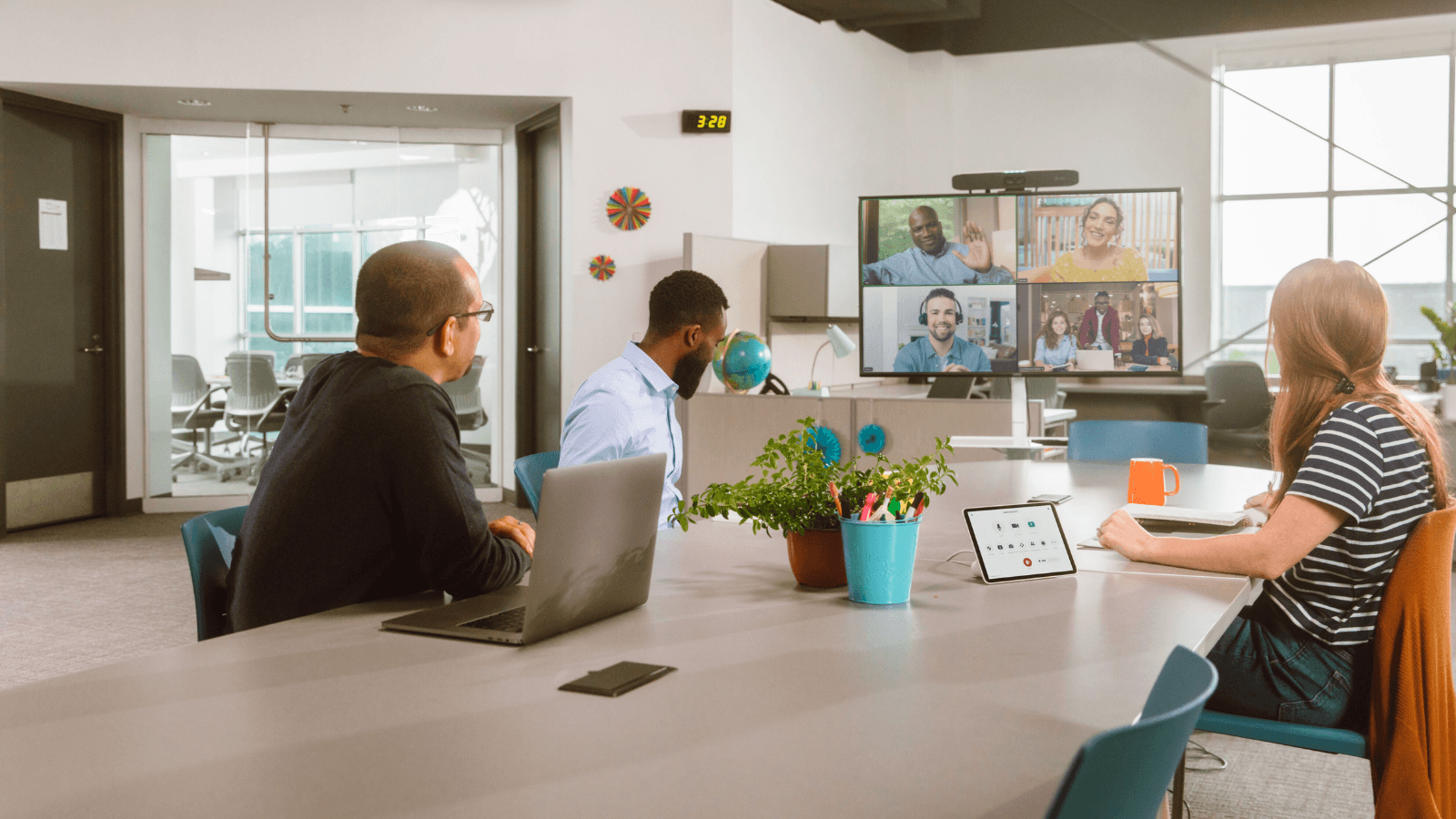
The move addresses a practical barrier to workplace XR adoption. Organisations may see value in heads-up displays, integrated audio and AI assistance, but they still need the same policy control, security and lifecycle management they expect for phones, tablets and laptops.

"Modern workplaces need both innovation and security. Employees need access to the best hardware and software, and IT needs to keep company data safe," said James Nugent, Google Android Enterprise Group Product Manager.

Google said administrators will be able to manage diverse XR devices alongside mobile fleets, while work-profile boundaries and management policies remain in place.

Vuzix Expands Frontline Deployment Support

Vuzix also made a workplace-focused announcement on 23 September, signing a distribution agreement with CommsPlus Distribution covering Australia, New Zealand and selected Pacific markets.

CommsPlus will provide distribution, technical enablement, partner recruitment and proof-of-concept support for Vuzix's AI-powered smart glasses, including the M400 and LX1.

The companies said they will work with software developers, systems integrators and AI providers to connect the hardware with sector-specific applications. Initial sectors include mining, logistics, healthcare, utilities, field services, manufacturing and electrical contracting.

Vuzix said it had received and shipped against an initial six-figure smart-glasses order.

"By combining Vuzix's industry-leading smart glasses with AI-driven applications, specialist software partners and our value-added distribution model, we're enabling organizations to improve productivity, worker safety and operational efficiency across frontline industries," said Paul Bailye, Group Managing Director of CommsPlus Distribution.

XR Learning Needs a Route Beyond the Pilot

On 22 September, the XR Association published a report examining how higher-education institutions can move immersive learning from isolated pilots to sustainable, institution-wide use.

The report drew on a Wyoming initiative that delivered 6,625 immersive learning sessions across nine institutions, reaching 2,764 students. It found that 98 percent of faculty who used XR continued to use it, while around 80 percent of usage had become part of required coursework by the second semester.

Its recommendations extend beyond education. The report argues that successful XR programmes need strategic alignment, shared infrastructure, training, support and continuous measurement rather than simply providing hardware.

"Successful adoption is about more than putting new technology in the classroom," said Stephanie Montgomery, Senior Vice President of Research and Best Practices at the XR Association.

rate this story
helps rank stories across uc today
The discussion0 takes · attributed & checked

Does this reflect your experience?

opening the room…
Read nextordered by techtelligence · every pick explained
same beat · Workspace Tech

The 365-Day Stadium: How Crestron Powers Matchday at Espai Barça

12 Aug 2026
same beat · Workspace TechFrom ZoomMate to Zoom Spaces: How Zoom Is Building an Intelligent Workplace12 Aug 2026same beat · Workspace TechAVI-SPL Enterprise AV/UCC Deployment and Managed Services: What Buyers Actually Get9 Aug 2026