I was fortunate enough to attend Avaya's fantastic Engage event this year, between the 20th and 23rd of January. The conference introduced Avaya customers and partners to the latest developments in the Avaya platform while answering any questions the community might have about making the most of their portfolio.
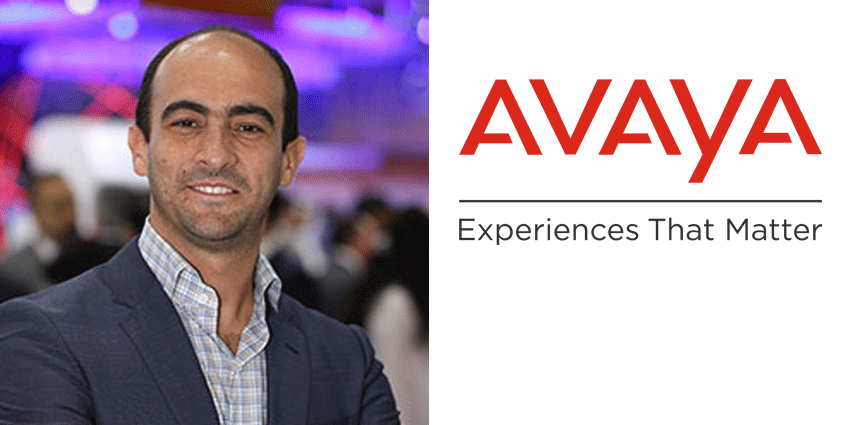
During my time at Engage, I managed to sit down for a quick conversation with Ahmed Helmy, the man responsible for AI sales and running the "Advanced Solutions Architects" at Avaya. Helmy helps to drive much of the innovation that happens behind the scenes at Avaya, and I was keen to find out how the company had been evolving over the past year.
What Have You Been Up to in 2018?
Ahmed told me that much of Avaya's research and development strategy over the last year had revolved around making the platform as flexible and accessible as possible for their customers.
"We're beginning to focus more on what we can do with things like APIs, convergence, and integration so that everyone can get the most out of their Avaya experience."
Since every customer using the Avaya framework is unique, it makes sense that the business would want to find a way to deliver broader, more bespoke solutions to their users. Helmy told me that customers today need their vendors, partners, and VARs to engage with them because they're not sure what they need at the beginning of their roadmap. "People are trying a lot of new things, and they don't want you to come along and give them a one-size-fits-all idea, they want you to give them something that adapts to their needs."
What Are Customers Asking for Today?
During his Avaya Engage speech, CEO Jim Chirico noted that the innovation efforts that had been driving Avaya over the last year are informed by what customers say they need most to achieve digital transformation. I asked Ahmed whether the company had noticed any trends in people asking for disruptive new technologies like artificial intelligence.
"There are a lot of people talking about AI today, but people still aren't sure what they're going to do with this intelligent technology. Though customers are starting to get more informed, they're looking for someone who can show them an end-to-end roadmap of the technology they need. They don't just want AI; they want to see how new technology can solve their specific problems."