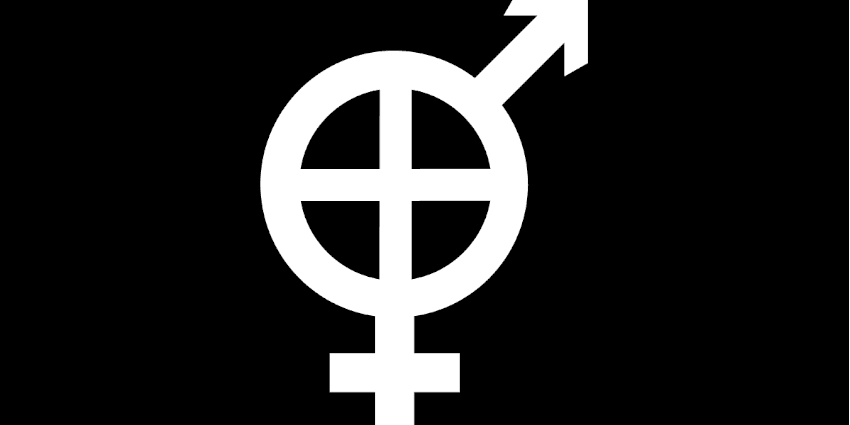
I want to start this piece somewhat differently than usual - by stating the obvious. The tech industry has a diversity problem. A strong majority of developers in the tech community are male, meaning the probability of a male developer choosing a female name for a chatbot or virtual assistant is high.
Picking a female name for a chatbot puts male developers in an odd position, running the risk of sliding down a slippery slope of perpetuating stereotypes about ‘traditional gender roles’ according to societal expectations. Digital assistants are no different and should be gender neutral, too. Amazon and Microsoft both selected female personas for their virtual assistants, hoping consumers would perceive them as friendly and relatable.
We've essentially taken a historically female-dominated role and assigned its digital complement a persona consistent with explicit workplace gender roles. I am not arguing that naming a robot after a woman is sexist, but I am stating the obvious: doing so is limiting and reinforcing outdated ways of thinking. Women today perform a diverse set of responsibilities that extend far beyond the scope of administrative and secretarial jobs.
Tech does have a diversity issue
To further address the elephant in the room, Tech’s diversity problem has always existed. So, let’s get that out of the way. Companies like Google have reported over sixty percent of its employees are white, with nearly seventy percent being male, according to TechCrunch.
This makes women, women of color, and other minorities a small share of the tech landscape, although an increasing number of women trailblaze in major roles within tech companies in Silicon Valley, and in larger numbers than ever before.
Nevertheless, we still have work to do.
Gender neutral-bots work, and they’re less stereotypical
According to Monster.com, men only make up one percent of the administrative/secretarial workforce, meaning we’ve aligned the gender of bots to match the over ninety-percent of women who work in these fields.