If there is one positive to come from the COVID-19 pandemic and the resulting global work-from-home experiment, it is the acceleration of digital transformation and the acceptance that remote work is productive. For more than a decade, the rise of the knowledge economy, cloud computing and digitisation have set the stage for the viability of remote work. The past year has helped organisations realise digital transformation’s promise of agility and proven to employers across industries and sectors that a collaborative, hybrid workforce can truly deliver on organisational objectives.
According to the latest research from Gartner, by the end of 2023 40% of organisations will move to “anywhere operations”, blending virtual and physical experiences, for increased productivity and customer reach.
This is good news as some people cautiously return to offices and business leaders plan the future of their workspaces to accommodate the new mix of onsite, mobile and remote workers. It’s also a fundamental shift that requires a reimagining of the work environment, an environment that is poised to morph into the permanent reality when physical distancing is no longer needed.
Seamless connectivity, interactive experiences, and virtual meetings that feel like you’re in the room are critical for productivity and building the new hybrid work culture. It’s a big challenge and an even bigger opportunity to rethink how we use office space to be truly collaborative and more productive. Unified communications strategies that are integrated with reimagined and forward-looking office design strategies are the keys to success.
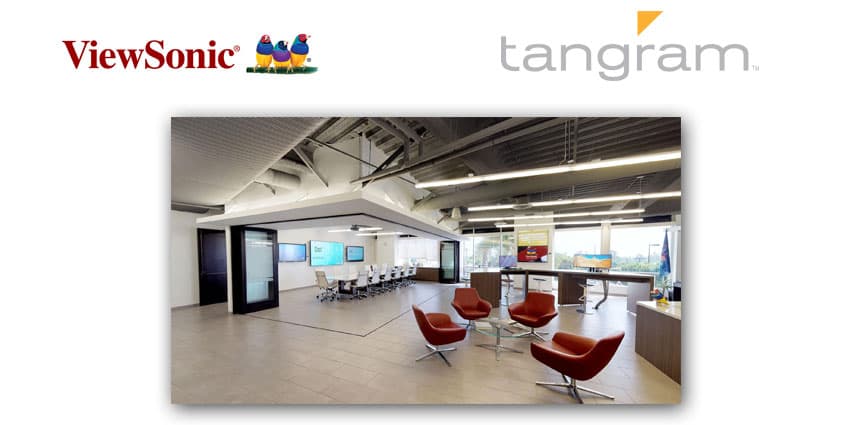
For example, the conference room with its rectangular table and inherent hierarchy hasn’t changed in decades, but it was never really conducive to true collaboration. The pandemic has forced us to think about why we gather in a physical space together. What do we want to achieve, and what value can we add by being in a room together?
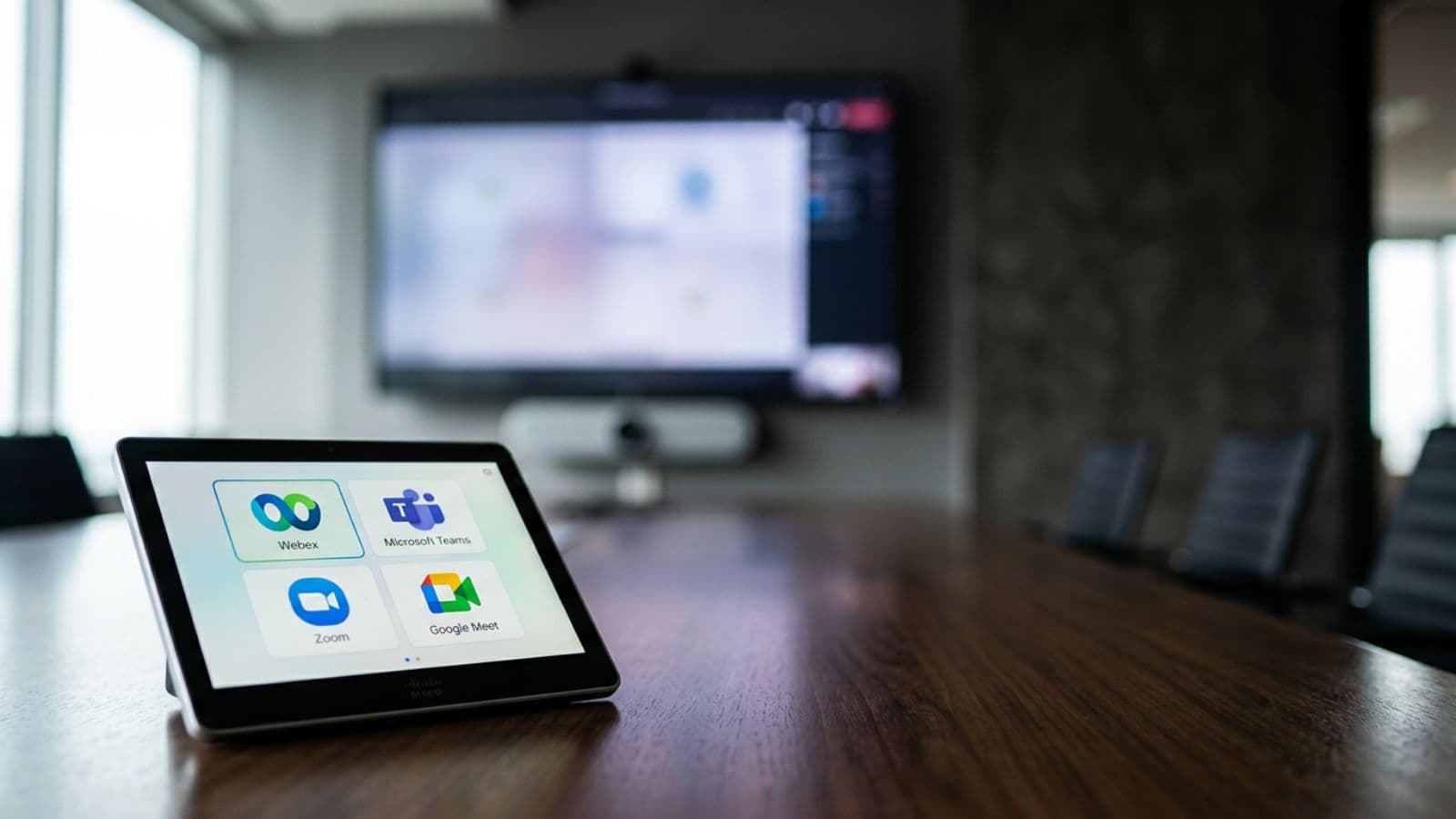
This new approach will lead to a departure from open floor plans and repurposing one room for all types of meetings. The one-room-fits all scenario has always been disruptive and inefficient, as it requires setting up different technologies, and connecting different devices across different platforms, depending on the use case. Setting up video conferencing alone can take up to 10 minutes of time each meeting, wasting time and diminishing productivity.
By focusing on the desired outcome, organisations can design and prepare new collaborative meeting spaces with AV and IT technologies that together support hybrid workflows and drive productivity. In today’s knowledge economy, that means having the right collaboration tools that allow for seamless, secure, and personal interaction between a distributed workforce. The remote participant is no longer the exception. They have to feel as though they are in the room, with equal presence and voice. The goal is to get to the stage where people can’t tell the difference between virtual and in-person; where it becomes irrelevant where a participant is joining from, rather that they can fully engage and contribute from anywhere.
The more we can support interpersonal connections, the more we can establish trust as a team, and the better we’ll be able to collaborate remotely. This is where the convergence of AV and IT has always been headed: to the creation of a completely interconnected and unified communications ecosystem.
Large-format, interactive collaboration displays and advanced whiteboarding software are critical for providing platform-agnostic support for true collaboration as businesses continue the journey to hybrid. Integrating these interactive technology solutions and office design is also key to achieving collaboration, by democratising support for all participants equally and independent of location. For example, in an office-based brainstorming meeting, these wireless, platform-agnostic technologies can facilitate real-time and interactive sidebars, deliver natural onscreen writing and drawing, and provide built-in processing for annotation and multimedia, allowing remote participants to effectively engage and do virtually all the things they would do if they were in the room physically.