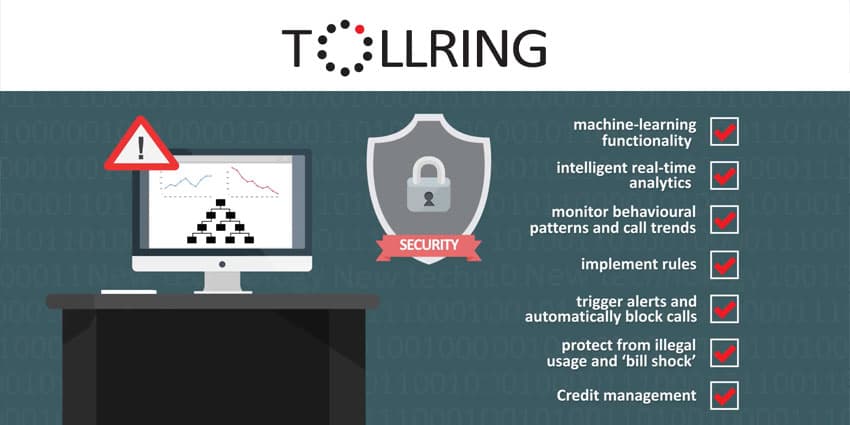
Scam calling has always been a concern for consumers and businesses. However, regulations are now beginning to place communication service providers (CSPs) under more scrutiny when it comes to the things they do to protect against scams. With governments now looking to enforce new guidelines, Tollring is one of the market-leading ISVs supporting the channel community in the regulatory shift.
With state-of-the-art technology, Tollring is delivering new applications to build on top of its market-leading fraud protection solution. These new capabilities help with identifying CLI spoofing scams, robocalling fraud, and more. The SaaS-delivered solution can also aid any calling cloud communications platform by detecting fraudulent activity, analysing call traffic, and preventing future recurrences.
I spoke to Tony Martino, the CEO of Tollring, to learn more about the latest regulatory changes and how his company is leading the charge in scam detection and prevention.
What’s Changing in Scam Calling Regulations?
The recent introduction of new capabilities into Tollring’s solution comes as new updates to regulatory guidelines have begun in Australia and are spreading around the world. The Australian Tax Office for example received an average of around 10,000 scam calls involving spoofed numbers per month in the months leading to October 2019.
Further issues include “Wangiri” calls, where victims receive a missed call, then need to call back to an expensive premium-rate number. What’s more, there’s the rising threat of international scam calls to consider, which involves both call-based issues, and “smishing” with SMS and phishing. The result of these rising attacks is the Australian Communications and Media Authority (ACMA) now outlining new rules.
The ACMA requires telecommunication companies to publish information that will help consumers to manage and report scam calling problems. The rules also require the companies to be able to share information about scam calls with other companies and report potential criminals to the authorities.
The new regulations will build upon recommendations given to customers about how they can protect themselves in the current digital environment.
Tollring Delivers Toll Fraud Innovation
Tony told me that at present, Tollring is already in the market with its innovative toll fraud solution. This technology is available to service providers around the world to assist with toll fraud issues – but that’s not the same as protection against scam calls.
“Toll fraud protection technology helps service providers to protect their revenue. With toll fraud, fraudsters can hack into an endpoint and make revenue-sharing calls, dialling numbers that cost customers money. Regulatory bodies have now placed more weight on service providers to take responsibility for guarding customers against scam calling tactics, hence the demand for a more protective technology”
Tony explains that scam calling can include things like international call spoofing, where criminals pretend to be from a specific organisation, sending out malicious attacks that convince customers to hand over their details.
“Though there’s no service provider culpability here, there is a duty of care. Companies now need to be more aware of how things like CLI spoofing and other forms of scam calling affect their customers and take some responsibility in mitigating these attacks. It’s not just the Australians that are getting involved, the UK will have its own regulatory requirements in place by 2022.”
What are the Regulatory Bodies Demanding from Service Providers?
Already a leader in toll fraud prevention, Tollring is in an excellent position to begin delivering tools that will support companies in eliminating scam calling too. Tollring is leading the way to providing the automated capture of suspicious attacks, so that providers can automatically log scam call information, and even provide the data to regulatory bodies without manual logging.