

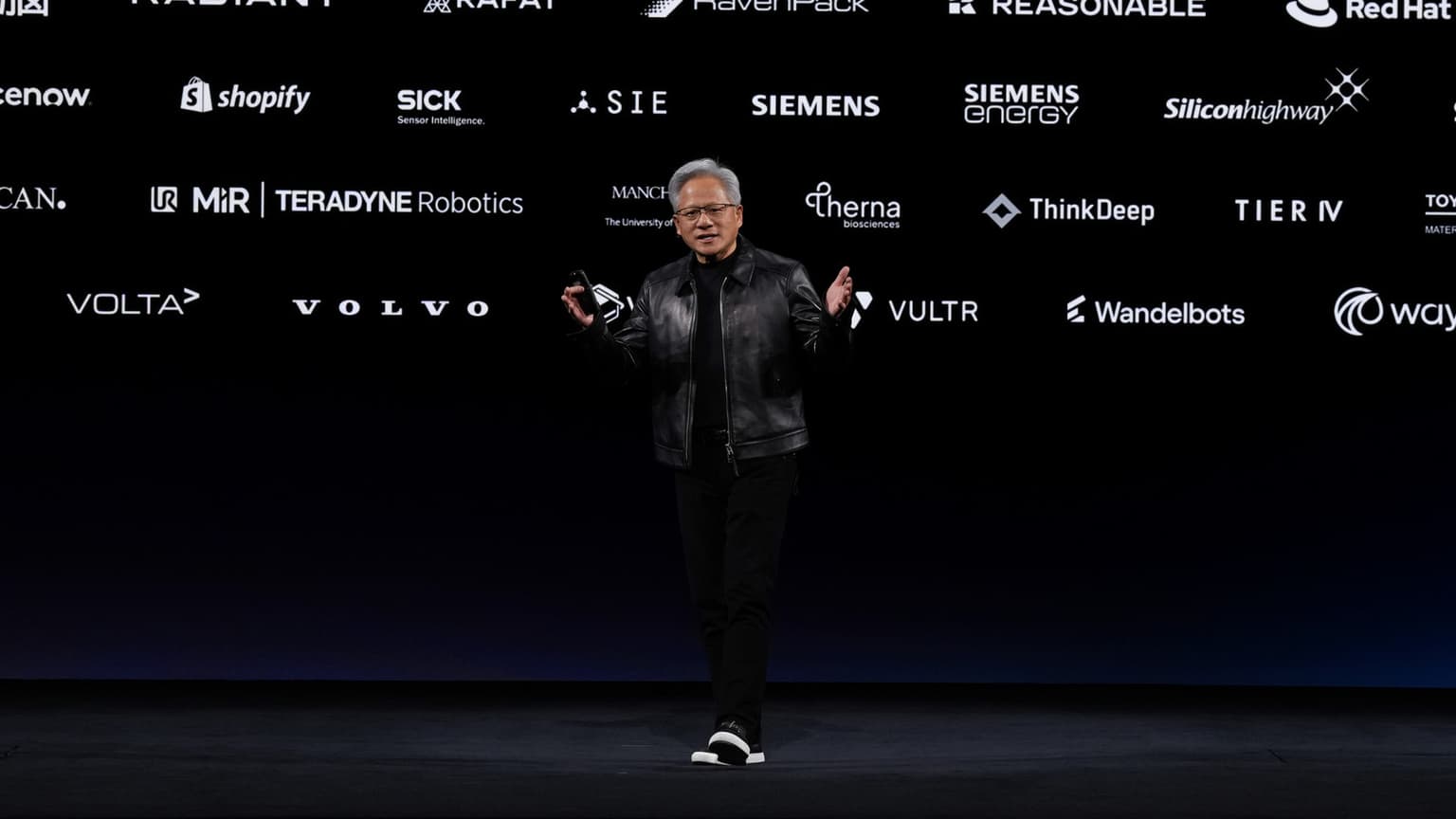
Eleven days after Jensen Huang resigned from the company he co-founded, Nvidia's board has put him back in charge. The chipmaker said on Monday that its directors voted unanimously to reinstate Huang as president, CEO and a board member, effective immediately, after meetings that left the board "satisfied with respect to Mr. Huang's candor and ability to lead NVIDIA."
Zoom, Cisco and Microsoft build parts of their AI services on Nvidia GPUs, software or models, so the open question during the interim was whether the supplier's roadmap and supply would hold. Huang's return settles who runs the company, although the investigation that preceded his exit continues.
How Nvidia got here
Nvidia announced on November 12 that Huang had resigned, naming chief financial officer Colette Kress as interim CEO. Reuters has reported that he stepped down after revelations of extramarital affairs, including one with a businesswoman whom US authorities suspect of spying for China, an allegation Beijing denies. On November 8, the board had opened an investigation into whether Huang had been the target of a foreign intelligence effort.
Only last week, board chair Harvey Jones told investors that Nvidia would not rehire Huang. Nvidia said the board had since received input from senior levels of the US government and, on that basis, was confident that his reinstatement "poses no national security risk." The independent directors' investigation will proceed to its conclusion, with Huang's cooperation.
"I am honored to return to NVIDIA and lead one of the most consequential technology companies in the world at the beginning of a new industrial revolution," Huang said. "I take this responsibility with the greatest humility and renewed commitment."
Nvidia shares rose 29.5% in premarket trading on Monday, according to Reuters, after the stock suffered its worst weekly decline since 2008 last week.
Roadmap and supply held through the interim
Nvidia's own disclosures suggest little changed in Huang's absence. Its third-quarter results, published under Kress on November 17, showed revenue of $115.8 billion, up 103% from a year earlier. Kress said then that "our roadmap is on track," and Nvidia guided to fourth-quarter revenue of $130 billion, plus or minus 3%. The same day, it announced expanded commitments with TSMC, Foxconn, Amkor and other suppliers to add manufacturing capacity.
IDC had reached a similar view in an analysis published the day after the resignation, calling near-term AI infrastructure demand and supply "largely locked in." It saw "no evidence of a change to the road map, including Vera Rubin," and placed the leadership risk in "the cadence and ambition of the generation after that, which depends on strategic judgment at the top."
Huang's return puts that judgment back with the executive who shaped the current roadmap, which matters because IDC estimates Nvidia holds more than 80% of 2026 data center accelerated server revenue. Forrester's advice has not changed either. Its analysts, Stephanie Balaouras among them, urged enterprises in a November 12 blog to confront their AI concentration risk rather than overreact to the resignation. Balaouras, VP and group research director at Forrester, said in comments emailed to UC Today after the reinstatement that the advice stands.