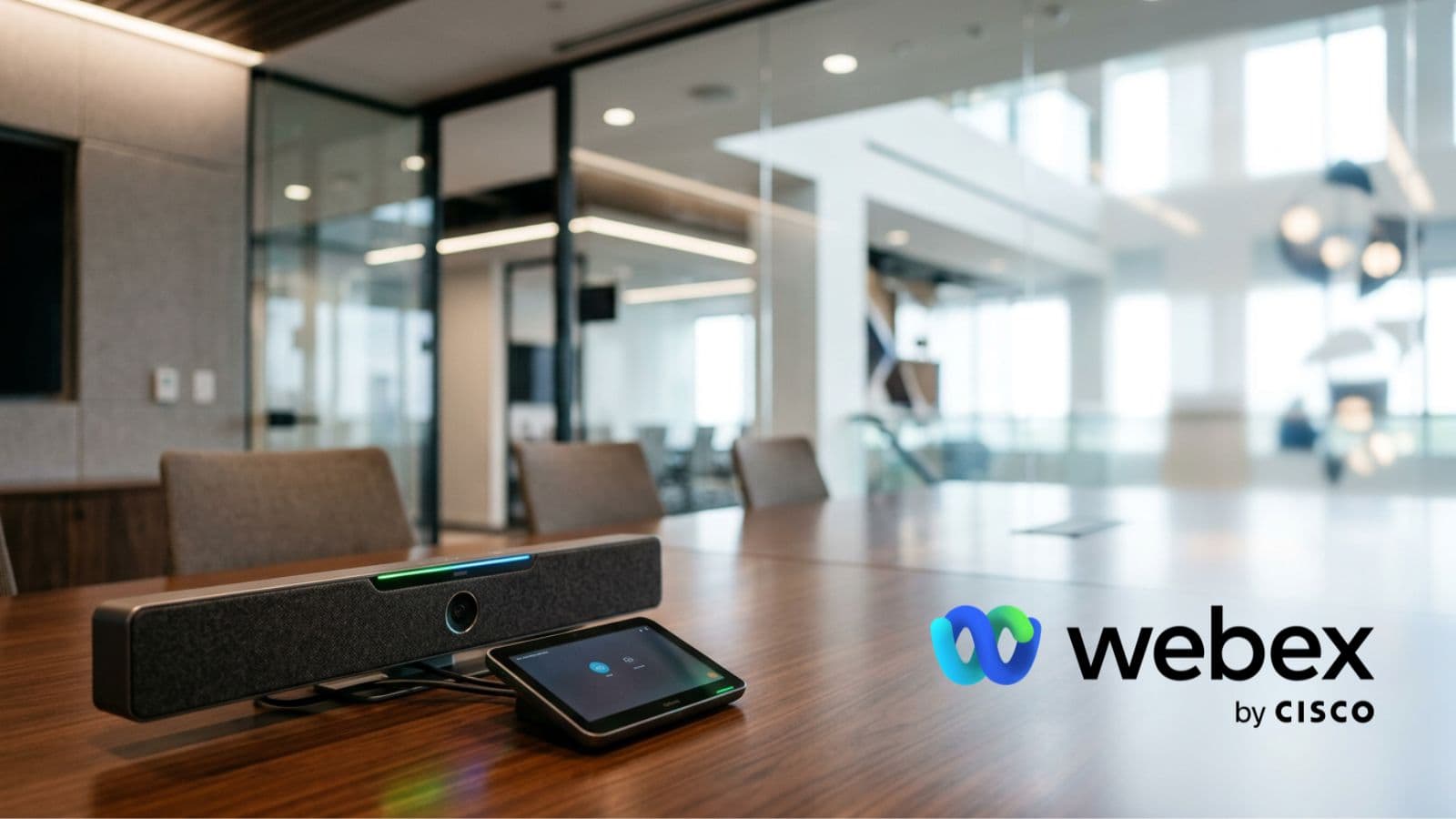
In a major logistical feat, PepsiCo migrated 3,300 video conference rooms to Microsoft Teams Rooms and standardized its 320,000-strong workforce across Microsoft 365, including Teams and Copilot.
For a global enterprise the size of PepsiCo, operational complexity is the default state. With 320,000 employees across 200 countries and territories and an extensive portfolio of brands like Lay’s, Doritos, and Gatorade, the potential for technology fragmentation is naturally immense. Recognizing that disparate tools create data silos that stifle innovation, the company embarked on a massive digital transformation initiative to consolidate its collaboration infrastructure. The goal was to fundamentally create a unified ecosystem capable of supporting advanced AI.
The cornerstone of this transformation was wholesale and strategic standardization on Microsoft 365. Rather than merely deploying desktop software, it involved a significant overhaul of the physical workspace to bridge the gap between remote and in-office employees. This ensured that the hybrid meeting experience remained consistent, whether an associate joined from a distribution center in Europe or from the corporate HQ in New York. By aligning the physical hardware with the digital software, the company effectively removed the friction that often plagues global collaboration.
PepsiCo reports that consolidation has yielded immediate and quantifiable results in workforce behavior. By creating a single "source of truth" for comms and data, PepsiCo has achieved an adoption rate that defies typical enterprise trends.
According to internal reports, the company is now seeing daily active usage of 90 percent to 95 percent for Microsoft 365 Copilot. This staggering figure suggests that by first streamlining the underlying platform, PepsiCo successfully lowered the barrier to entry for Gen AI, allowing employees to integrate these new tools into their daily workflows without the confusion of navigating a fractured app landscape.
Ashok Paranjothi, VP of Global Workplace Services at PepsiCo, commented:
“We knew that if we didn’t standardize on a collaboration platform with powerful AI features, we’d lose ground in workplace AI. Our decision to move to Teams meant communications and collaboration in our entire ecosystem became much easier, simpler, and approachable for our associates.”
Why PepsiCo's Standardization Across Microsoft Teams and Copilot is a Strategic Imperative for IT Leaders
For CIOs and digital transformation leaders, PepsiCo’s journey offers several critical lessons in the hierarchy of needs for AI readiness. Arguably, the primary takeaway is that infrastructure must precede innovation. Many enterprises attempt to layer Gen AI solutions on top of a messy, fragmented data estate, only to find that the AI cannot reason effectively over siloed information.