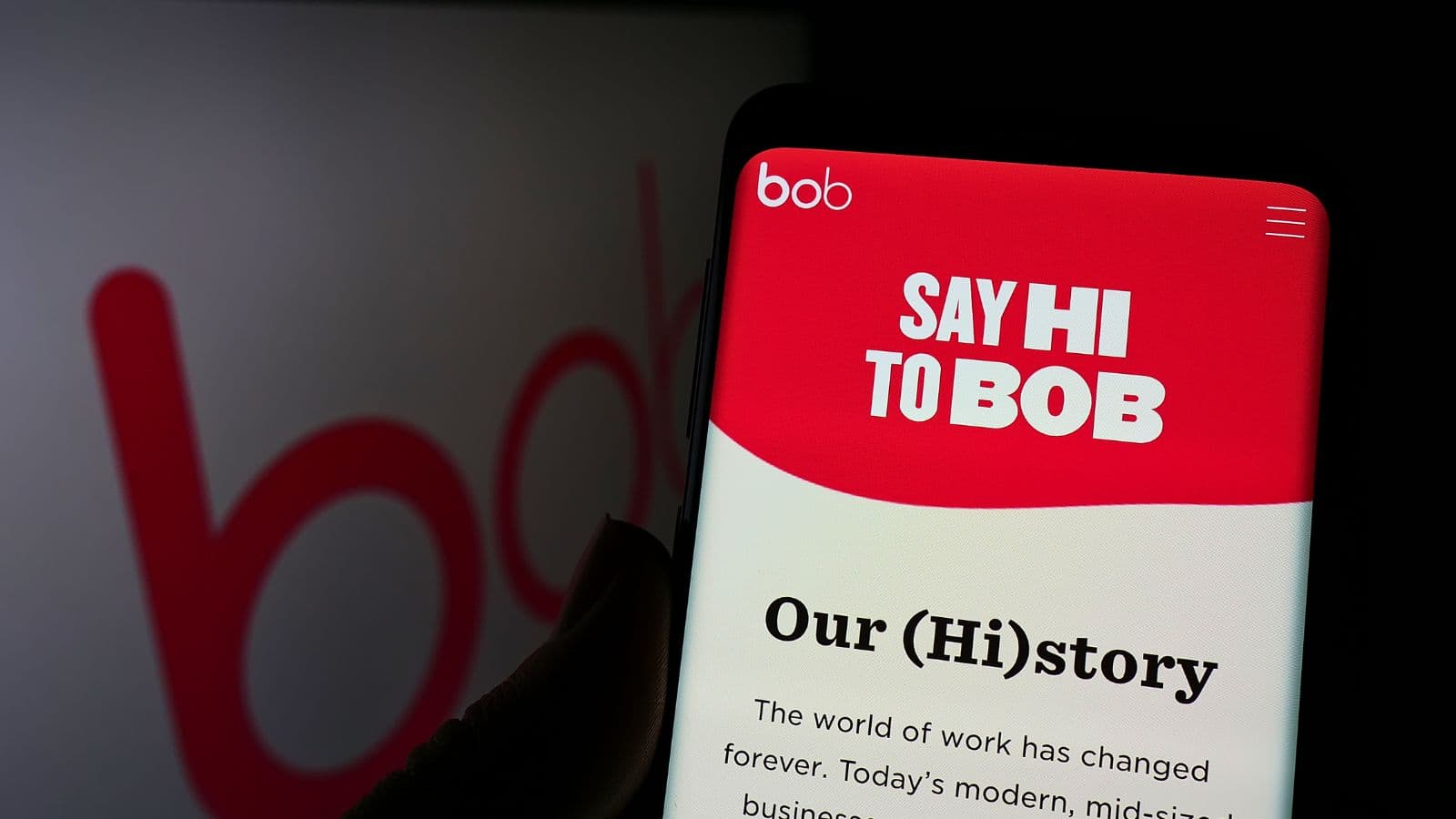
HiBob has announced a new MCP integration between its Bob platform and Slack, aiming to bring workforce information and HR actions directly into the collaboration platform.
The integration enables employees, managers, and HR teams to access workforce information and complete tasks using AI within Slack through Slackbot.
The move not only opens access to core HiBob features through Slack, but also enables AI-driven decisions within the platform to incorporate workforce context, helping improve outcomes.
Bringing Workforce Intelligence Into the Flow of Work
Through the connection, users can interact with Bob directly from Slack, asking questions about people, teams, and HR processes using natural language.
Rather than switching between multiple applications, employees can retrieve workforce information and complete HR-related actions from within the collaboration environment where much of their daily work already takes place. Managers and HR teams can also access organizational information without leaving ongoing conversations and workflows.
The announcement reflects growing industry efforts to create unified AI experiences that combine information from multiple business systems. With Salesforce, Agentforce, Slack, and MCP converging into a single AI-powered work environment, HiBob brings workforce intelligence into that ecosystem.
For HiBob, the focus is on ensuring workforce information becomes part of those AI-driven interactions. The company argues that while AI systems can identify business signals such as project delays, missed targets, or operational bottlenecks, understanding factors such as reporting structures, workforce changes, tenure, and team dynamics can provide additional context that improves decision-making.
Why HR Data Is Becoming Business Intelligence
The announcement highlights a broader shift taking place across the enterprise technology market. Traditionally, HR systems have been viewed primarily as systems of record responsible for payroll, compliance, and employee administration. Increasingly, however, organizations are beginning to view workforce data as a strategic source of operational intelligence.
As AI agents become more deeply embedded in workplace processes, the quality of their recommendations will depend on the breadth and quality of information they can access. Business metrics may reveal that a project is behind schedule or that productivity is declining, but they often fail to explain the workforce factors contributing to those outcomes.