powering productive workplaces
Front page
InterviewEmployee Experience36m · 16:31 GMT · 4 min read

HiBob’s Ronni Zehavi: Why AI Needs Organizational Context

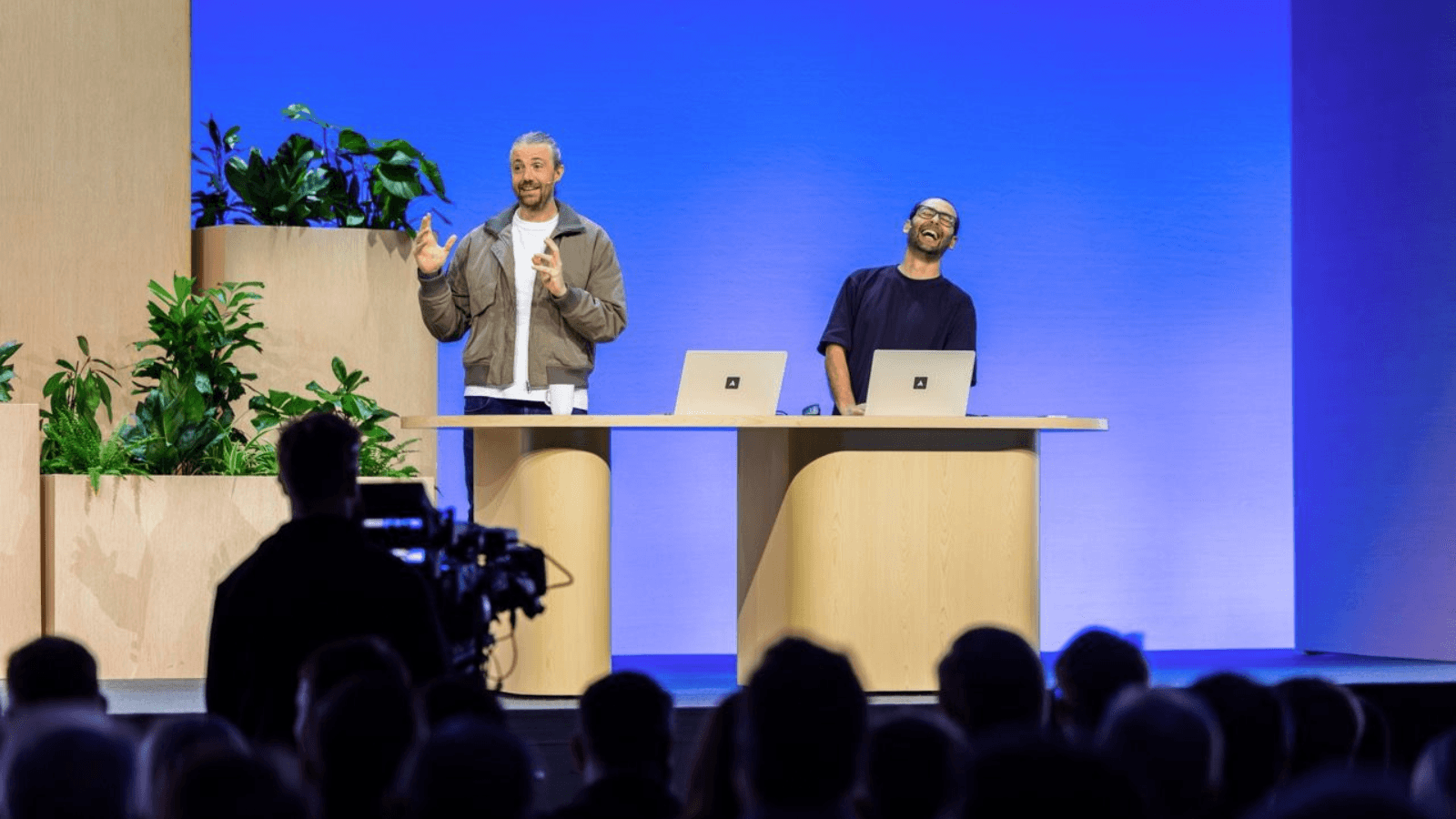
Salesforce’s $166 million investment in HiBob signals growing interest in organizational intelligence. At Unleash Paris, Co-Founder and CEO Ronni Zehavi explained why AI needs more than raw HR data, and why context could shape the next era of workforce transformation.

AI has no shortage of data. The harder question is whether it understands what that data means inside a business.

That distinction sat at the center of a conversation with HiBob Co-Founder and CEO Ronni Zehavi at Unleash Paris. It also helps explain Salesforce’s $166 million investment in the HR technology vendor, announced in September.

HiBob says the funding will support its evolution from an HR platform into an organizational intelligence layer that brings trusted workforce information into the systems where employees already work.

For Zehavi, the issue is not simply giving AI access to more data. It is giving it context.

TL;DR

  • HiBob argues that raw employee data does not give AI enough understanding to support sound business decisions.

  • Salesforce’s investment backs HiBob’s ambition to connect workforce context with collaboration, finance, CRM, and operational systems.

  • HR teams should assess whether their data is structured, connected, and trustworthy before scaling AI initiatives.

Why Is Context More Valuable Than Raw HR Data?

Context turns individual data points into information that leaders can act on. Zehavi argued that an employee’s title, address, or employee number has limited value in isolation. The useful layer comes from understanding reporting lines, skills, team relationships, and the business question being asked.

Zehavi said:

“Data by itself is not enough. The context is relevant.”

Zehavi compared the difference to reading a book. Letters alone do not carry the story. Readers need words, sentences, pages, chapters, and a narrative to understand what they are seeing.

In an HR setting, that could mean identifying the right people to consult on a proposed market expansion, rather than simply retrieving a list of employees. The quality of the answer depends on structured and normalized data, Zehavi said.

How Could Connected Data Change HR’s Strategic Role?

HiBob’s position is that HR data should not sit apart from the rest of the organization. Zehavi said the next phase requires connections between people data and systems used by finance, sales, marketing, and operations.

HiBob has already launched a Slackbot HCM integration that it says lets users access Bob’s people data and complete HR tasks within Slack. The company says the integration uses Model Context Protocol to connect Slackbot with Bob.
The product direction aligns with Salesforce’s investment thesis. Salesforce and Farallon led the $166 million round, which HiBob says will help it develop an open approach to organizational intelligence across collaboration, CRM, finance, and operations.

What Happens When Humans and AI Agents Work Side by Side?

Zehavi does not claim to have every answer about the long-term role of AI agents. But he expects them to become part of how organizations plan work.

Discussing the emerging workforce model, Zehavi said:

“Humans and agents will work side by side.”

He suggested that organizations could eventually need to plan budgets, skills, performance, and task allocation across both human employees and digital workers. Leaders may need to decide whether work requires a person, an agent, or a combination of both.

That prediction remains forward-looking, not a settled operating model. Yet it raises practical questions for HR leaders now, including who governs AI agents, how teams measure their impact, and whether workforce planning processes can accommodate them.

What Should HR Leaders Do Before Investing in AI?

Zehavi’s advice was direct: engage with the technology, understand the roadmap, and do not let uncertainty halt progress.

For buyers evaluating AI-enabled HR platforms, the first steps should be practical:

  • Check the data foundation: Confirm that employee, skills, reporting, and workforce information is accurate and consistently structured.

  • Ask where context comes from: Determine which systems inform an AI response and what permissions, controls, and governance apply.

  • Start with a real workflow: Focus on a decision or task that creates friction today, rather than pursuing AI as a standalone experiment.

  • Keep people accountable: AI may support analysis and action, but leaders still need to own decisions about people, performance, and investment.

Final Takeaway

Salesforce’s investment gives HiBob more momentum behind its organizational intelligence vision. But the larger message from Zehavi’s Unleash Paris interview is broader: AI will not transform HR simply because it can access employee records.

It needs context, trusted data, and a clear connection to the work the organization is trying to do. For HR leaders, that makes data architecture and governance central to any serious AI strategy.

rate this story
helps rank stories across uc today
Join the conversation

Does this reflect your experience?

opening the room…