Atlassian has unveiled the Agentic Multiplayer Protocol, or AMP, to bring AI agents into everyday work with shared context, visible ownership, and human oversight. The strategy combines its Teamwork Graph, a revised MCP server, and an expanded OpenAI partnership.
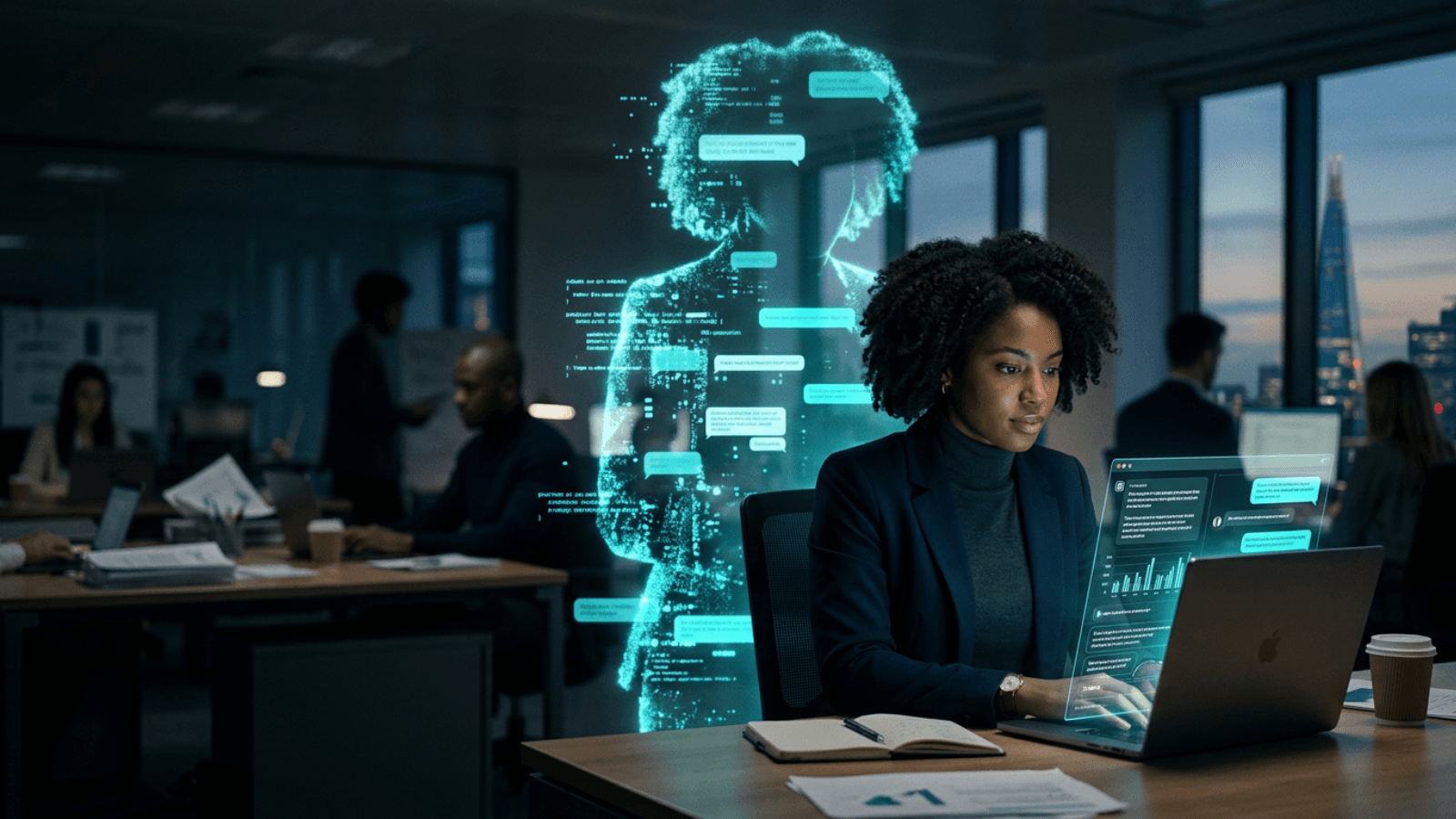
AI may make an individual employee faster, but it can also push work into private chat windows that other colleagues cannot see, challenge, or build on. Atlassian’s latest announcements target that risk.
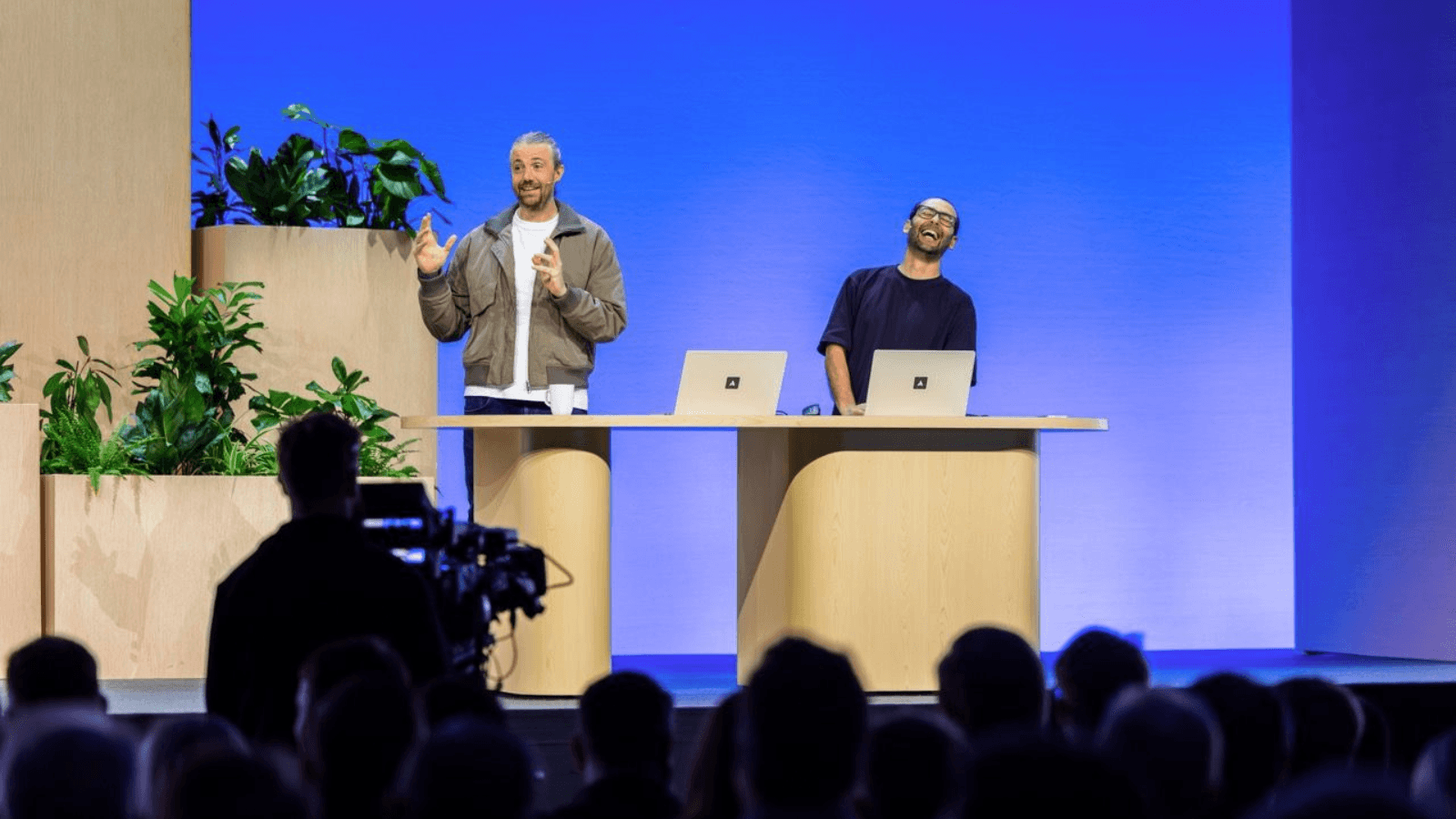
At Team ’26 Europe in Amsterdam, Atlassian announced the Atlassian Agentic Multiplayer Protocol, or AMP. The company describes AMP as a collection of experiences, patterns, and technology that enables AI agents to work alongside people, on and off its platform.
The central idea is not that every employee needs another AI assistant. Atlassian instead argues that agents need to operate within the same workflows, permissions, context, and review loops that already govern team activity.
For more on how enterprise teams are approaching the shift, read UC Today’s coverage of how AI is getting serious about running workflows.
TL;DR
-
Atlassian’s AMP aims to bring AI agents into shared workflows rather than separate chat experiences.
-
The protocol centers on in-the-flow collaboration, agent identity and shared presence, plus context and governance.
-
An updated Atlassian MCP server and expanded OpenAI partnership extend the company’s open-platform AI strategy.
-
Enterprises should test whether these capabilities improve employee clarity and control, not only task speed.
Why Can Single-Player AI Create an Employee Experience Problem?
Single-player AI can create friction when employees use private prompts and isolated tools to complete work that affects a wider team. Individuals may receive a faster answer, but colleagues can lose sight of the source material, decision process, and ownership behind that answer.
For distributed organizations, that gap can undermine the foundations of employee engagement. People need access to shared goals, relevant knowledge, and clear accountability. AI should reduce coordination work, not create another hidden layer of it.
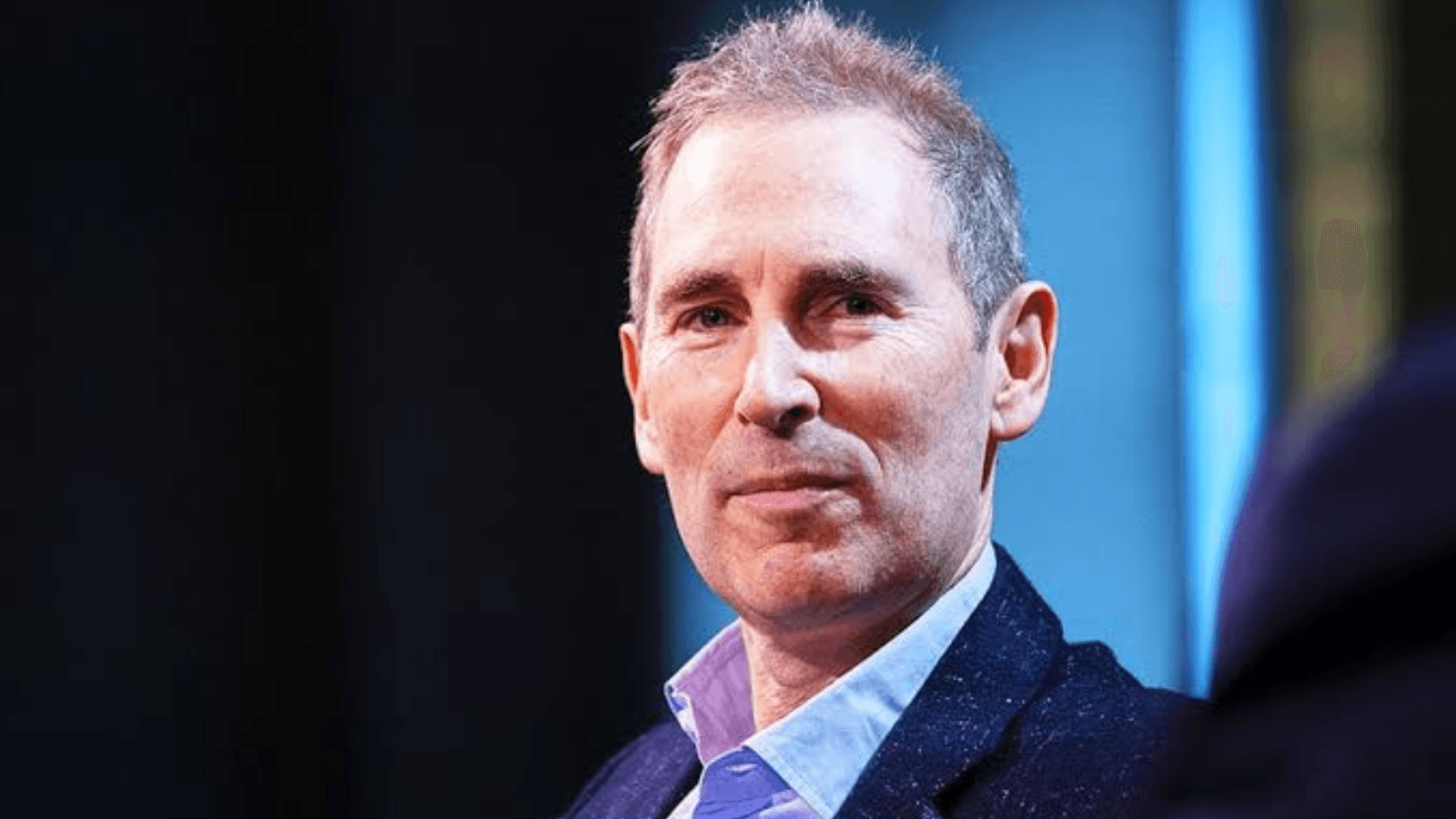
Mike Cannon-Brookes, Co-Founder and CEO at Atlassian, said:
“Solo effort only goes so far. Teams sharpen ideas, catch blind spots, and help us move further, faster. The same is now true for AI. The biggest shift ahead is moving from single-player AI to multiplayer teamwork with agents working alongside your people, in the flow, the way great teams already do.”
Atlassian says humans and agents now collaborate more than 10 million times each month across its platform. That figure indicates substantial activity, but it does not independently demonstrate stronger employee engagement or better business outcomes.
Still, it gives the company a credible reason to focus on the operational details of mixed teams. As agents take on more work, enterprises need a practical answer to a basic workplace question: how can people trust and collaborate with software that acts on their behalf?
What Is the Agentic Multiplayer Protocol?
The Agentic Multiplayer Protocol provides Atlassian’s proposed foundation for human-agent teamwork. It aims to let employees bring agents into daily workflows, identify who owns each agent and what it is doing, and give agents the context and permissions needed to act securely.
AMP is not a standalone agent or a new model. Atlassian presents it as the connective framework around agent participation across its platform and external tools.
The company organizes AMP around three layers:
-
In-the-Flow Collaboration: Agents participate where people already work, including in real-time and asynchronous workflows.
-
Identity and Shared Presence: Each agent has an owner, a distinct profile, and attributable activity that teammates can see.
-
Context and Governance: Agents use relevant organizational context and operate with permissions scoped to the individual or team use case.
This structure matters because AI adoption often starts with an individual employee testing a tool outside the team’s normal systems. AMP tries to shift that activity into a shared environment where organizations can retain visibility and employees can retain meaningful control.
What Does AMP Aim to Change?
Atlassian says AMP allows agents to join the same create, review, and act loop used by human teams. The company’s goal is to make agent activity visible, attributable, permissioned, and reviewable instead of leaving it inside private AI interactions.
How Does AMP Bring Agents Into Everyday Workflows?
AMP aims to let employees work with agents through the tools and habits they already use, rather than forcing them into a separate AI interface. Atlassian says people can interact with agents in collaboration spaces where work already moves forward, including Jira, Confluence, and connected tools.
That may sound like a subtle change, but it has practical implications. A team can review an agent’s contribution in the same place where it reviews a project update, a product requirement, or a technical change.
Atlassian has also introduced tools intended to make agent collaboration more actionable. Record for Agent can turn a screen-and-voice recording into an actionable brief. Interactive PR Reviews aim to support clearer video walkthroughs and feedback in software-development workflows.
These tools support a broader workplace need. Employees often know what needs fixing but struggle to convert informal context, such as a recorded explanation or visual walkthrough, into a structured task another person or system can act on.
The company also announced Agent Sessions, which link local and cloud agent activity to relevant Jira work items. Atlassian says the capability can make agent work traceable, reusable, and visible alongside human work.
For employee experience leaders, the test is straightforward: does this approach reduce status-chasing and repeated explanation? Or does it create another stream of updates that employees must filter and interpret?
Why Do Agent Identity and Shared Presence Matter?
Clear agent identity can support trust because employees need to know which agent acted, who authorized it, and what authority it had. AMP’s identity and shared-presence layer aims to make that information visible as agents contribute to documents, code, and work items.
Atlassian says teams can see agents editing documentation or code whether someone invoked the agent inside an Atlassian product or locally, such as on a developer’s machine. This visibility can help teams avoid an emerging coordination problem: work changes, but nobody can quickly explain how or why.
The company has also announced Non-Human Identities, which aim to give agents, apps, and service accounts distinct identities that administrators can manage. Atlassian says these capabilities will help organizations trace activity, control access, and revoke permissions when necessary.
Buyer Questions for Agent Identity
-
Ownership: Can employees quickly identify the person or team responsible for each agent?
-
Attribution: Can teams see what an agent changed and which sources informed its work?
-
Authority: Can administrators limit access by workflow, team, data type, or action?
-
Review: Do consequential decisions include clear human checkpoints?
Can the Teamwork Graph Give Agents Useful Context Securely?
The Teamwork Graph provides the context layer beneath Atlassian’s human-agent strategy. Atlassian says the graph now tracks more than 250 billion objects and relationships across knowledge, work, people, communication, code, assets, and data, up from 150 billion six months earlier.
The company argues that advanced models alone cannot understand how a specific organization operates. An agent needs access to project history, documented decisions, relevant people, work items, and approved knowledge to provide useful assistance.
This is the promise behind AI employee experience in Atlassian’s model. Rather than asking workers to repeatedly explain a project’s background, the platform aims to let an agent find relevant context from the systems where work already lives.
However, access to context also creates governance obligations. Atlassian says AMP grounds agents in the Teamwork Graph while scoping permissions at the individual or team level. It also says organizations can audit who triggered an agent, which data it accessed, and where human checkpoints applied.
How Does the Updated Atlassian MCP Server Open Enterprise Context?
The updated Atlassian MCP server extends Atlassian’s context layer to external AI tools and coding agents. Atlassian says its Model Context Protocol server lets tools such as ChatGPT, Claude, Cursor, and internal agents securely access relevant enterprise context across its portfolio.
Atlassian reports that its MCP server handles more than 15 million daily tool calls, a 15-fold increase over six months. The company also says its latest version uses up to 25% fewer tokens on average in internal benchmarking with Claude models to complete the same Jira and Confluence tasks.
That token figure is an Atlassian internal benchmark, not an independent performance study. Still, it matters because agent efficiency can affect both responsiveness and operating cost as organizations scale AI use.
Brian Duffy, Chief Revenue Officer at Atlassian, said:
“Our MCP server is a universal USB plug for AI: it opens up enterprise context rather than creating another walled garden. ChatGPT, Claude, Cursor or an internal agent can all securely access that context. While other competitors want to lock customers into their ecosystem, we connect across the tools enterprises already run.”
What Does the Expanded OpenAI Partnership Add?
The expanded Atlassian OpenAI partnership adds frontier-model capabilities to the company’s wider AMP strategy. OpenAI says its models will power agents across Atlassian’s platform and Rovo, while the Teamwork Graph provides enterprise context around people, projects, documents, and decisions.
The partnership does not replace Atlassian’s platform story. It reinforces it. OpenAI supplies model intelligence, while Atlassian positions AMP, the Teamwork Graph, and its governance capabilities as the layer that makes intelligence relevant to enterprise workflows.
Jamil Valliani, Head of Product, AI at Atlassian, said:
“Uniting OpenAI frontier capabilities with Atlassian’s Teamwork Graph brings deep organizational context to enterprise work. As we build our open platform, this expanded partnership gives our customers a seamless way to ground the world’s leading models directly in their day-to-day.”
OpenAI describes a potential use case in which a product manager asks Rovo whether a launch remains on track. Rovo could draw on Jira tickets, Confluence documents, and relevant discussions to identify blockers, flag missed milestones, and recommend next steps.
The companies are also exploring deeper Jira integrations that could help teams assign work to AI agents, track progress, capture decisions, and review results. These remain exploratory. Buyers should not treat them as generally available product capabilities.
Can Atlassian Help Enterprises Put Multiplayer AI Into Practice?
Atlassian is expanding its Forward Deployed Engineering program to help enterprises operationalize AI transformation. The program embeds senior applied AI engineers within customer organizations, while the company’s new Forward Deployed Engineering Playbook shares lessons from those engagements.
This is a significant addition to the announcement because AMP will not succeed through technology alone. Organizations need to redesign workflows, establish agent ownership, train employees, set escalation paths, and define how they measure success.
Final Takeaway: Atlassian Wants AI Agents to Work Like Teammates
Atlassian’s Team ’26 Europe announcements represent a shift from AI as a private productivity layer to AI as a visible participant in shared work.
The company wants employees and agents to operate with common context, clear identities, scoped authority, and reviewable outcomes. Its updated MCP server and OpenAI partnership broaden the range of tools and models that can connect to that environment.
The strategy has a sensible employee-engagement premise. People are more likely to trust AI when they can understand its role, see its work, challenge its output, and stay accountable for consequential decisions.
Frequently Asked Questions
What is Atlassian’s Agentic Multiplayer Protocol?
Atlassian’s Agentic Multiplayer Protocol, or AMP, is a collection of experiences, patterns, and technology for bringing AI agents into shared work. Atlassian says it supports in-the-flow collaboration, visible agent identity, shared presence, relevant context, scoped permissions, and human review.
How does AMP affect employee engagement?
AMP aims to make AI activity more visible and collaborative by placing agents inside shared workflows rather than isolated chats. It may support employee engagement if it reduces repetitive work and coordination friction while keeping people informed, accountable, and in control of important decisions.
What is the Atlassian MCP server?
Atlassian MCP is a Model Context Protocol server that connects external AI tools and coding agents to relevant Atlassian context, including Jira and Confluence information. Atlassian says its updated server now handles more than 15 million daily tool calls and can use fewer tokens for equivalent tasks.
How do Agent Sessions and Non-Human Identities work?
Agent Sessions aim to link local and cloud agent activity to shared work items, making that activity easier to review and reuse. Non-Human Identities aim to give agents, applications, and service accounts distinct identities that organizations can manage, audit, and restrict.
What does the expanded OpenAI partnership mean for Atlassian customers?
OpenAI says its frontier models will power agents across Atlassian’s platform and Rovo. Atlassian positions the Teamwork Graph and AMP as the context, workflow, and governance layers around those models, helping agents operate within enterprise permissions and shared work practices.