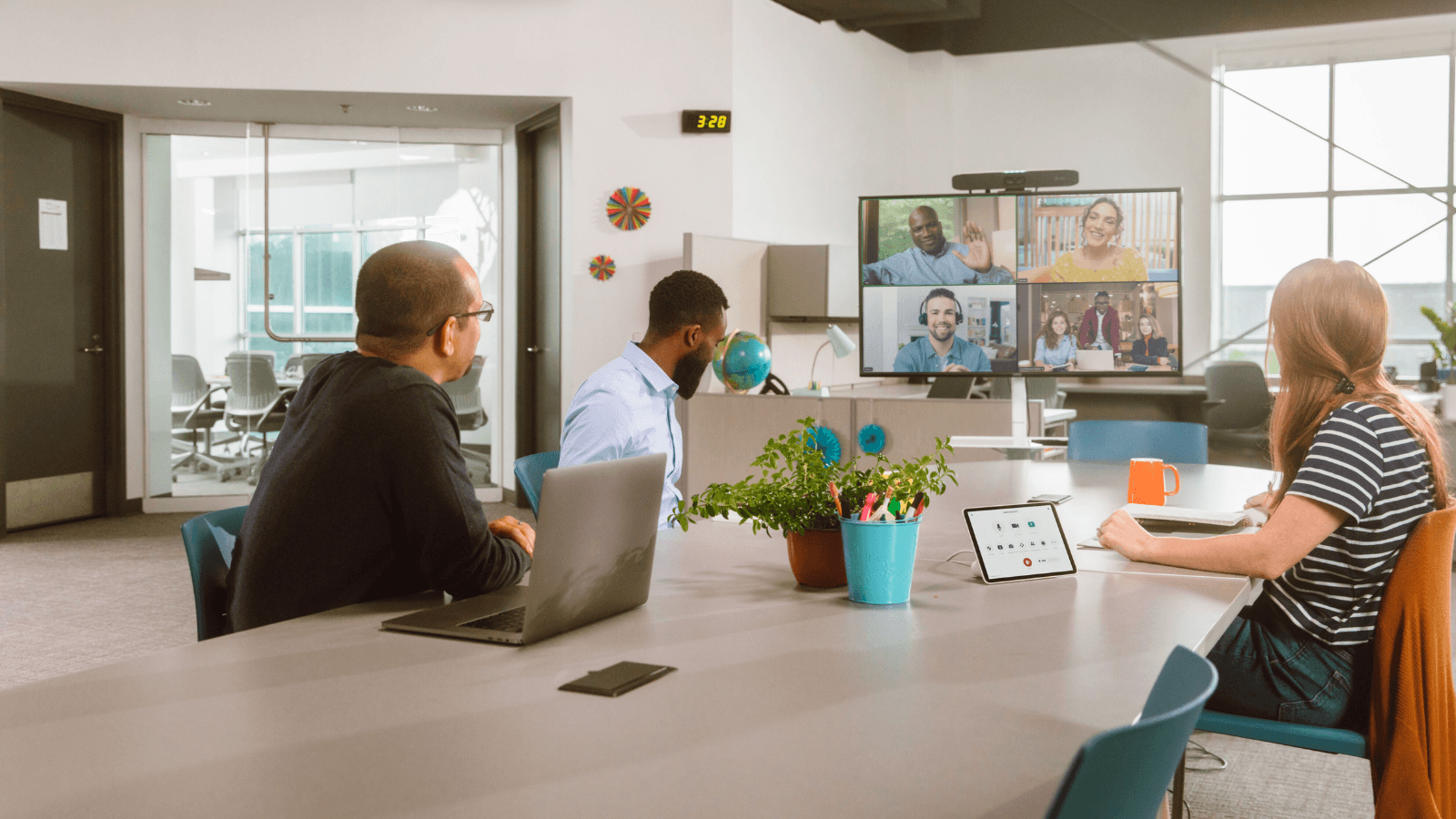
Workspace technology design rarely makes the top of the IT investment agenda. Connectivity, security, and cloud infrastructure take priority. The desk setup gets whatever is left in the budget. But that decision has real consequences.
Poor screen configurations, substandard audio, and uncomfortable ergonomics are not minor inconveniences. They are compounding friction points that reduce concentration, slow output, and erode the digital workplace experience across every working hour.
Employee productivity tools are only as effective as the physical and technical context surrounding them. Upgrading that context is what office tech optimisation actually means.
Keep Reading
- Workspace Technology Stack Friction and Productivity
- Device Strategy, Complexity, and Standardisation
- Hybrid Work Devices and Workplace Device Strategy
How Does Workspace Design Impact Productivity?
Workspace technology design affects productivity at a neurological level. Cognitive load research consistently shows that environmental friction taxes the brain's executive function. Every time an employee switches monitor inputs, adjusts a poorly angled screen, or waits for a connection to stabilise, the brain burns focus capacity that cannot be recovered in that session.
Microsoft's Work Trend Index 2024 found that employees spend an average of 57% of their time communicating and coordinating rather than on focused deep work. Poor digital workplace experience design amplifies that ratio further.
The impact compounds across teams. When thirty employees each lose fifteen minutes per day to preventable workspace technology design failures, the organisation loses the equivalent of a full-time employee every week. Office tech optimisation is about removing friction from the environments where work happens.
What Tech Issues Disrupt Employee Focus?
Several workplace ergonomics tech failures consistently appear across modern office environments. Screen setup is the most common issue. Monitors positioned too high, too low, or at the wrong distance force employees into sustained postures that cause physical fatigue within hours. Research from Cornell University found that correctly positioned screens reduce neck and shoulder discomfort by up to 40%.
Audio quality is a close second. In hybrid environments, poor microphone pickup and inconsistent speaker output disrupt meeting flow and create the cognitive overhead of interpreting unclear communication. Employee productivity tools like collaboration platforms deliver far less value when the audio layer beneath them is unreliable.
Connectivity inconsistency is a third disruptor. IDC research identifies connectivity friction as one of the leading causes of digital workplace experience dissatisfaction globally.
Follow UC Today on LinkedIn for the latest insights: [INSERT LINKEDIN URL HERE]
Why Do Small Friction Points Reduce Performance?
The answer lies in accumulation. No single workplace ergonomics tech failure destroys a working day. But five small failures in sequence collectively consume the mental reserves that focused work requires.
Psychologist Daniel Kahneman's research on cognitive depletion illustrates why this matters. Decision-making and concentration quality decline with each additional demand placed on mental resources. Workspace technology design failures are invisible demands that quietly drain the capacity available for meaningful work.