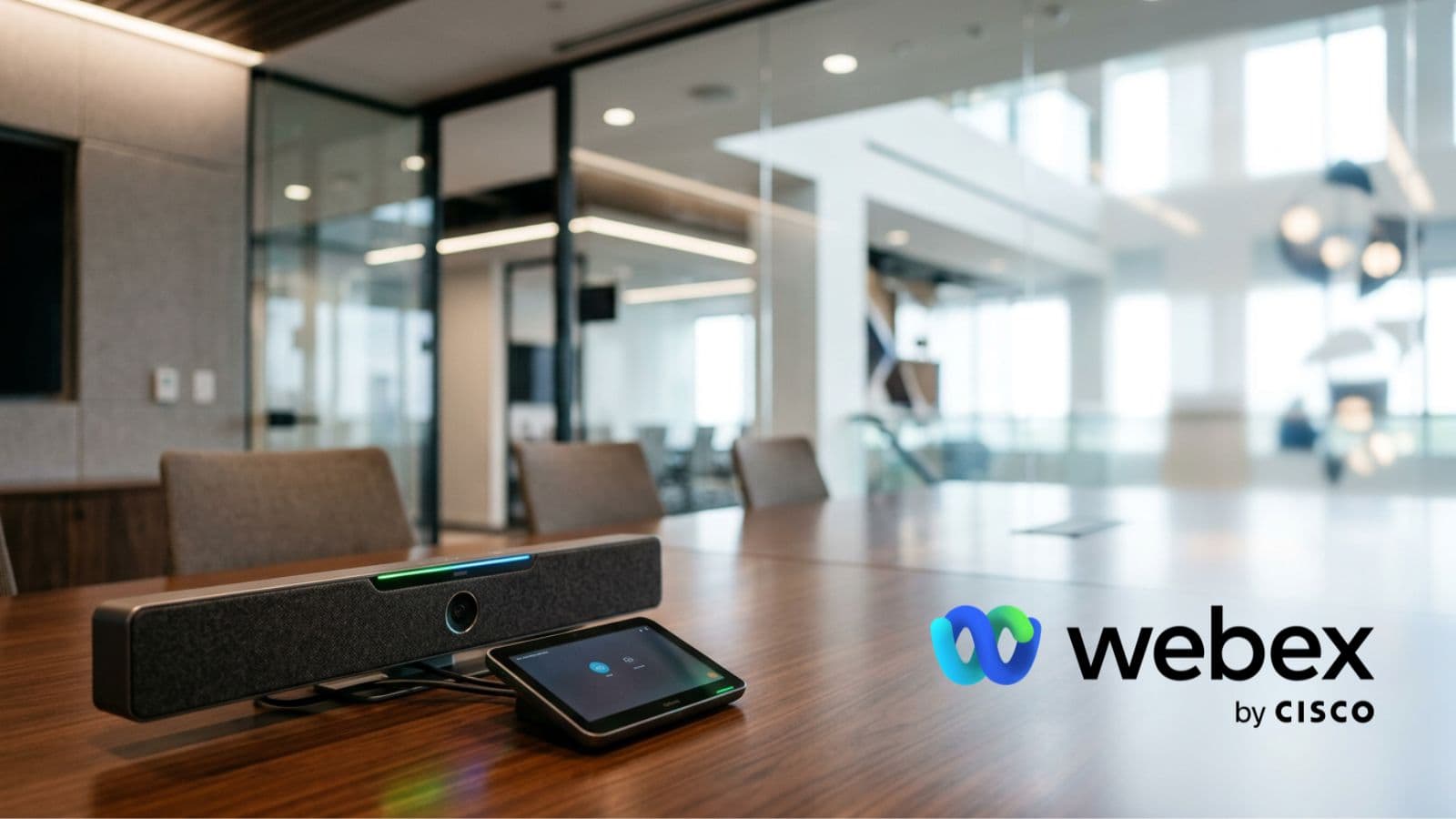
Universities are being asked to support students the way any other service provider would, around the clock and across whatever channel a student happens to pick up. At the same time, IT teams are backing hybrid teaching and starting to work out where AI fits into handling the steady flow of queries from students, faculty and staff.
At Brandeis University in Massachusetts, the answer has been to pull as much of that work as possible onto one platform. The university now runs its meetings, phones and IT contact centre on Zoom, has deployed Zoom Virtual Agent on its help desk, and is piloting Zoom Video Management with a view to retiring two other video platforms.
Eli Jacobson, Senior Associate Director of Network Communications and Digital Media at Brandeis, sits in the client services and engagement group that runs the university's classroom technology and its IT Service Center. His team is also the service owner for the whole Zoom Workplace platform, which now covers digital media and unified communications across the campus.
Why Brandeis Consolidated Campus Communications onto Zoom
Like most universities, Brandeis had Zoom long before 2020, but the pandemic turned it into the tool everyone on campus used overnight. In the four or five years since, its role has grown well beyond web conferencing. Jacobson now describes it as the university's unified communications platform, spanning video meetings, events, Zoom Phone and a widening set of Workplace features used by students and campus operations alike.
The decision to bring more onto that single platform came down to more than cost, Jacobson says. Managing several overlapping systems builds up technical debt, and every extra platform adds to the management burden on a small team.
There's always an element of it that's cost, but that's not all of it. In an ideal world, we're always looking to have fewer platforms rather than more platforms. At the same time we're expanding to do more features, but if it's within a single platform, that becomes more feasible.
The same thinking is behind the university's current look at video. Brandeis has already cut its video platforms from three to two, and Zoom has given it the chance to fold the remaining two into one. Jacobson adds that this depends on getting full feature parity before anything is switched off.
Moving Zoom Phone and Contact Center Under One IT Team
The move to Zoom Phone also meant an organisational change. Telephony had historically sat with the university's network and systems group, while Jacobson's client services team owned Zoom. With phones now part of the platform, his group has taken on the whole Zoom unified communications environment, including the phone system and Zoom Contact Center, and has trained its staff to support it.
Managing a whole telephony system is not as scary as one might think when it's all there under one single umbrella. It's very similar to all of the rest of Zoom.
That has widened the range of tickets the team handles, and it keeps adding to the list. Jacobson says new features arrive almost daily, and each one raises the question of whether to release and support it. The team is now starting to deploy Zoom Rooms and Workspaces, and is looking at using them for digital signage.
Zoom Virtual Agent Brings 24-Hour Tier One Support to the IT Help Desk
The most visible change this semester is on the IT Service Center. Over the summer, Jacobson's team built and tested voice and chat versions of Zoom Virtual Agent to provide 24-hour support for tier one queries. Preparing the campus to accept the bot was a key part of the planning, he says, and the team wanted to be careful without being afraid of it.
The design deliberately keeps people within reach of a human. The bot answers what it can, but its other job is to collect the user's details and raise a ticket, which meant integrating it with the university's service management platform. A student who calls at midnight with a problem the bot cannot solve should still get help first thing the next business day.