Bring Your Own Device (BYOD), for most people and organisations, is a buzzword. Enterprises have dabbled in BYOD for years but the security and restricted access issues has put off both IT and users. Recent research shows only 54% of organisations in the UK have adopted formal BYOD policies, even though 72% of organisations have embraced BYOD and SaaS application adoption.
As mobile technology matures and businesses become more mobile, embracing things like remote working has been accelerated. I reached out to Andy Mather, Digital Transformation Director at Telstra, to hear about his first-hand experience in enterprise mobility and to learn what Telstra is doing to remove both the stigma and risk associated with BYOD.
Enterprise mobility market
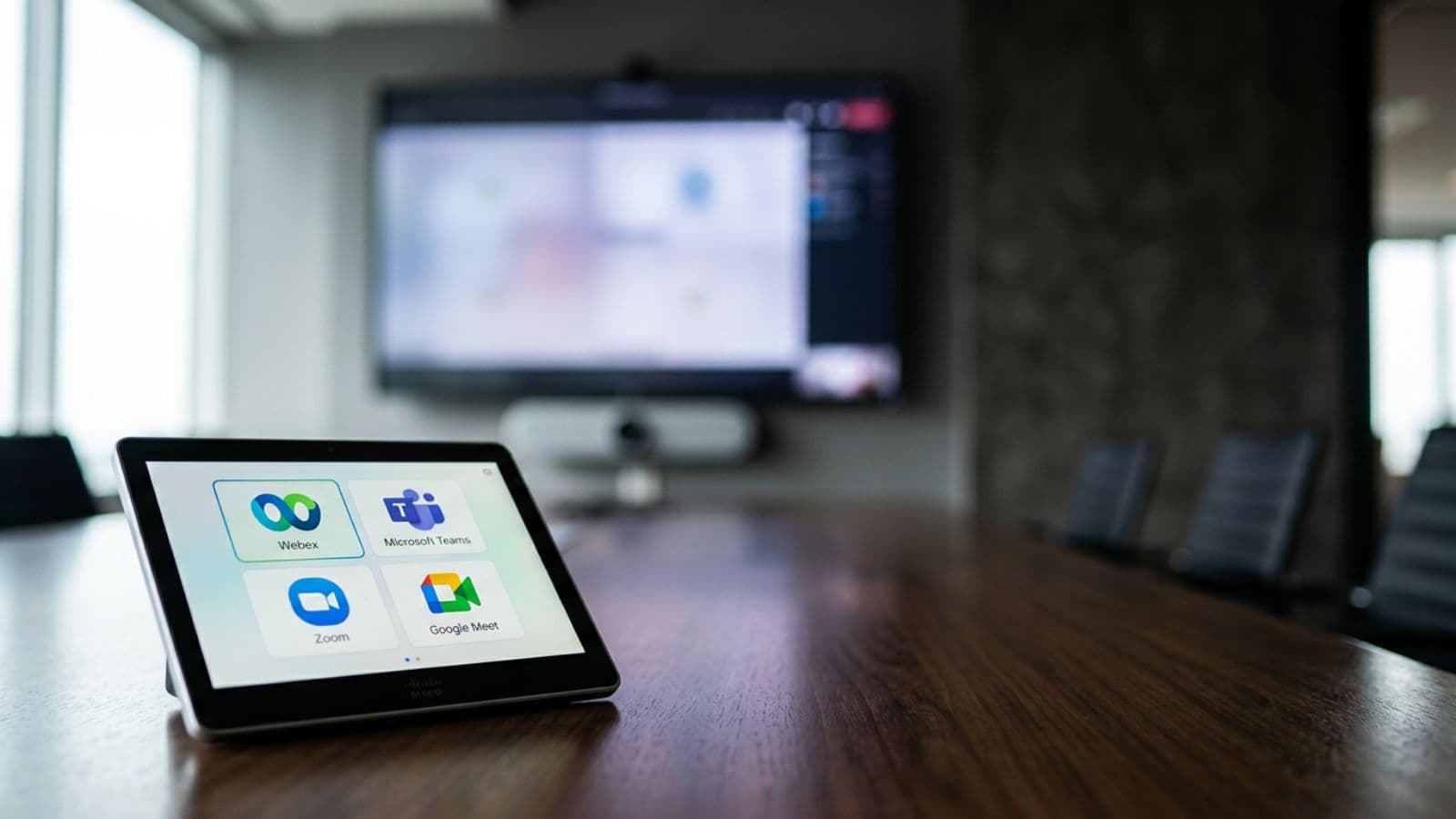
With apps like Microsoft Teams and Cisco Webex Teams driving the rise of collaboration and contextual communications underpinning enterprise mobility, Andy spoke about the fragmented nature of different messaging technologies.
“Today we have a huge choice in the ways we communicate with each other, with different technologies being used across different geographies with different purposes. While I still like speaking on the phone and texting, I use WhatsApp for groups of friends while my kids use Instagram or SnapChat and, and last resort, FaceTime.
In business we’ve had a proliferation of platforms with some institutions like banks supporting up to 30 different platforms. This can make things confusing because people prefer one over the other. On top of that, you have the complication of regulations in markets like the financial sector.”
Andy reflected on the history of messaging and chat as he has experienced it. “Back in the day when there was the choice between AOL and Yahoo for IM and basic texting, life was simpler. At work everyone was on the same IM platform which was great! But as additional platforms emerged without federation between them, the market fragmented and the value diminished and so you had to revert back to email. Nowadays, it’s easier because of the mobile-first experience, with multiple apps on your smart phone and the way apps are developed now, they are more in your face so communications is easier.
When you look at many of the firms we deal with now, the user experience has been solved, but the issue we have to address is what do you do with Unified Comms and enterprise mobility as a corporate?”
Driving adoption and trust
Andy gave some insights into how to tackle the notion of removing the desk phone, combating network performance and driving adoption when formulating your enterprise mobility strategy.
“Allowing staff the flexibility to work differently means that a desk phone has become redundant"
"This has seen the rise of Unified Communications tools that allow staff to communicate wherever they want. To provide quality communication, however, relies on having good computing power, good WiFi or network access and Quality of Service (QoS) configured.
There is nothing worse than poor voice quality so the “getting your network right” experience is crucial when looking at replacing the desk phone and enabling mobility.”