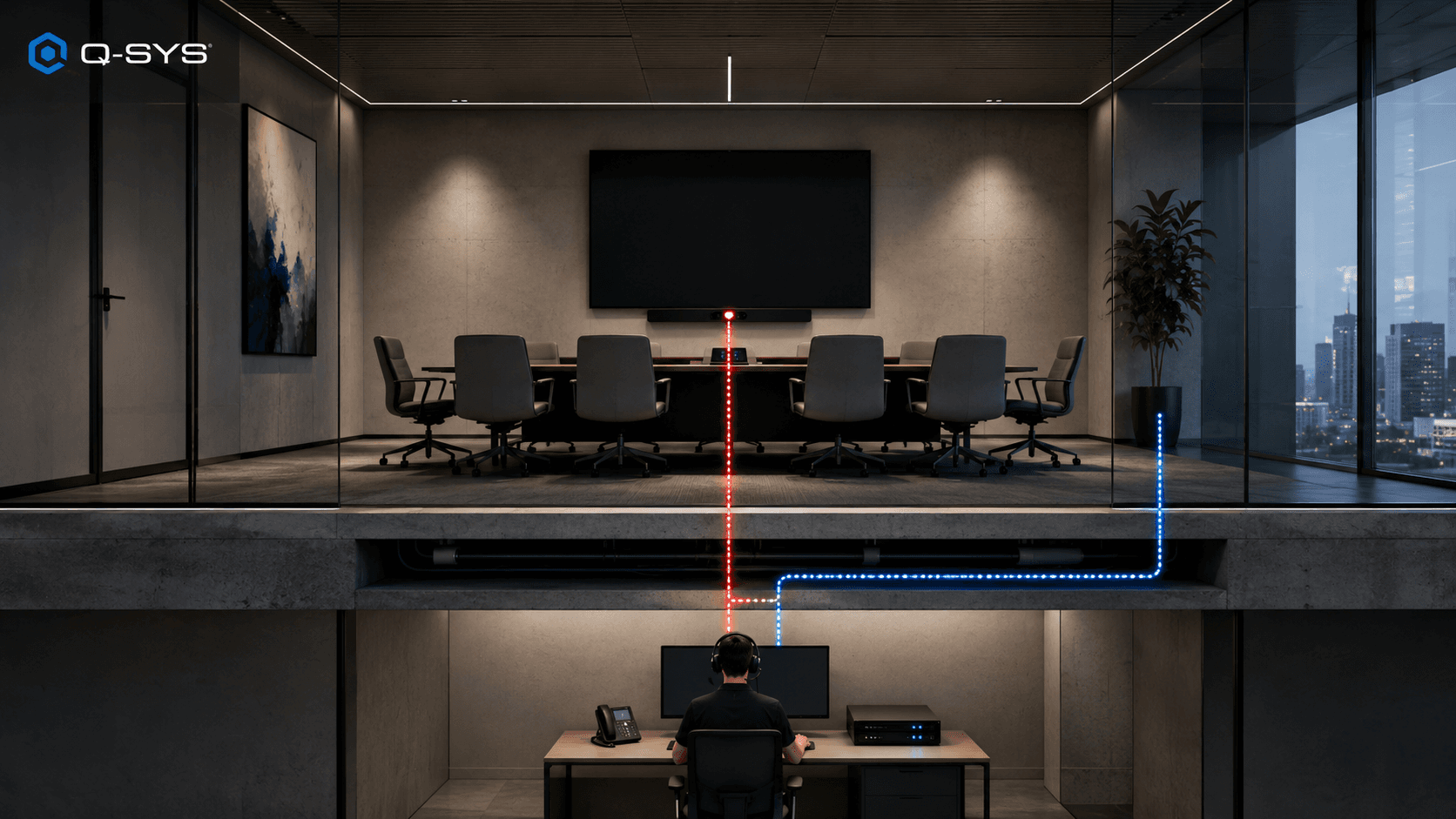
Are you measuring office attendance or actual business performance? Many leaders track badge swipes but miss the bigger picture entirely. Effective workplace analytics integration connects physical space usage with employee output. You must link workplace design directly with measurable results. A modern space utilization strategy enterprise leaders trust demands holistic insight.
Occupancy data alone cannot reveal how teams truly collaborate. You need comprehensive workforce behavior analytics to understand daily friction. This requires treating analytics as a serious systems integration challenge. Proper workplace data integration merges occupancy, collaboration, and performance metrics.
This unified approach reframes analytics as pure alignment with outcomes. Leading organizations use workplace performance modeling to drive strategic decisions. They move beyond siloed metrics to gain complete operational visibility. Let us explore how you can build this unified model today.
Related Articles:
- AI Real Estate Boom: Why Tech Sector Real Estate Strategy Needs an Operational Upgrade
- Why Are Your Offices “Busy” Again but Still Failing to Deliver Productivity Gains?
- Which Workplace Analytics Vendors Are Leading in 2026
How Do You Connect Workplace Data To Business Outcomes?
You connect workplace data to business outcomes by linking physical space usage directly to operational performance.
Many organizations treat real estate and human resources as separate entities. This disconnect prevents leaders from seeing how space impacts execution. Effective workplace analytics integration requires merging these isolated data streams. You must track how office layouts influence decision velocity and collaboration.
A strong enterprise model for space utilization focuses on friction reduction. It shows exactly where poor design slows down daily work. By leveraging workforce behavior analytics, you can align environments with needs. This ensures your real estate investments actually support measurable corporate goals.
What Defines An Integrated Workplace Analytics Model?
An integrated workplace analytics model combines occupancy, collaboration, and performance data into one unified system for deep insight.
Basic utilization reports only show how many people entered the building. An integrated model reveals what those people actually did inside. It requires robust workplace data integration across multiple enterprise software platforms. This connects calendar data, meeting room usage, and employee feedback seamlessly.
True workplace performance modelling relies on this comprehensive data foundation. It treats the office as a dynamic system rather than static real estate. Leaders can finally see how different variables impact overall team output. This holistic visibility is the core of workplace analytics integration.
Join the conversation and follow UC Today on LinkedIn for the latest enterprise technology insights.
How Do Space And Behavior Data Interact In Performance Analysis?
Space and behavior data interact by revealing how physical environments support or hinder specific employee collaboration patterns.
Physical layouts dictate how teams communicate and coordinate daily tasks. Without workforce behavior analytics, you cannot measure this critical interaction. A poorly designed office increases coordination overhead and slows down approvals. A smart space utilization strategy enterprise teams use highlights these bottlenecks.
When you combine these datasets, clear operational patterns emerge quickly. You can see if a full office actually accelerates project delivery. Proper workplace data integration proves whether proximity truly enhances team performance. This allows you to adjust spaces based on actual work habits.