Workday has announced the launch of Paradox Conversational ATS, a new applicant tracking system on its platform designed to help organizations hire frontline workers more quickly and efficiently. The solution eliminates traditional hiring bottlenecks by replacing complex login processes, lengthy application forms, and manual administrative steps with streamlined, text-based conversations.
This represents a simplified and modern approach to how companies can manage high-volume hiring for industries where frontline roles dominate recruitment efforts.
The announcement builds on Workday’s October 2025 acquisition of Paradox and follows the launch of the Workday Paradox Candidate Experience Agent. By integrating this conversational technology into its platform, Workday is positioning itself to address one of the most persistent challenges facing retail, hospitality, manufacturing, and other frontline-heavy sectors: the need to hire at scale without sacrificing candidate experience or operational efficiency.
How Paradox Conversational ATS Changes the Hiring Game
At its core, Paradox Conversational ATS reimagines the entire candidate journey. Rather than navigating multiple web pages, creating accounts, and filling out extensive forms, candidates can search for jobs, apply, schedule interviews, and complete onboarding through short text message exchanges. This conversational approach mirrors how people naturally communicate, making the hiring process feel less like paperwork and more like a simple conversation.
Workday reports early adopters using Paradox are cutting the time spent managing these tasks by up to 90%, with an average time-to-hire of three and a half days. This speed matters particularly in frontline industries where rapid staffing can directly impact business operations and customer service quality.
Beyond speed, the system maintains high candidate satisfaction throughout the process. Once hired, offers and onboarding documents are automatically delivered via text message, helping achieve a 95% candidate satisfaction rating in 2025. This automated delivery ensures new hires receive critical information promptly without requiring HR teams to manually send documents or follow up on outstanding paperwork.
By meeting candidates where they are and eliminating follow-up tasks for HR, the system removes friction that might otherwise cause qualified applicants to abandon the process midway and delay onboarding.
Addressing Critical Staffing Challenges in Frontline Industries
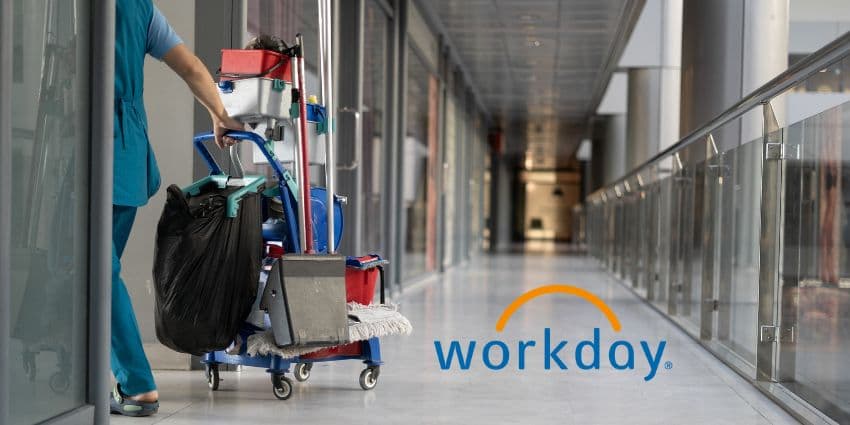
The frontline workforce represents roughly 80% of the global labor force, yet this sector has historically received disproportionately low technology investment compared with white-collar environments. This gap persists despite frontline industries consistently experiencing some of the highest turnover rates in the job market, often exceeding 50% annually.