On Ericsson's second-quarter earnings call on 14 July, J.P. Morgan analyst Sandeep Deshpande put a direct question to outgoing CEO Börje Ekholm: after five straight years of losses in the Enterprise segment, was there any timeline for it turning a profit? Ekholm didn't dodge the follow-up.
"You all know the business of Vonage has not been contributing."
He went on to say a turnaround plan was already in motion, that reported numbers had improved from Q1 to Q2 and would keep improving through the year, but stopped short of naming a date, arguing it wasn't fair to bind a target he wouldn't be the one delivering. That's because this was also Ekholm's last quarterly call as CEO. After nearly ten years running Ericsson and twenty on its board, he hands over to Per Narvinger, currently head of the Networks division, on 1 October.
A $6.2 Billion Bet That Hasn't Paid Off
The scale of what Narvinger inherits is significant. Ericsson paid $6.2 billion for Vonage in 2022, the most expensive acquisition in its 150-year history, betting that Vonage's API platform would connect its 5G networks to the developers building on top of them. Since then, Ericsson has written the business down twice: by $3 billion in October 2023 and by a further $1.1 billion in July 2024.
The Q2 numbers, drawn from Ericsson's own results, show why. The wider Enterprise segment that Vonage sits within posted sales of SEK 4.5 billion (around $460m), down 19% year on year. That decline was driven mainly by the 2025 sale of iconectiv, rather than organic weakness. Strip that out and the segment actually grew 3% organically. Adjusted EBITA was a loss of roughly SEK 0.8 billion (around $80m), an improvement on Q1, which had been hit by one-off charges.
Van de Weyer Steps Up From API Chief to CEO
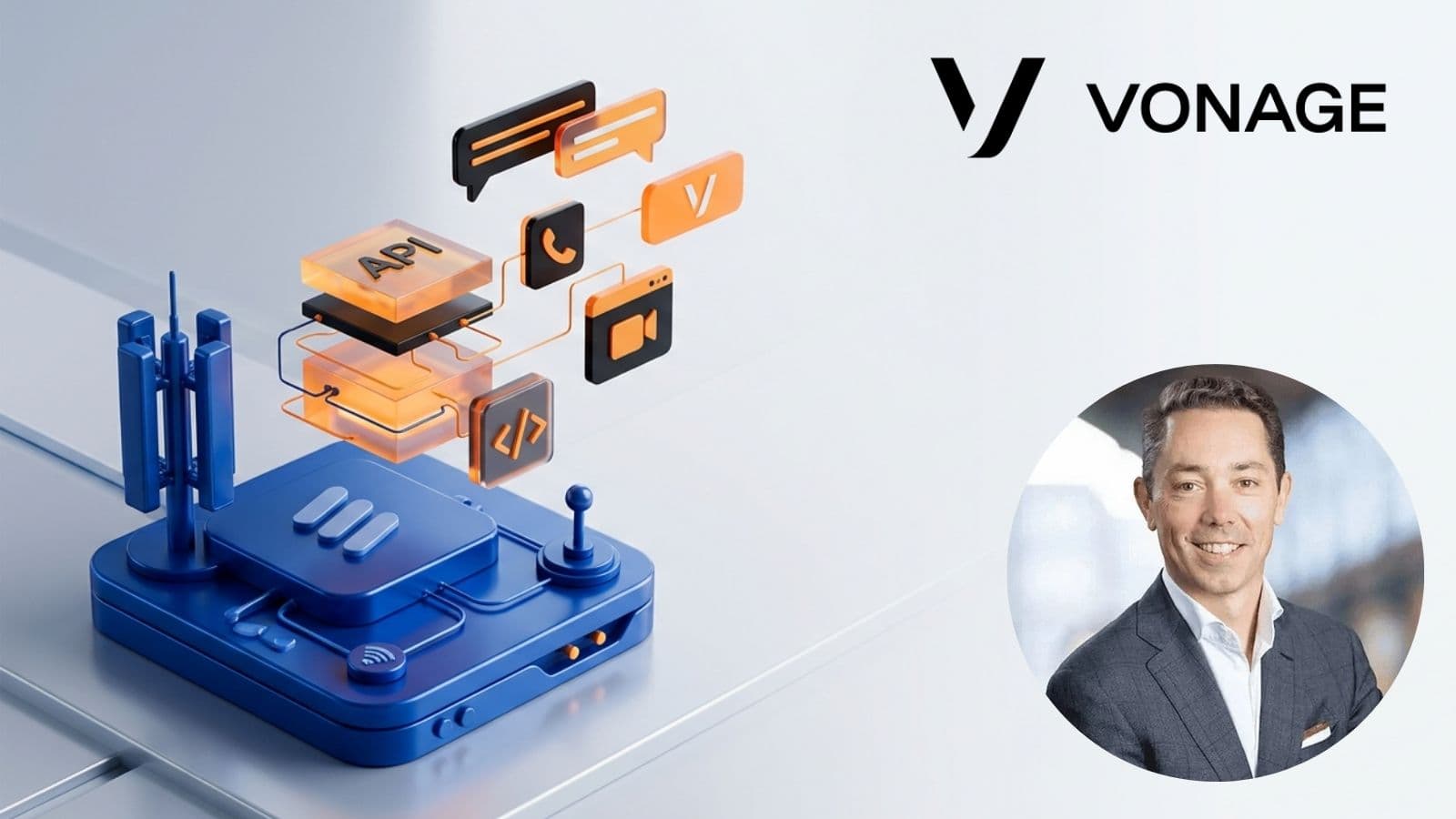
The leadership change follows a similar pattern of incremental repair. Ericsson confirmed the appointment of Christophe Van de Weyer as Head of Business Area Global Communications Platform and CEO of Vonage, effective 15 August, in a statement issued on 21 July. He replaces Niklas Heuveldop, who has held the role since February 2024 and will stay on in an advisory capacity until the end of the year to support the handover.
It's a markedly different tone to how Heuveldop's own appointment was announced back in January 2024, when he called the job: