Having the ability to make a choice is great, until you discover you’re stuck with it.
Two years ago, panicked enterprises turned to a plethora of then-niche remote video conferencing platforms to somehow keep going as the world locked down.
Webex, Zoom, Jabber, Microsoft Teams, and many other vendor-specific solutions sprang to the rescue and users took their pick.
Rapidly, those platforms became our daily means of staying connected.
Fast-forward to today and those same game-changing solutions – and a still-increasing number of others – are driving an epic global transformation in how the world does business.
The downside?
All of that initial choice has created a haphazard patchwork of platforms that is now fragmented and disjointed.
For some, integration with different wider networks can be clunky at best.
Others are incompatible with users’ head office systems now they are slowly returning to the office.
Knowing what they know now, many may have chosen their ‘go to’ platform differently.
But, instead, they are leveraging software which cleverly solves this most contemporaneous of problems - allowing seamless switching between them all.
“In short, it is about protecting organizations' investment in video conferencing room systems so they can connect to cloud-based conferencing solutions with a simple join experience and not having to figure out different join experiences from different vendors”, says Jay Patel, Business Manager of Product at global video communications enabler Pexip, whose ‘Enterprise Room Connector’ solution provides One Touch Join experience and interoperability with Microsoft Teams and Google Meet.
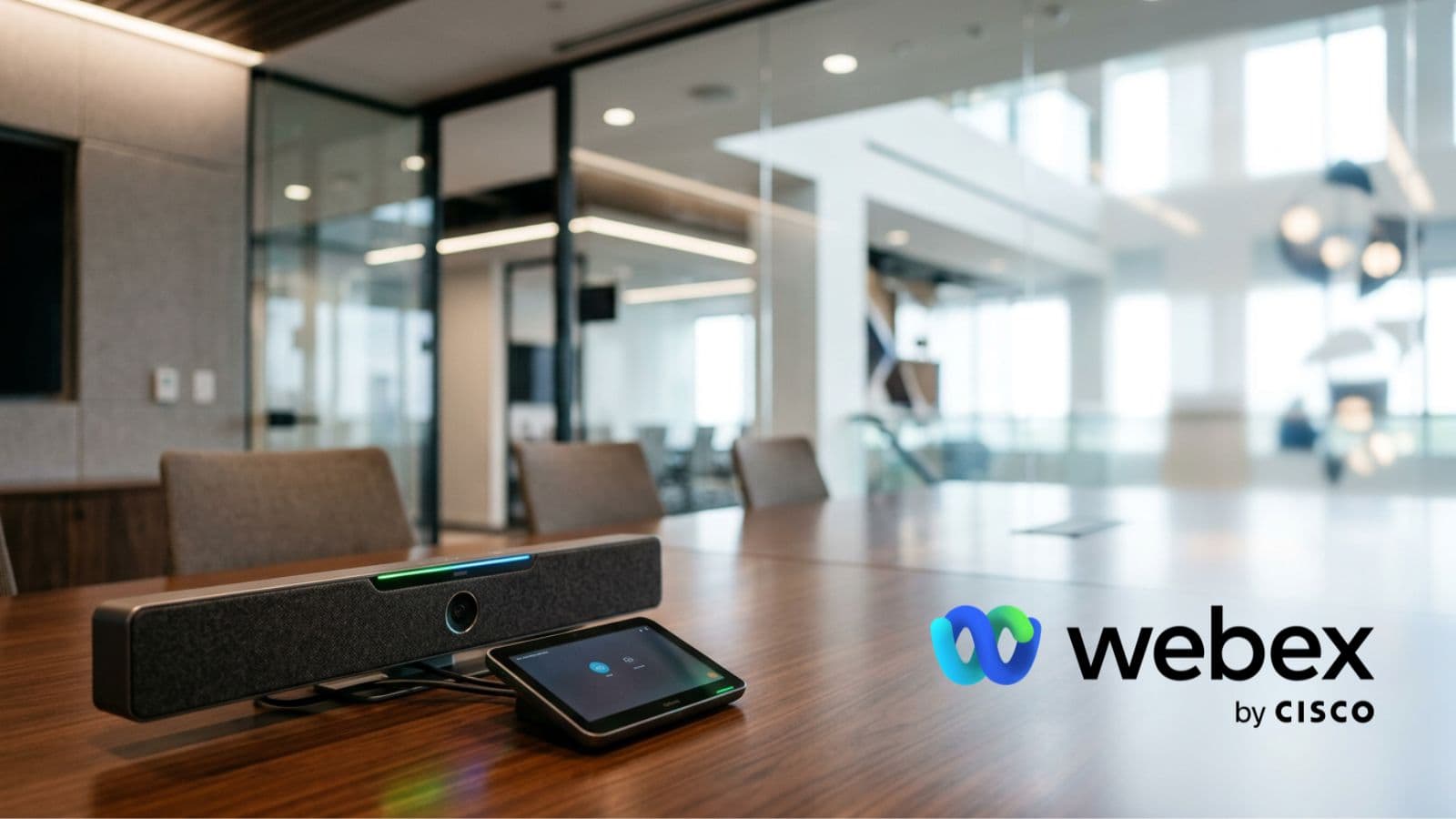
“Some invested significantly in unique, vendor-specific systems such as Cisco but now find that colleagues, customers and partners favour other alternative brands and flavours which do not work well together.
“Organisations have also found that the platform to which they are strategically or contractually wed does not integrate well with Microsoft Teams, for example.
“Our software effectively disguises any conferencing platform’s unique coding and tricks it into thinking it is fully compatible with all systems.
“That enables it to connect and work with any other platform as if it was designed to do so.”
Pexip’s easily scalable solution brings added value too.