
Workplace technology teams face a growing mix of questions: what happens when staff bring camera-equipped AI devices into the office, how meeting-room hardware fits within tightly controlled networks, and how large estates maintain a consistent experience across hundreds of rooms.
This week, we examine why Cortney Harding, founder and CEO of immersive-technology consultancy Friends With Holograms, believes employers should prepare for AI glasses; how Neat is addressing common room-system deployment barriers; and how the University of Manchester is standardising collaboration audio across campus.
AI Glasses Put Workplace Policy in Focus
AI glasses may still be uncommon in offices, but organisations should be planning for the point at which employees begin wearing them to work, according to Cortney Harding, founder and CEO of Friends With Holograms.
“People are going to start wearing these to offices in the next year or so,” Harding told UC Today.
“Companies need to start thinking not only of, ‘How do we proactively deal with this?’ but, ‘How do we reactively deal with this?’”
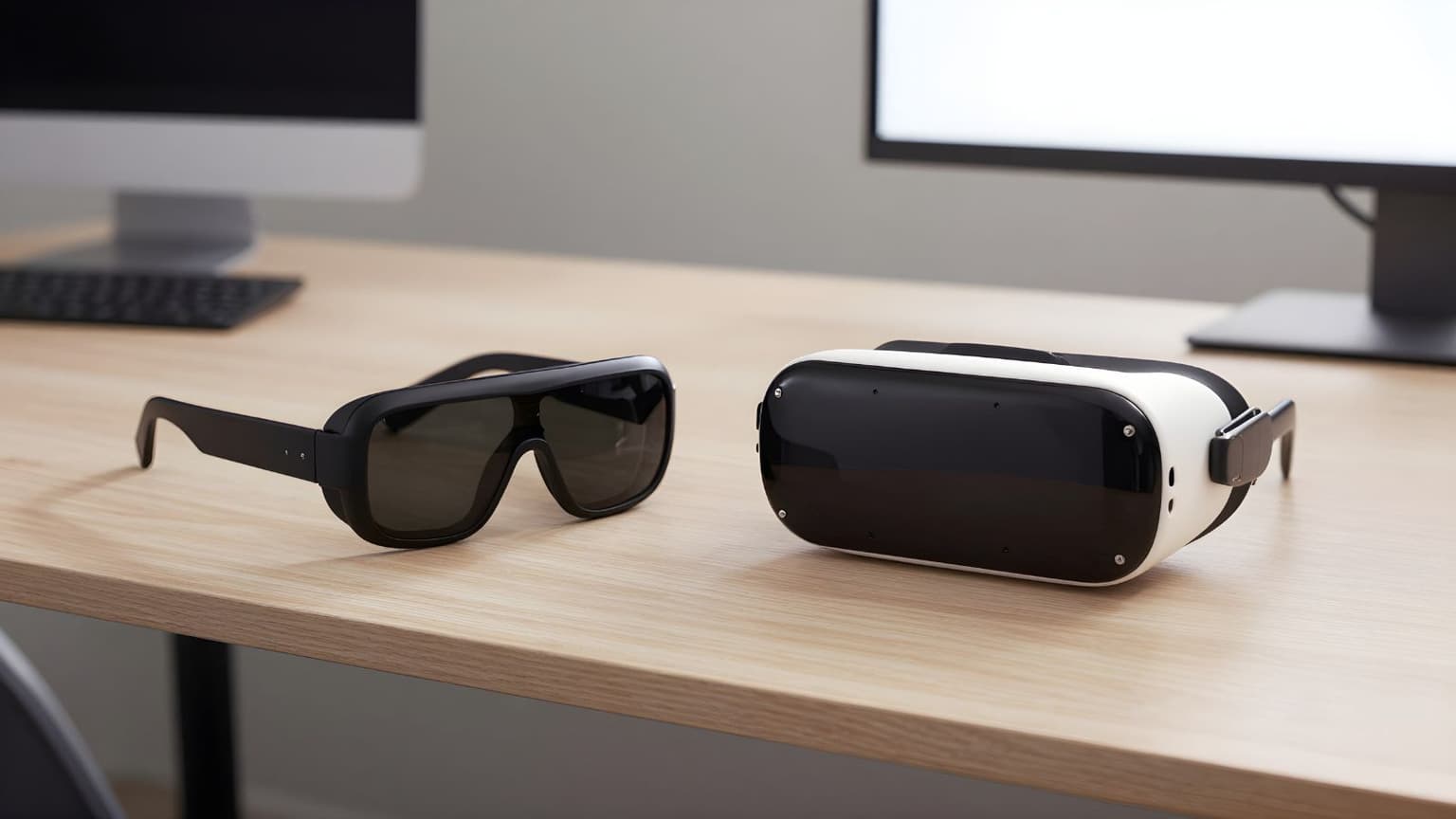
Samsung and Google’s intelligent eyewear combines a camera, microphones, audio, Gemini access and translation features in a form factor designed for everyday use. Harding said the products are better suited to office-based workers than industrial environments, but argued that employers should not wait for widespread adoption before considering their response.
The questions extend beyond whether an employer buys devices itself. BYOD policies may need to address recording in shared spaces, consent, captured data and the use of AI assistants with company information.
Harding argued that blanket restrictions will not be the right answer for most workplaces. “Any workplace that is reflexively banning these or restricting these at this point, unless there is a high, high, high level of confidentiality, is making a mistake,” she said. “We need to move away from bans … to actually figuring out, ‘How do we integrate and control these?’”
For IT teams, the eventual challenge may resemble the management of another mobile endpoint. For workplace leaders, the harder task is setting clear expectations for privacy before the technology becomes routine.
Neat Adds New Deployment Options for Room Devices
Neat has released NeatOS 26.6, adding automatic proxy discovery and manual IP pairing for its meeting-room devices.
The update gives IT teams two options for working within restricted or segmented enterprise networks. With Web Proxy Auto-Discovery enabled, a Neat device can use DHCP Option 252 to locate and apply an organisation’s proxy configuration. That covers outbound traffic to Neat Pulse, meeting-platform services, software updates and diagnostics.
Manual IP pairing provides an alternative where multicast DNS is unavailable or unsuitable. Installers can enter the IP address of a Neat Bar or Neat Board directly on a first- or second-generation Neat Pad, then complete the existing secure pairing process.