Prior to the events of 2020, digital transformation was something that many businesses saw as a nice-to-have or something they could slowly unroll according to their budget and timeline. The pandemic forced organisations to adapt a digital workplace to operate and survive, and now it’s something that many are considering keeping in place for the long-term.
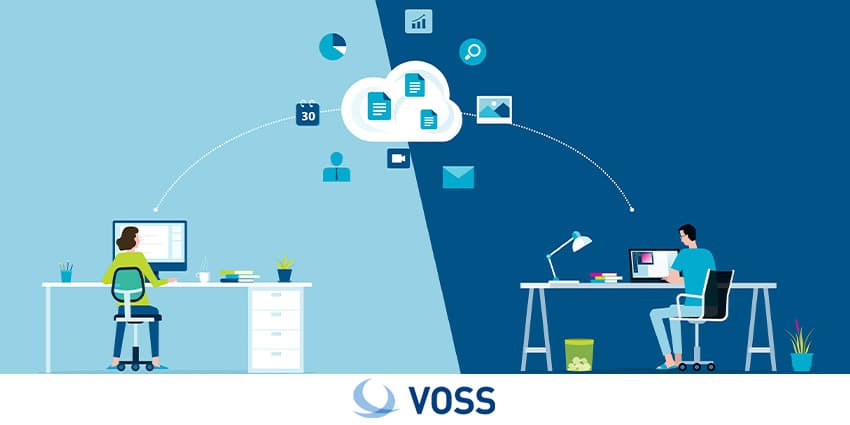
The digital workplace is where an organisation’s employees use collaborative software, such as Microsoft Teams, to work together on projects. Businesses that have been successful in deploying and implementing this kind of digital workplace are now agile, mobile and as efficient working remotely as when it was office-based. However, due to the rapid pace of digital workplace adoption, the challenge for businesses now is to manage and control their UC technology including the integration of enterprise voice.
Automation of the digital workplace is the ideal way to overcome this hurdle for businesses. It provides the ability to introduce zero-touch processes and improve UC management, while also giving an organisation the assurance of better visibility into their environment, according to Tim Jalland, Solution Manager, Microsoft Teams at VOSS Solutions.
“It’s actually quite complex to run a UC service and ensure it's robust and available 24/7; it usually involves a series of manual processes with lots of portals and touch points, plenty of room for manual error, and historically that's how a lot of these systems have been administered. This just doesn't scale and is not consistent with what expectations are now,” he told UC Today.
“The collaboration services that employees use for their day-to-day work now needs to be utility, and to effectively manage that you need a level of automation to run the service effectively.”
Handing a certain amount of control of these UC and collaboration environments to customers also leads to a more a nimble organisation, as they can configure certain aspects to particular users, regardless of where they are working.
“We put control at the fingertips of the customer, as opposed to employees having to raise calls and tickets with service desks,” he added.
“Getting direct access to your own self-service portal allows employees to manage and configure their own Teams environment. The outcome of that is a flexible, agile service and customer satisfaction is higher because they can make the changes and configurations themselves”
Traditionally integration of the digital workplace resulted in data duplication or information ending up scattered across different systems. This often led to inconsistency and inefficiency across the organisation.
With the rise of the digital workplace, integration is more important than ever, Jalland said.