New York’s recent statewide ban on smart glasses in courtrooms may be the first of its kind, but it's not necessarily a radical departure from existing legal principles.
Speaking with UC Today, Beth Fulkerson, Partner and Chair of the Privacy, Data and Cybersecurity Practice at CM Law, said the policy largely reinforces long-established restrictions on recording devices in court settings.
“There’s already a law in courtrooms generally of no recording devices,” Fulkerson said. “We’re just applying, or the New York lawmakers are enforcing, the general policy around an existing law of no recording.”
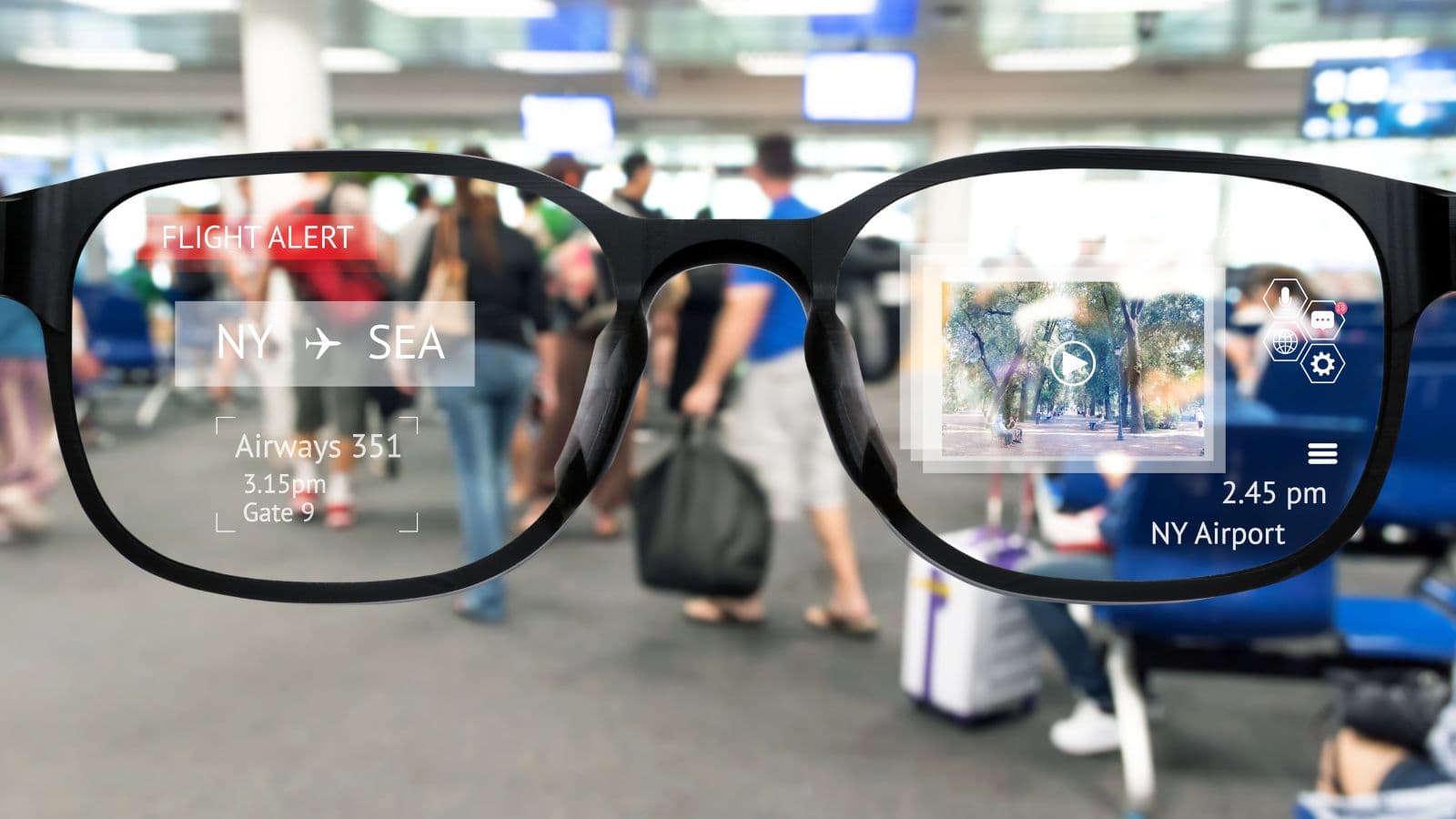
The difference, she explained, is practical. Smart glasses can be inconspicuous, making it difficult for court staff and others to know whether someone is recording audio or video. Rather than attempting to police individual use, the restriction removes the device from the environment entirely.
Workplace Privacy Meets Accessibility Considerations
That concern could extend beyond courtrooms. Fulkerson said employers and institutions need to consider both sides of the risk: employees wearing smart glasses may gain access to confidential information, trade secrets, or colleagues’ personal data, while other employees may have legitimate privacy concerns about being recorded in workplaces, restrooms, or locker rooms.
However, workplace bans are not necessarily straightforward. Smart glasses could provide meaningful accessibility benefits for some employees, creating potential disability-accommodation considerations. Employers must also be careful not to overlook labour-law protections around workplace safety, communication, and whistleblowing.