When Salesforce paid $27.7 billion for Slack in 2021, the bet was that enterprise collaboration would eventually consolidate around CRM data. Five years on, the Summer '26 release marks the moment Salesforce stops waiting for customers to make that choice themselves.
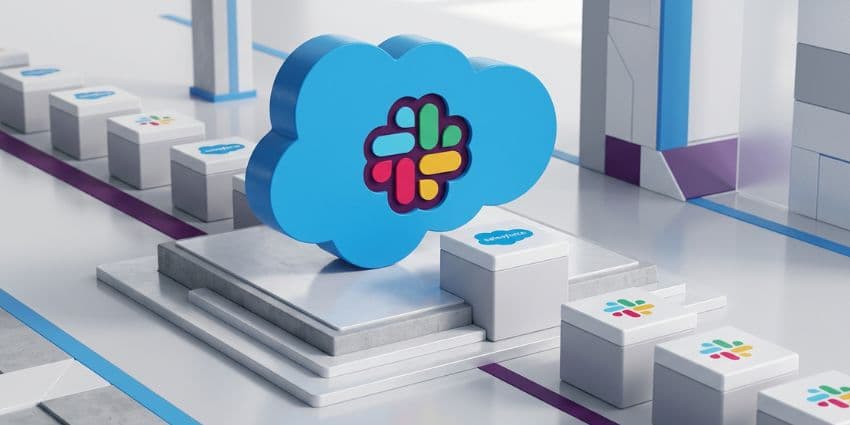
From June 15, a new Salesforce org in Enterprise or Unlimited edition comes with a Slack workspace already built and configured. No separate purchase or setup. The collaboration layer arrives with the CRM.
For IT buyers, the question is no longer whether to evaluate Slack. It is what to do with the workspace that just appeared in their environment.
What Has Changed in Salesforce Summer '26 for Slack
Until now, Slack was a separate purchase decision. Salesforce customers could add it, integrate it, and pay for it independently. New customers started in Salesforce without a Slack workspace and configured one if they chose to.
From Summer '26, any new org created in Enterprise and Unlimited editions gets a Slack workspace automatically created and configured alongside it. Salesforce channels connect CRM records directly to Slack conversations and come set up by default, with no manual configuration required.
Salesforce describes the change as the final piece needed to replace Chatter, the collaboration layer it launched in 2010, with Slack as the default. Chatter is not being removed, but new organisations will work from Slack first.
What It Means for UC and IT Buyers
The more immediate question for IT leaders is what this does to the competitive landscape for enterprise collaboration platforms.
The Summer '26 release frames Slack as a workflow layer running across Agentforce, Sales Cloud, and Service Cloud. Multi-agent orchestration lets agents work together on end-to-end workflows, with shared context across channels so customers do not have to repeat themselves.
For organisations already running Microsoft Teams or Zoom as their primary UC platform, Salesforce is not asking them to switch. Slack's open ecosystem approach via Model Context Protocol means it can sit alongside rather than replace existing tools, but that integration work needs resourcing. An organisation that buys Salesforce Enterprise from this month gets a fully provisioned Slack workspace whether or not they asked for one. That workspace needs an access policy, a governance decision, and a clear answer on whether it runs alongside Teams or replaces it.
For organisations evaluating Slack against Teams or Zoom for their primary collaboration platform, the bundling changes the cost calculation. The separate licensing decision disappears for new Salesforce customers in Enterprise and Unlimited editions.
Salesforce describes the change as the final piece needed to replace Chatter, the collaboration layer it launched in 2010, with Slack as the default. Chatter is not being removed, but new organisations will work from Slack first. Srini Tallapragada, President and Chief Engineering and Customer Success Officer at Salesforce, set out the underlying logic at Dreamforce 2025, as reported by CX Today: