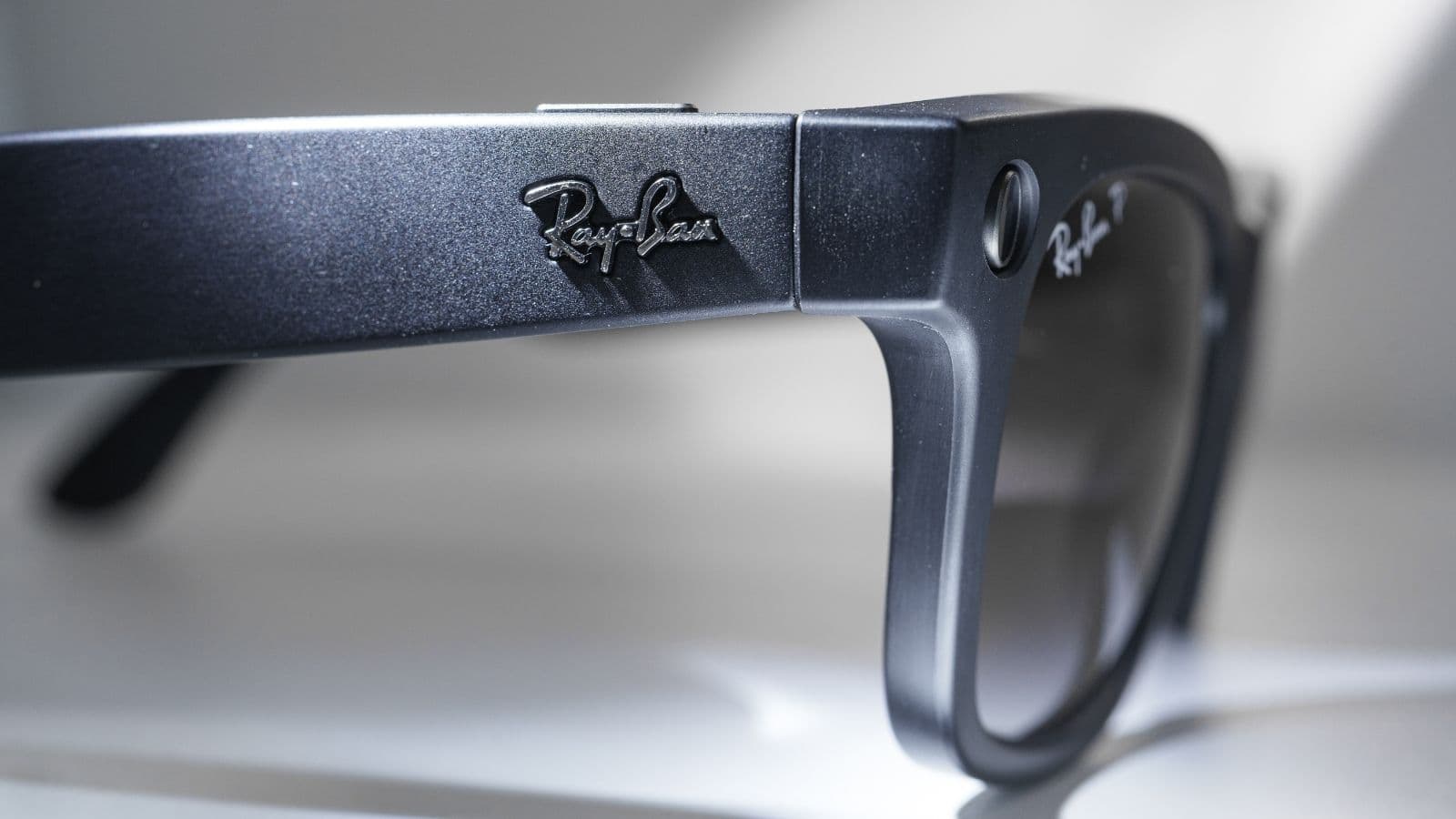
Meta is rolling out another software update for its smart glasses, targeting a workaround that allowed users to keep recording after covering the device’s capture LED.
The update means the camera will now stop working if the light is blocked during a recording. Previously, Meta’s glasses would prevent a user from starting a recording while the LED was covered, but users could begin filming first and obscure the light afterwards.
“The camera won’t start recording if the LED is blocked, but some people try to bypass this by starting a recording and then covering it up,” Meta VP of AR Alex Himel wrote on Threads.
“A fix for this is starting to roll out – the camera will now stop working if the light is covered during a recording.”
It is the second privacy-focused software update Meta has made in less than two months. In July, the company said it would disable the glasses’ cameras if it detected that the capture LED had been physically damaged.
Meta Responds to Another Workaround
The recording light is central to Meta’s argument that its camera-enabled glasses can provide meaningful notice to people nearby.
When the LED illuminates, it is intended to signal that the wearer is taking photographs or filming video. But the indicator has become a target for users looking to record discreetly.
Tutorials demonstrating ways to cover or bypass the light have circulated online, while inexpensive accessories intended to obscure it have also emerged.
Meta said it expects to continue improving the safeguards around the capture light.
“We’re going to keep rolling out updates like this to make sure the capture LED can reliably alert bystanders when photos or videos are being captured for someone’s gallery,” Himel said. “Only a tiny minority of people try to get around these protections, and the fact they have to go to these lengths shows our efforts are working.”
The company is also launching an education and awareness campaign about the glasses’ LED.
A billboard in Los Angeles describes Meta Glasses as “designed for everyone” and “not just the people wearing them,” with the illuminated recording light displayed prominently.
Meta plans to extend the campaign through ads and video in other markets where the glasses have sold strongly.
The Problem Is More Than a Covered Light
The new update addresses one specific evasion method, but it does not end the wider concern about how smart glasses alter the experience of being recorded.
Unlike a smartphone, glasses do not require a person to lift, point or hold a visible device in front of them. The camera is embedded in something that looks like ordinary eyewear, reducing the social cues that normally tell people they may be on camera.
Speaking to UC Today, Jakub Zientala, founder of EU public affairs consultancy Ungovern, said that is the core challenge for smart-glasses manufacturers and policymakers.