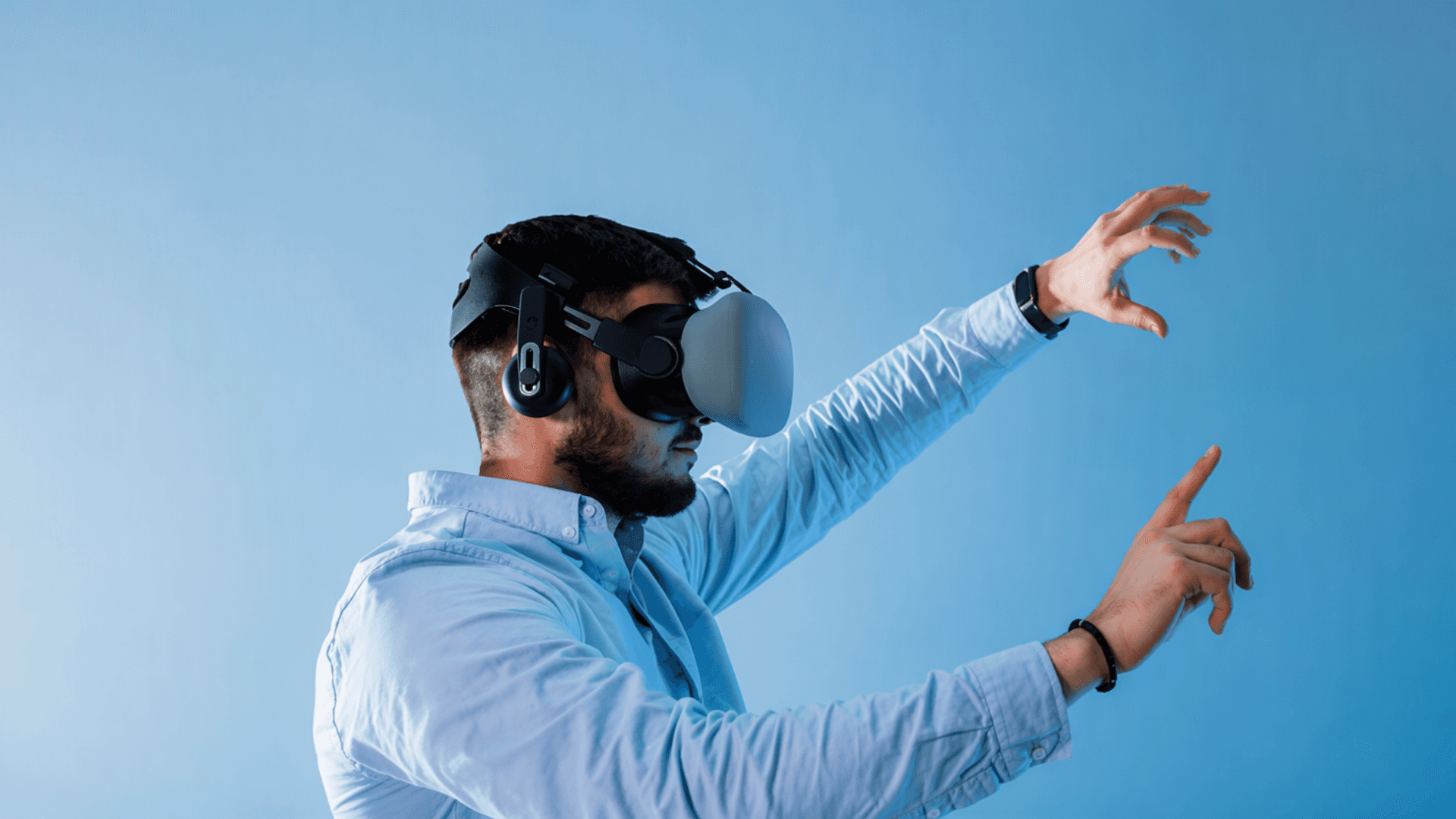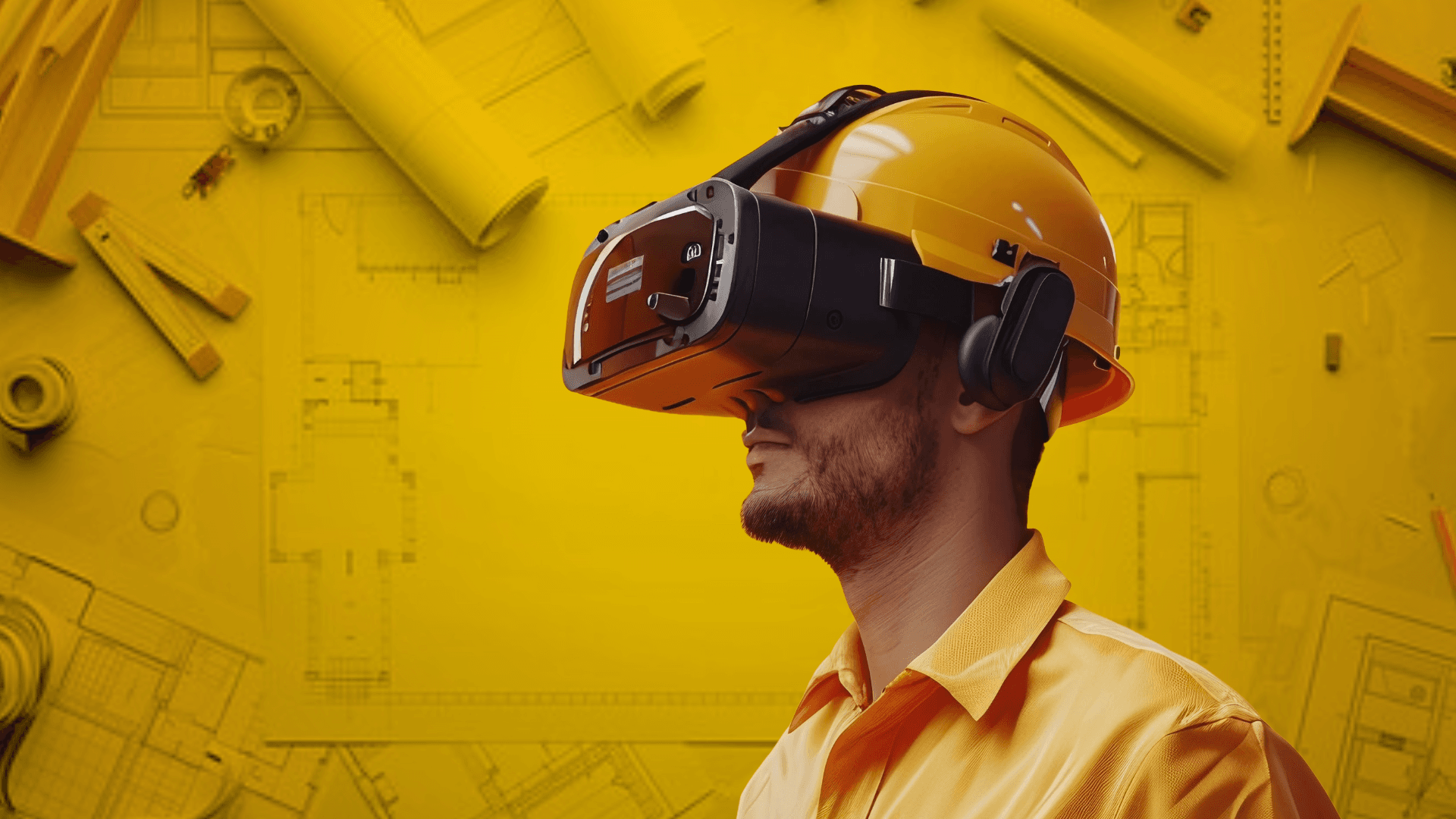


Workforce training has a scale problem. Technical roles require learners to understand complex equipment, follow precise processes and demonstrate competence before working independently. Yet physical training environments can be expensive to build, difficult to schedule and limited by the availability of equipment and expert instructors.
That creates an opening for extended reality (XR), the umbrella term for virtual, augmented and mixed reality technologies. Its promise is not simply a more engaging training experience. For employers, the commercial case is whether immersive systems can standardize how practical knowledge is delivered, practiced and evaluated across dispersed teams.
EON Reality’s latest update to its EON XR Infinite platform is an example of that shift. The company has announced a new technical and vocational learning library for air conditioning and refrigeration, electrical technology, mechatronics, and mechanical and electrical services. The content is due to become available to EON XR Infinite customers in January 2027.
TL;DR
EON Reality is expanding EON XR Infinite with simulated technical-skills training for four trade areas.
The platform’s model combines AI-guided instruction, simulated practice and assessment, which could automate parts of the training workflow.
For buyers, the key test is whether a platform can evidence real-world competence, rather than only completion of digital lessons.
Why Is Technical Training Becoming a Workflow Problem?
Many enterprise learning systems are designed to distribute knowledge, track course completion and issue certifications. That model works reasonably well for policy training and theoretical instruction. It is less straightforward when the job requires someone to diagnose a fault, assemble equipment, follow a safety procedure or use specialist tools correctly.
Traditional technical training often depends on a chain of scarce resources: instructors, physical equipment, appropriate facilities and time away from operations. A learner may receive different guidance depending on location or instructor. Employers can track attendance, but proving that a person can safely perform a task in the field is harder.
That is the workflow gap immersive learning vendors are trying to address. Rather than treating XR as a standalone virtual reality experience, platforms increasingly position it as a structured process: capture expert knowledge, turn it into a simulated procedure, guide a learner through it and record evidence of performance.
AI-ASSISTED IMMERSIVE LEARNING
AI-assisted immersive learning combines simulated 3D environments with artificial intelligence-based guidance or assessment. In practice, it can show workers how a procedure should be performed, let them practice steps in a digital environment and evaluate elements of their performance before they undertake the task in the real world.
The ambition is significant. If repeatable simulations can reduce dependence on a limited number of instructors or physical training rigs, learning teams may be able to deliver more consistent programs across sites. But the technology does not remove the need for practical validation. In high-consequence settings, a simulated assessment is likely to be one part of a broader competency process, not its replacement.
What Is EON Reality Actually Adding?
In an announcement published on October 16th, EON Reality said its new EON XR Infinite content will cover air conditioning and refrigeration, electrical technology, mechatronics, and mechanical and electrical services.
The vendor describes each lesson as a hands-on simulation delivered through three modes: “Show me,” “Let me do it” and “Evaluate me.” A photorealistic artificial intelligence instructor is intended to guide learners, while built-in quizzes and performance analysis aim to assess how they complete simulated practical tasks.
The company also says its 3D model library is now eight times larger than before, and that missing equipment can be created from a text prompt or photographs. EON has not provided independent validation of those claims, nor detailed how the assessment measures map to employer-specific competency standards.
Crucially, the expanded library is not available today. EON says it will launch in January 2027. The announcement also says the lessons will run across headsets, personal computers and displays without requiring a plug-in.
That device flexibility may matter more to many buyers than the visual experience itself. Headsets can enable deeper immersion for particular tasks, but PC and display access can make a program available to employees who do not have a headset, or where one-to-one device distribution is impractical.
KEY TAKEAWAY
EON’s announcement is about more than new XR lessons. It is an attempt to automate the training sequence itself: instruction, practice, evaluation and performance data. The features are announced for January 2027, and the vendor has not yet published independent evidence of skills or cost outcomes.
How Much of the Training Workflow Can Be Automated?
Automation in technical learning should not be confused with removing people from the process. The more realistic application is to automate repeatable parts of training while reserving instructors and supervisors for coaching, exceptions and real-world sign-off.
In EON’s proposed workflow, the AI instructor could provide consistent explanations and demonstrations. Simulation could give learners space to repeat a task before touching physical equipment. Automated assessment could provide a record of what the learner did inside the environment.
For a workforce-development leader, that could make training more measurable. Instead of relying only on completion records, teams could potentially compare attempts, identify recurring mistakes and focus instructor time where it is most needed.
However, an employer should distinguish between evidence that someone has navigated a digital scenario and evidence that they can perform safely under real operating conditions. A platform can standardize the simulated environment. It cannot, by itself, capture every variable of a live workplace, including equipment condition, environmental risk or the judgment required when a process does not follow the expected path.
Dan Lejerskar, Founder of EON AI Ventures and EON Reality, said: “Skilled trades are where the world’s shortage is sharpest. This library lets any school or employer train technicians hands-on, at scale, for a fraction of what physical simulators cost.”