Deltapath is making a push to win business from Avaya customers amid the latter’s bankruptcy filing and the company's end-of-life announcements, according to Deltapath Founder and CEO David Liu.
Speaking to UC Today, Liu said that many organizations face decisions as Avaya’s Aura 8 offering approaches end of support later this year.
This is while speculation swirls regarding how the Avaya business will look in the future.
Deltapath sees an opportunity to expand Its customer base with Avaya’s customers who might be considering a switch to a new platform, Liu explained.
"UC platforms are mission-critical to enterprises and require continual maintenance, especially with security updates,” he said.
"IT managers still have options because Deltapath has solutions to keep enterprises running with Avaya deployments.”
Deltapath’s proposition is that companies migrate from Aura 8 to its own platform. A key benefit here is that Deltapath will support all Avaya endpoints – minimizing expense for the organization. To help support a wide variety of existing architecture, customer has the option to choose from deploying their own virtual machines, spin up an instance in their favorite cloud provider such as Azure or AWS or even a dedicated server appliance.
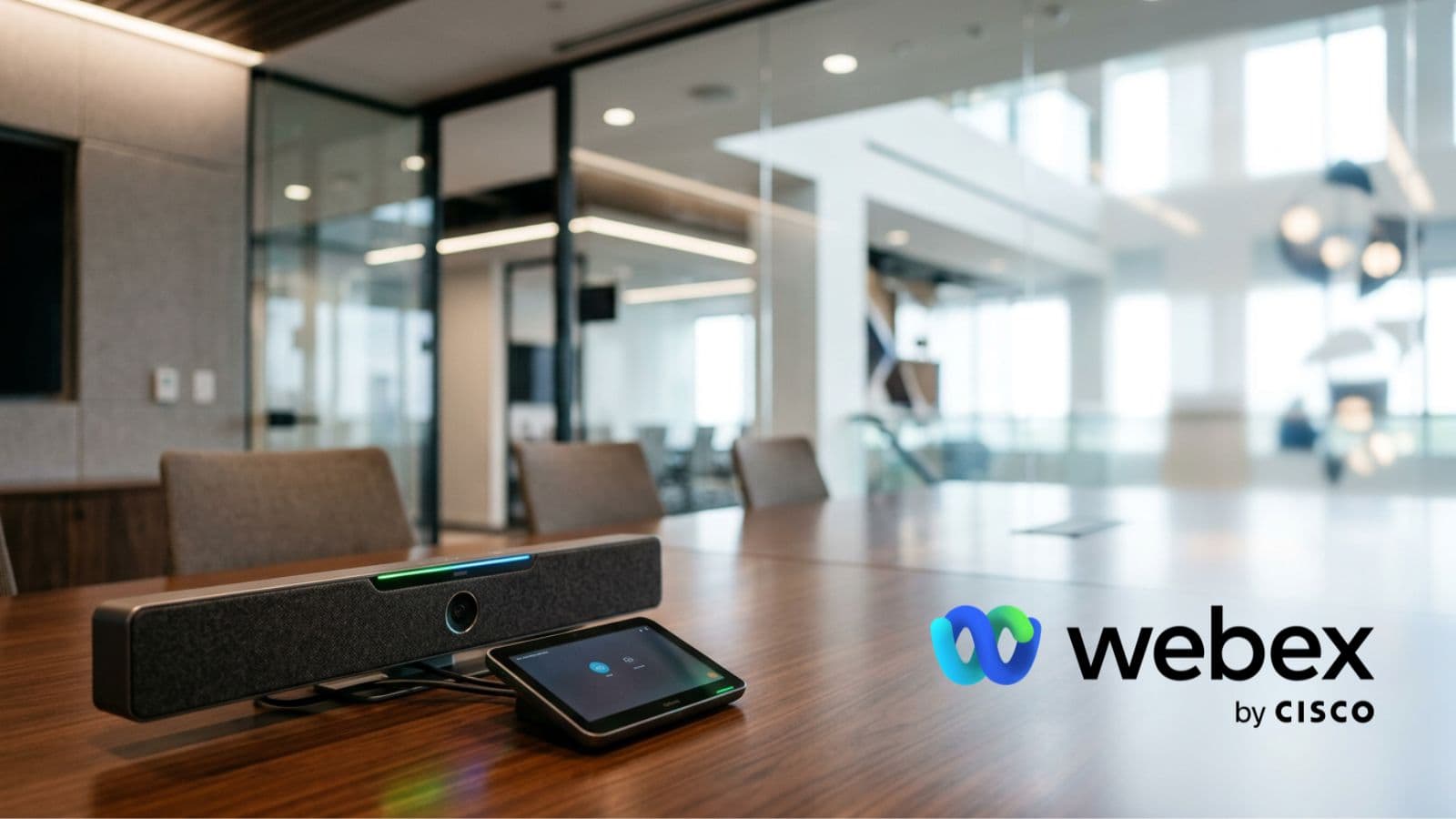
The firm does something similar with other providers, such as Cisco, to help businesses retain as much value from their existing hardware investment as possible.
Avaya phone sets work natively on the Deltapath UC platform, significantly reducing the cost of migrating to a new platform. There also means there’s no need to retrain employees on a new system.