Collaboration has always been a valuable part of running a successful company. However, the way that we approach collaboration has changed. In the age of digital transformation, we're discovering that there's more to collaboration than just keeping humans connected. We also need a way to build the relationships with have with machines, processes, and digital context too.
In a world where modern workflows are growing incredibly complex, Cisco, one of the leaders in communication and collaboration solutions, found that 95% of workers believe that they can benefit from using artificial intelligence to streamline their daily tasks. What's more, another 53% of people in a Dimensional Research study said that smart meeting rooms would have the potential to improve business processes.
As a result, Cisco began building a way for people to start working more intelligently, both with their human peers and with their digital tools. The age of cognitive collaboration is here.
Is Cognitive Collaboration All About AI?
According to Intrado (previously West UC), companies and salespeople alike are still in the beginning stages of their new relationship with artificial intelligence. Many innovators are still missing the point of AI because they see it as some exciting new trend to be a part of, rather than part of a comprehensive solution for solving existing problems.
With its new Cognitive Collaboration strategy, Cisco aims to dive deeper into the reality of what companies can accomplish when they bring intelligence into collaboration. According to the SVP of Cisco Collaboration, Amy Chang, there's more to cognitive collaboration than machine learning and artificial intelligence - although those are crucial factors. Instated, cognitive collaboration is about bringing context and intelligence into everyday interactions.
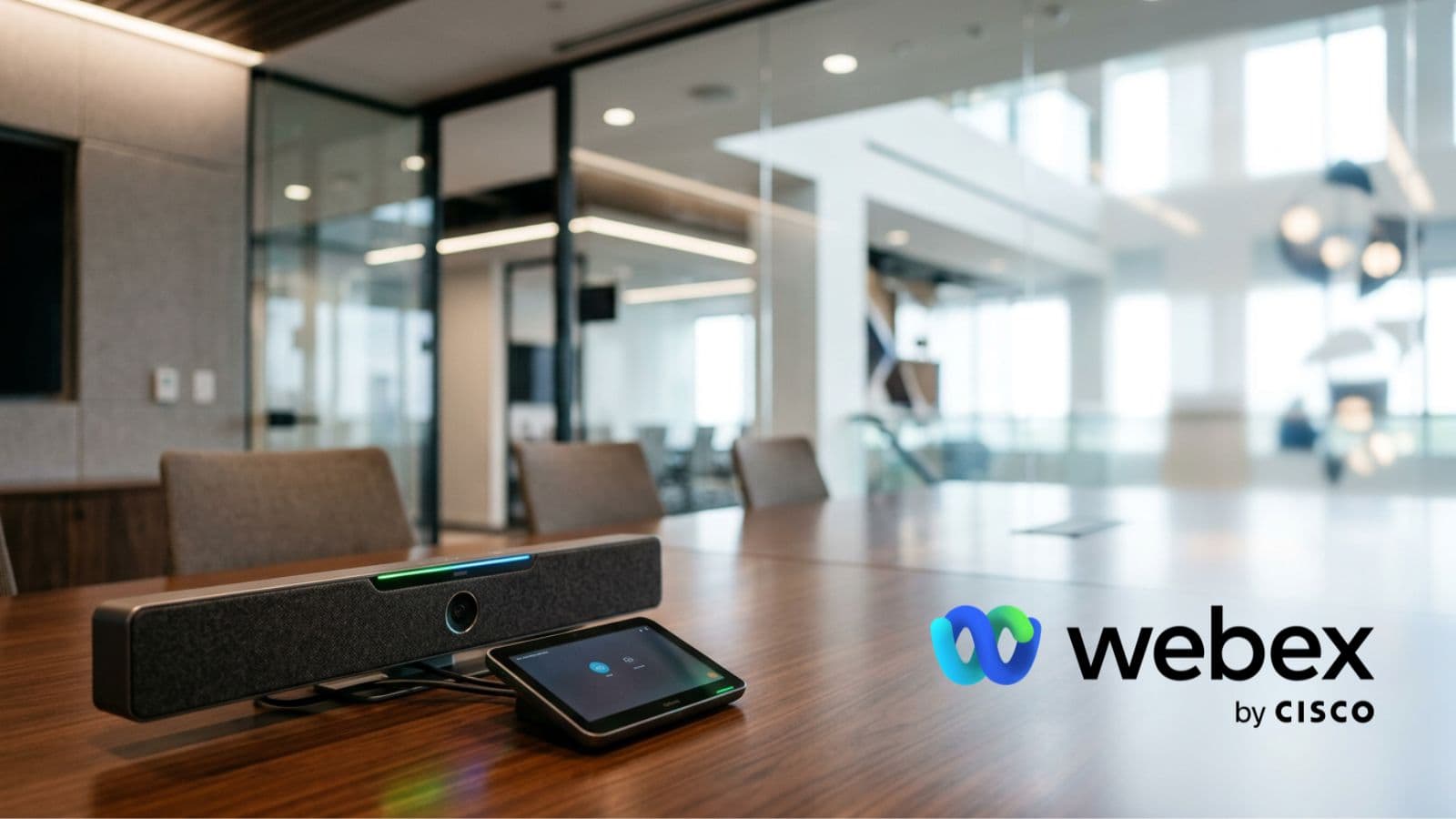
We know that collaboration is all about connecting people in a team so that they can work efficiently towards a specific outcome. However, cognitive collaboration makes those interactions more intelligent and streamlined. It's about making it just as easy to have a valuable conversation and get work done, regardless of whether you're in the same office, dispersed around the world, or on the move. Cisco is applying the idea of cognitive collaboration across every aspect of the collaboration portfolio, from meeting room hardware and software to services for messaging, telephony, and more.
Why Does Collaboration Need to Be Cognitive?
Collaboration in the cloud has become an increasingly crucial topic in the modern marketplace. As people have started to work in new and flexible ways, we've needed to discover more flexible, mobile tools that can support teamwork in any environment. Although progress is happening, people are still feeling frustrated with the current state of their day-to-day meetings. 85% of people according to Cisco, are frustrated by their digital meeting environments.
Cognitive collaboration is Cisco's method of solving some of the most common problems that today's collaborative teams face. For instance, according to Cisco's most recent research:
- Around 30% of respondents spent up to 5 hours a week search for information about the people and companies they're meeting with
- 50% of people say that they don't get enough information about the people they're connecting with online from LinkedIn
- 1 in 4 people spend more than half of their days in video and audio meetings every day
- 43% of people have felt frustrated by the inability to easily join a meeting
- One third of respondents say that they struggle to connect their devices to the screen in the meeting room
Cisco believes that the solution to problems like this isn't just an intelligent meeting room packed full of AI. It's an entire approach to collaboration that's focused around "cognition."
How Can Companies Get Started with Cognitive Collaboration?
So, how do companies get started with a new "cognitive" collaboration initiative? According to Intrado, the conversation needs to start with an insight into the problems and challenges that the company wants to overcome. Artificial Intelligence isn't just a buzzword that companies need to embrace to be "hip" and fresh. Although AI has countless benefits to offer, those advantages can only be realised when vendors and partners know how to work backwards from an existing goal or challenge with their customer.
For instance, in a larger business environment, employees might have a hard time figuring out who to turn to for help when they're struggling with a complex customer problem. Having the right tools in place like Cisco Webex Teams and Meeting means that the employee can reach out to a colleague quickly and conveniently, but it takes an extra dose of intelligence or "cognition" for that user to figure out which team member they need to work with.
AI-infused solutions like People Insights within the Cisco environment could solve the problem of figuring out who to connect with, and therefore streamline the collaboration experience. When users can open a tab in their meeting environment and find out what specialities and talents each member of their group has, it's easy to figure out who to reach out to about a specific problem. Through cognitive collaboration, vendors like Cisco and partners like Intrado are going beyond the basic software and hardware of the collaborative environment, to create a mesh of intelligence that makes every interaction more efficient, and valuable.
What Are the Outcomes of Cognitive Collaboration?
People need technology that understands what's happening in the business and can react accordingly. Cognitive collaboration is technology that can combine the best in AI with machine learning and natural language processing, to remove the guesswork and confusion from daily interactions. Cisco cognitive collaboration supports the evolution of the new workplace.