The latest Cisco earnings report makes for remarkably complex reading. Chronciling its Q2 FY 2026 results, the networking and collaboration giant delivered what looked like a triumph in execution. Record revenue of $15.3 billion, up 10 percent year-over-year, and a significant beat on earnings per share.
However, the operational narrative was dominated not by steady-state switching, but by a violent rotation of capital toward AI infrastructure. The headline figure was $2.1 billion in AI orders from hyperscalers, a single-quarter haul that matched the entire previous fiscal year.
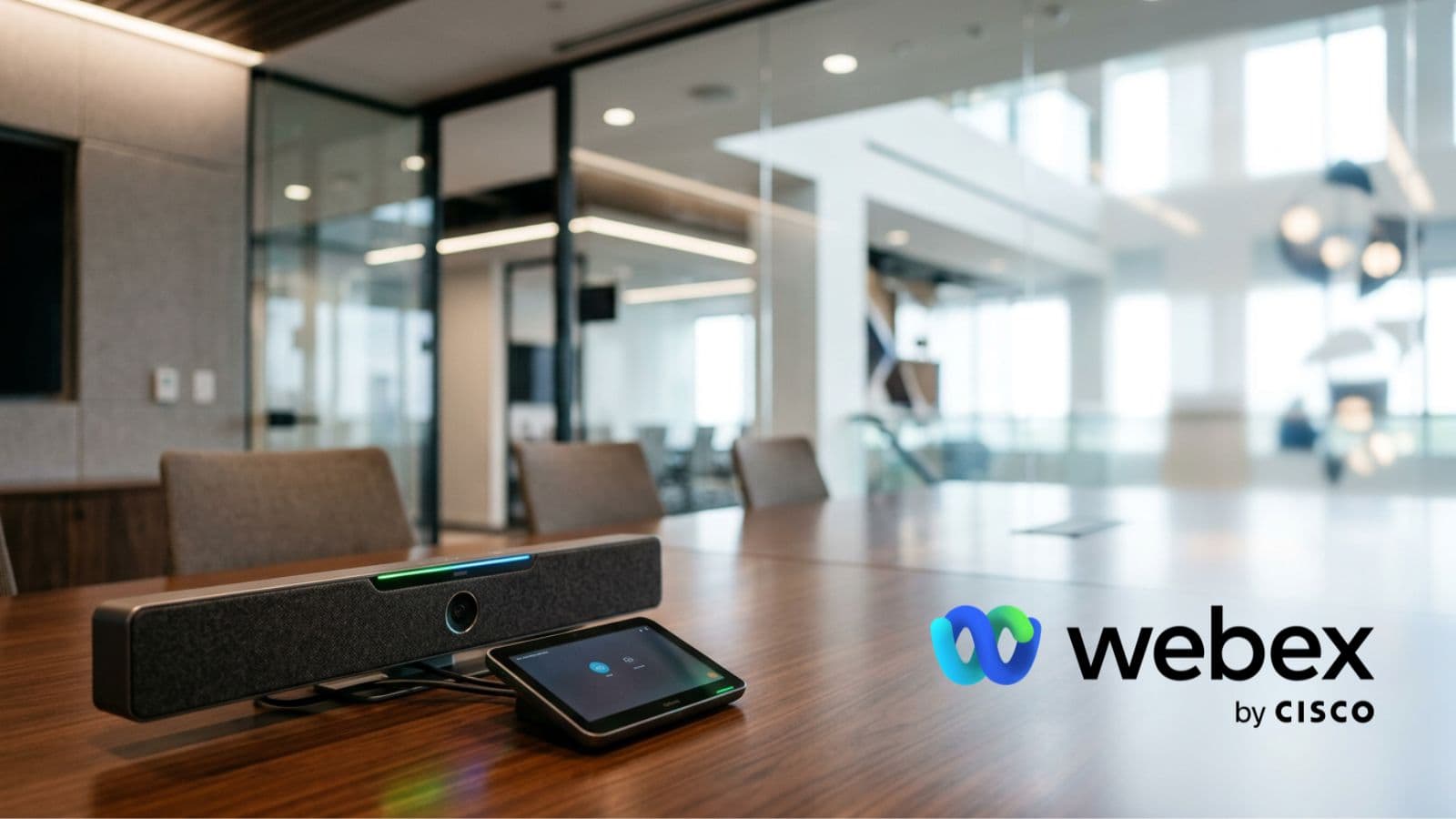
This surge is bleeding into the broader enterprise portfolio, specifically within the Collaboration unit, which posted a modestly healthy six percent growth. Additionally, there was double-digit growth in devices, potentially signalling that the "return to office" mandate is finally translating into hard currency, as enterprises rip out legacy endpoints to install AI-capable hardware. The integration of Webex Suite and Cloud Contact Center continues to drive steady subscription revenue, but the hardware spike suggests a physical retrofit of the modern meeting room is underway to support bandwidth-hungry video and agentic AI workloads.
Chuck Robbins, Chair and CEO of Cisco, framed this as a fundamental architectural shift rather than a temporary bump. He argued that the current enterprise stack is simply too brittle for the intelligence layer companies are trying to build on top of it.
"Legacy infrastructure was not designed for the performance, speed and security needs of AI... Our strong first half of FY '26 demonstrates both the power of our portfolio and the fundamental role we play in this once-in-a-generation transition."
This "refresh cycle" is visible across the board, with networking product orders accelerating to over 20 percent year-over-year. For the Collaboration and Webex teams, this is a rising tide. As network pipes are upgraded to 800G and beyond to support AI models, endpoints and edge collaboration software are being pulled along for the ride.
- Half Human, Half AI: Cisco Builds the Operational Layer for the Blended Workforce
- Cisco Launches 360 Partner Program, Sharpening Channel Differentiation in the AI Era
The Financial Disconnect Behind Cisco's Latest Earnings
Despite these operational fireworks, the market’s reaction was punishing, with Cisco’s stock tumbling over 10 percent in the immediate aftermath of the report. This creates a fascinating paradox for the financial observer. How does a company beat earnings, raise its dividend, and secure record AI orders, only to lose billions in market capitalization overnight?
The answer lies in an expectations mismatch regarding the velocity of AI returns. While $2.1 billion in AI orders is objectively strong, Wall Street’s appetite for AI growth is currently insatiable. Investors were looking for an explosive forecast. Instead, Cisco provided Q3 guidance that merely matched analyst estimates. In the vastly overheated AI economy of 2026, "meeting expectations" is often treated as a miss.
Furthermore, Robbins admitted that significant revenue from "sovereign clouds" and "neoclouds" is largely a fiscal year 2027 story, pushing the payoff further down the road than impatient traders hoped.