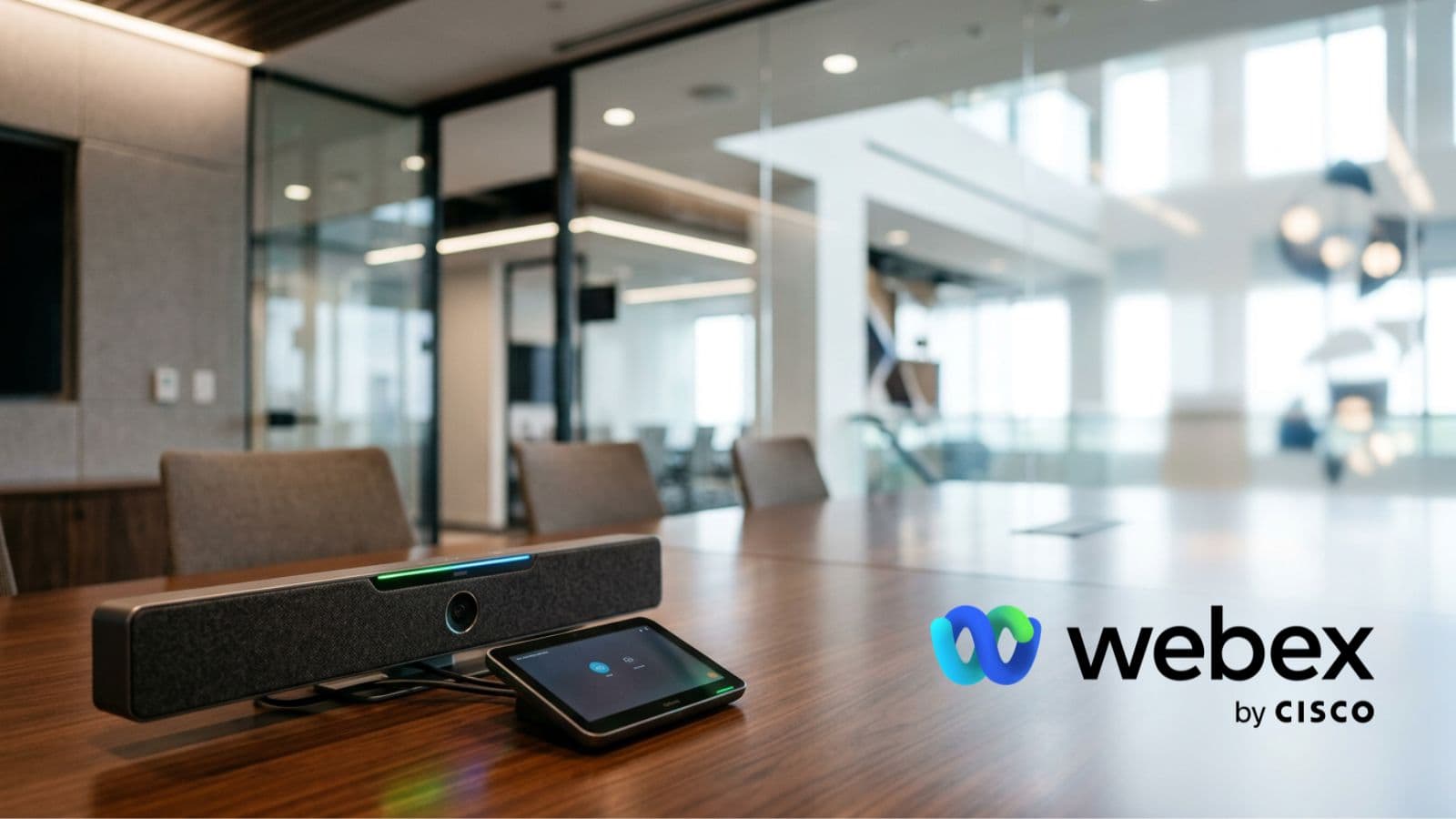
Direct synchronous video communication has always been a critical part of the UCaaS toolkit, but right now the demand for it has never been greater — as more and more organisations suddenly need to experiment with brand new online-only approaches to collaboration.
And as they turn to their telco providers, eager for an all-in-one immediately deployable solution, for some a robust video product is still missing from the jigsaw puzzle — according to Jason Martin, President & CEO of iotum, when I spoke to him about the benefits of their Callbridge virtual meeting platform:
“A lot of vendors have a WebRTC product, but it’s not supported by a good network. Or they’ve got a private label of Webex or Zoom or some older product, that they’ve put out there as their own. But we’ve put together a mesh network with points-of-presence around the globe, and an MPLS network between those points, so there is consistency and robustness to the video offering.
We’ve created this WebRTC offering that’s very contemporary and quite bleeding edge”, he explained. “Older technology really can’t compete with what’s available these days.”
The evolution of video in UCaaS
Indeed, the speed of evolution of video calling in recent years has been breathtaking, alongside consistency of connectivity which only raises expectations — the clunky stuttering ‘conferencing’ applications of the past simply no longer cut it. So, it’s not surprising that channel partners turn to trusted names in the industry — but as Martin points out there are unexpected downsides to offering a ‘powered by…’ solution to your clients:
“If you’re a PBX provider and continually providing value to your customers, using one of these third parties provides a kind of ‘Trojan Horse’ into your customer base, that takes clients away from your channel.” So, the big videoconferencing brands with multi-million dollar marketing budgets are able to lure away users from their “partners” in this way, by forcing them back to their own portals, to log in and out of calls, and upgrade. “They’ve clearly indicated their intention to disintermediate the channel, and they’re being very effective at it. Those users are not coming back.”
Because it’s a competitive marketplace, even while it’s rapidly growing, and in 2020 channel partners need to raise their game to win and keep business.
“The idea that you can rely on a plastic phone on your desktop as your value proposition is no longer compelling”, Martin points out
“But the good news is, these channel partners have the relationship with their customers — they just need to be competitive with what’s being offered in the market.”