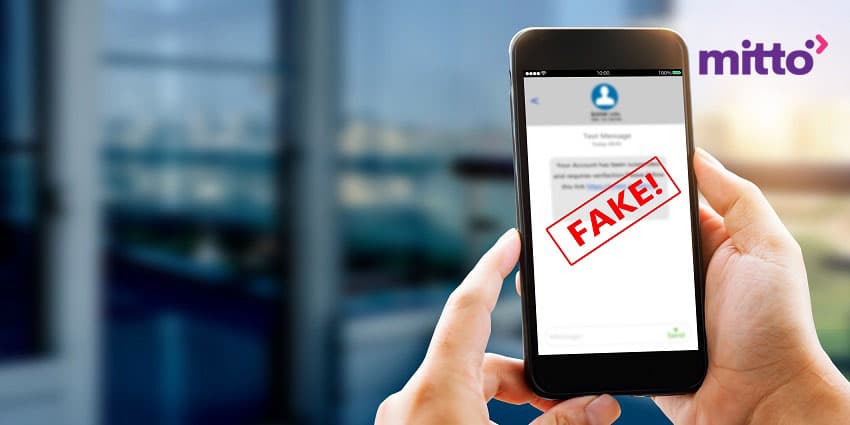
Rogue aggregators, fake accounts, fortunes lost: the fraudulent and organized sending of bogus SMS messages costs brands billions annually.
It’s not surprising given the boom in mobile phone applications.
One Time Password (OTP) authentication via SMS is the most common authentication method used globally for enterprises.
However, with all of that enhanced app-powered convenience for consumers comes increased opportunities for cybercriminals.
One of their more recent scams - Artificial Inflated Traffic (AIT) - is a significant contributor to an estimated $39 billion lost to US telecom fraud last year. AIT - where enterprises pay for authentication or other SMS traffic for fake users that don’t exist - can drain money from businesses, especially those that send high volumes of SMS. Enterprises with the largest user bases, such as big tech companies with millions or billions of users, are affected the most. In early 2023, one massive tech brand reported that it may have lost $60 million per year to bogus bot-generated traffic.
Everyone knows that cybercrime is virtually impossible to eradicate completely, but it is possible to mitigate effectively against the threat of AIT. To do so, enterprises and their IT service providers must partner with vendors with the tools and the know-how to strike back.
“AIT not only negatively impacts a company’s SMS costs, it can also severely damage customer trust levels and brand reputation – any investment that helps to prevent those things from occurring will deliver a swift return,” says Luca Sacanna, Head of Carrier Relations at Mitto, a leading provider of global omnichannel communications solutions, whose powerful, real-time traffic monitoring tools are a perfect example.
“Businesses should not take a chance on letting the problem continue. They should do all they can to put an end to bad actors hurting their brand.”
One of the most common types of AIT for SMS begins with fraudsters using bots to create fake customer accounts that require OTP authentication. Since OTPs aren’t considered spam by mobile network operators, firewalls that protect against certain types of spam are bypassed. By collaborating with a rogue SMS aggregator, artificial traffic can be separated from the genuine to mask any apparent abnormality, or it can be allowed to go through to meet unrealistic traffic volume commitments they may have with a network operator. Although the rogue aggregator fails to deliver a portion of SMS messages, it charges the customer and shares the spoils with its criminal partners.