Collaboration is a term that we constantly see in the business space these days.
Companies have realised that if they want to get ahead of the competition, they need more than just the right communication. They also need a way for their team members to connect efficiently and effectively too. Cognitive collaboration is a concept introduced by leading communication company Cisco, to support the changing nature of the modern workplace.
Cognitive collaboration is a concept that combines the creativity and empathy of the human workforce, with the accuracy and speed of artificial intelligence and machine learning. You get the best of both worlds in one environment. With cognitive collaboration, businesses can augment agent experiences by giving them access to the information and tools they need to transform customer experiences and drive more productive moments.
So, how do you start implementing cognitive collaboration into your workplace?
1. Plan Your Strategy
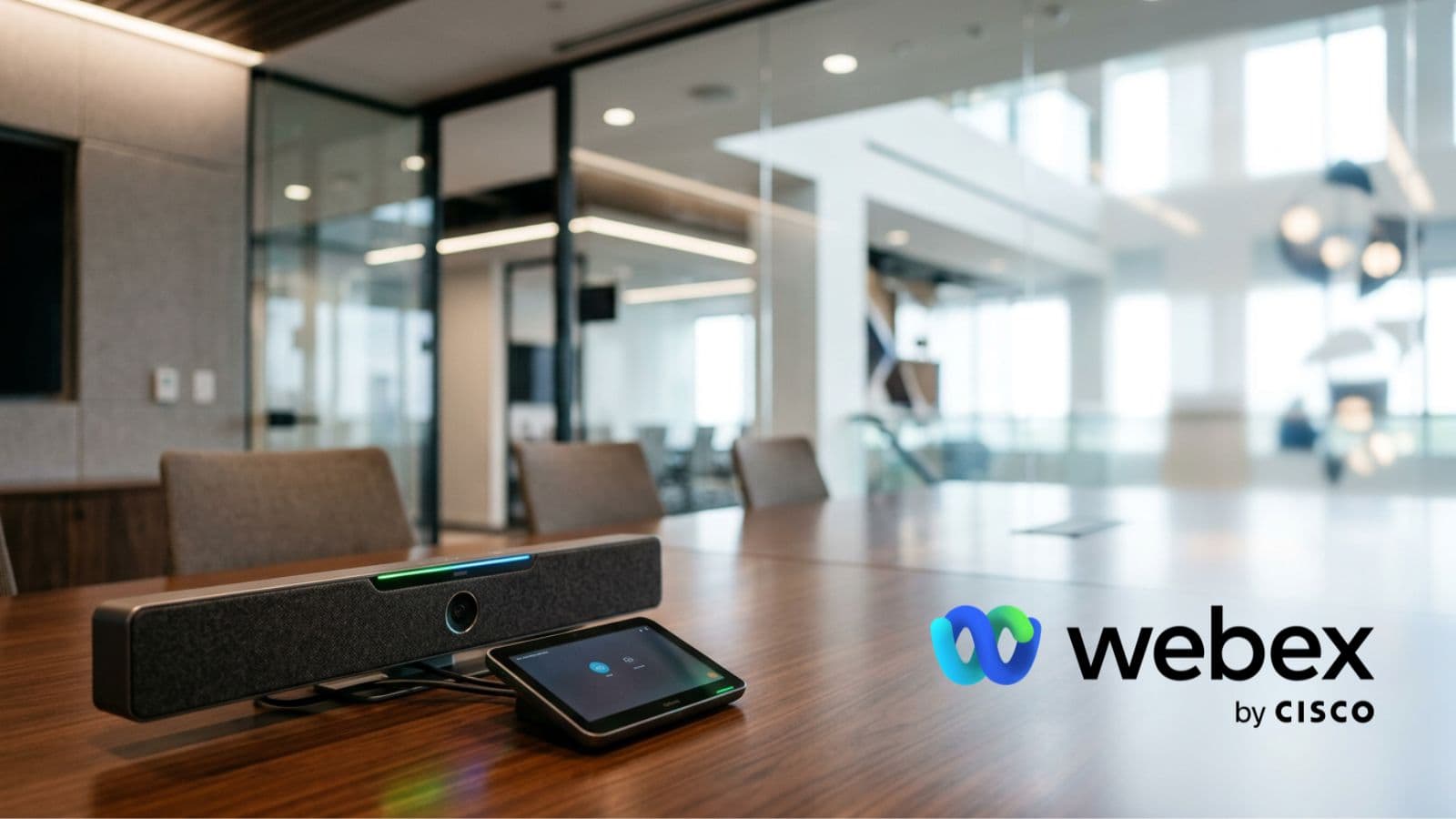
The benefits of cognitive collaboration are clear. Businesses that bring intelligence into their communication experience can reap the advantages of a more informed team. Tools like People Insights can drive more meaningful conversations between people who understand the talents and skills of the colleagues that they're interacting with. Intelligent meeting rooms with virtual assistants and bots allow work to be completed faster in a time when productivity and efficiency are crucial.
However, just because your company can see the value of cognitive collaboration, doesn't mean that you'll be ready to rip and replace your entire ecosystem just to unlock these new advantages. Many businesses, particularly larger enterprises have existing investments in technology that they're not ready to give up yet. This means that it's important to think about how you're going to build on top of your existing developments, rather than just replacing them.
Cisco partners like Intrado can help companies with existing investments to think about how they can create a Next-gen conferencing, collaboration and meeting room experience through hybrid deployments. Increasingly, the Cisco stack is proving it's ability to integrate with other solutions from Poly, Microsoft, and other leading vendors. Working with Intrado, companies will be able to decide which of their existing investments they want to keep hold of as they move into the future.
2. Introduce the Benefits to your Team
Embracing cognitive collaboration also means exploring the potential of artificial intelligence and machine learning. For some businesses, this can be a worrisome concept. There are still employees out there that believe intelligent bots will one day take over their jobs. To increase adoption and improve the sentiment towards cognitive collaboration in your business, it's essential to explain the benefits to your team.
Let your team members know that combining tools like artificial intelligence, advanced algorithms, and natural language processing will give them access to useful, contextual insights as they perform their tasks each day. This will help them to overcome the common friction points that might slow down their performance. Currently, 53% of businesses believe that intelligent meeting rooms will be vital to improving their business processes.
Remind your people that the digital assistants and AI that you bring into the workforce will be there to empower them, not replace them. Although it may take some time to transform your company culture, helping team members to embrace the benefits of AI will help your migration to move faster.
At the same time, it's worth remembering that embracing a next-gen collaboration strategy doesn't have to mean starting from scratch. It can be easier to drive adoption in a business when your team members understand that they won't necessarily need to give up on things like Microsoft productivity tools, Poly endpoints, and Lifesize tools, just so that they can move into the next level of their relationship with Cisco.
3. Set Goals for Your Cognitive Collaboration
Once your team members understand the benefits of cognitive collaboration to them and your business, the next step is to establish some goals. Whenever you're rolling out new technology for your company, it's always helpful to have a vision of what you want to achieve with those new solutions. Considering what you want to accomplish will help you to track your progress more effectively over time.
For instance, cognitive collaboration is a great way to foster deeper relationships between your team members through things like people profiles. Your goal may be to improve the company culture in your workforce. In that case, you can measure staff turnover, employee satisfaction levels, and overall productivity. Another option may be to set a goal for greater efficiency in the workplace. Cognitive collaboration relies heavily on robotic process automation that can remove the repetitive tasks that your team members need to focus one each day.
If your people can spend less time on monotonous jobs, they may also be able to get more done when it comes to complex situations each week. Measure how quickly your employees reach deadlines and personal targets when cognitive collaboration is introduced.