As someone who's witnessed the evolution of workplace technology from desktop computers to smartphones to cloud computing, I can tell you we're facing a defining moment in the smart glasses revolution. The technology has finally matured to the point where it's genuinely useful, but we've hit an unexpected roadblock that no amount of engineering can solve: trust.
The innovation vs. trust paradox isn't just a philosophical debate—it's the single most important factor that will determine whether smart glasses become the next essential workplace tool or remain an expensive curiosity gathering dust in IT departments. After spending years covering this space and watching countless promising technologies falter on the altar of user acceptance, I believe we're at a crossroads that demands serious reflection from every leader in the XR industry.
The Innovation Acceleration: Why Now Feels Different
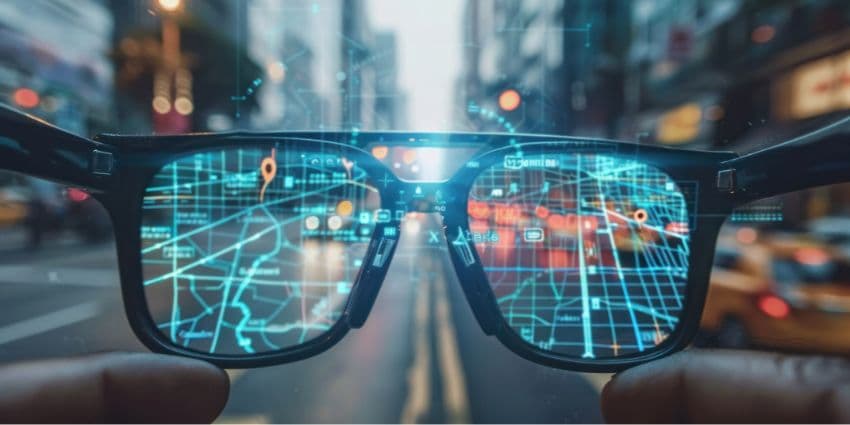
Let's be honest about where we are technologically. Today's smart glasses aren't the clunky, obvious devices we remember from Google Glass. Meta's Ray-Ban collaboration has achieved something remarkable—they look normal. Alibaba's upcoming Quark AI Glasses promise real-time translation and meeting transcription. Apple's rumored entry into the market suggests we're approaching mainstream viability.
The capabilities are genuinely transformative for workplace productivity. Imagine field technicians accessing repair manuals hands-free, international teams communicating seamlessly through real-time translation, or executives reviewing presentations while maintaining eye contact during meetings. These aren't sci-fi fantasies—they're happening now.
But here's what's fascinating: the better the technology gets, the more suspicious people become. It's a paradox that reveals something fundamental about human psychology and organizational dynamics that we in the XR industry have consistently underestimated.
The Trust Deficit: More Than Just Privacy Theater
The trust challenge goes far deeper than simple privacy concerns. Yes, people worry about cameras constantly recording their conversations and AI models analyzing their every glance. But the real issue is control—or rather, the perceived loss of it.
When someone wears smart glasses in a meeting, they fundamentally alter the power dynamics of that interaction. Suddenly, one person has capabilities the others don't. They can record, transcribe, lookup information, and potentially receive real-time coaching through AI assistants. The inequality isn't just technological—it's informational and strategic.
This creates what I call the "superpower problem." Smart glasses don't just augment reality; they augment the wearer's capabilities in ways that can feel unfair to others in the room. It's like bringing a calculator to a mental math competition—technically allowed, but it changes the nature of the game entirely.
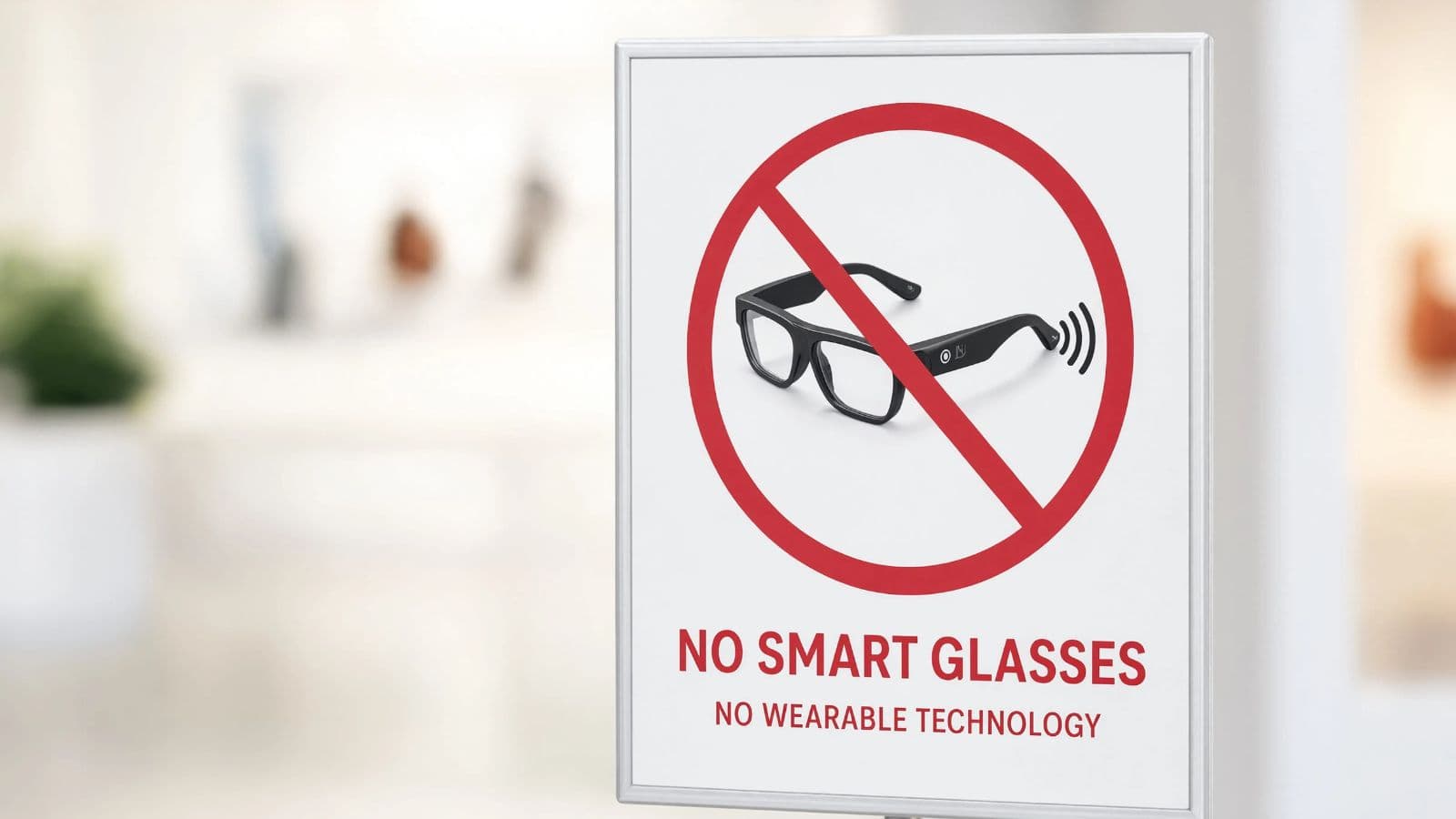
"I saw numerous people ask him to take them off if they were going to talk"
One Reddit user observed about encountering smart glasses at an industry dinner.
"Even though there is a light that indicates it's recording, lots of people will treat these glasses like they would someone sticking a phone camera in their face."
This reaction isn't irrational—it's deeply human. We've evolved sophisticated social cues around attention, recording, and information sharing. Smart glasses disrupt these ancient patterns in ways we're still learning to process.
The Geopolitical Complexity: East vs. West Trust Calculations
The emergence of Chinese smart glasses platforms like Alibaba's Quark introduces another layer of complexity that enterprise leaders must navigate. The traditional assumption that Western companies are more trustworthy with personal data has been severely challenged by years of privacy scandals and data breaches.
Now we face a curious reversal: some users express more comfort with Chinese platforms that can't easily share data with Western governments than with American platforms that might. This isn't necessarily logical, but it reflects the pragmatic reality that trust is often about choosing your preferred form of surveillance rather than avoiding it entirely.
For multinational enterprises, this creates unprecedented strategic complexity. Different markets may require different smart glasses platforms based on local trust preferences, regulatory requirements, and geopolitical considerations. The one-size-fits-all approach that worked for smartphones may not apply to smart glasses.
The Enterprise Trust Framework: Beyond Compliance
Here's where most organizations get it wrong: they approach smart glasses trust as a compliance exercise rather than a cultural transformation. Checking boxes for GDPR compliance or implementing data retention policies misses the deeper challenge of building genuine user confidence.
Successful smart glasses adoption requires what I call a "trust-first framework" that addresses three critical dimensions:
Transparency Architecture: Users must understand not just what data is collected, but how it's processed, who has access, and what decisions are made based on that information. This goes far beyond privacy policies—it requires real-time visibility into how the technology operates.
Control Mechanisms: People need meaningful ways to control their interaction with smart glasses, whether they're wearing them or encountering others who are. This includes technical controls (opt-out mechanisms, recording indicators) and social protocols (meeting etiquette, consent processes).