The Covid pandemic changed the way we work forever, shattering old rules about what offices are for and who benefits from being physically present.
As a result, work from home and hybrid setups have blossomed across much of the world. Yet just as the pendulum swung firmly in favor of hybrid, now many companies are beginning to want more employees in the office.
Indeed, over half of Fortune 100 businesses now mandate their employees return to the office full-time. Avoiding any debate about the efficacy of such a move, many company executives are faced with the huge task of planning how to turn their company back from hybrid to office-based. Some within a matter of months.
From uncertain office attendance to steadily rising workplace costs, the role of the CFO is squarely in the spotlight, as one of the biggest challenges of the new move is the new costs. Indeed, many offices will have to again increase office capacity following a downsizing, and a CFO needs to manage that expense plus see that they are getting good use out of their investment with engaged staff.
So, how can CFOs both encourage staff to come to the office and make it a place that justifies its cost? Here's how to do it right and deliver real value in 2025's new world of work.
Let Data Drive Space Decisions, Not Guesswork
For too long, office space planning relied on outdated assumptions or patchy calendar bookings. That era is over. The most forward-thinking CFOs now partner with facilities managers and IT to deploy sensor analytics, badge data, and actual utilization reports.
This provides a clear-eyed map of which areas are hotspots, which sit empty, and how patterns shift across week or season.
With real-time, objective data, finance leaders can make targeted decisions, like scaling back leases on underused space, reallocating budget to high-impact amenities, or investing in multipurpose zones that flex as needs change. It also turns RTO into a continuous improvement project: instead of one-time mandates, CFOs can pilot, track, and evolve space strategy as employees' habits evolve.
Critically, transparent data can help win skeptics among both executives and staff. Being able to show "why and how" cuts through anecdote and makes it easier to hold honest cross-department conversations about what's really working and what isn't. That builds trust in any changes proposed, whether cutting space or rolling out new investments.
Invest in Technology That Makes Office Time Worth It
One of the biggest gripes from employees about coming in is that the in-office workday often feels less convenient than being at home. Indeed, only 14% of the global workforce are looking for a traditional corporate workplace experience.
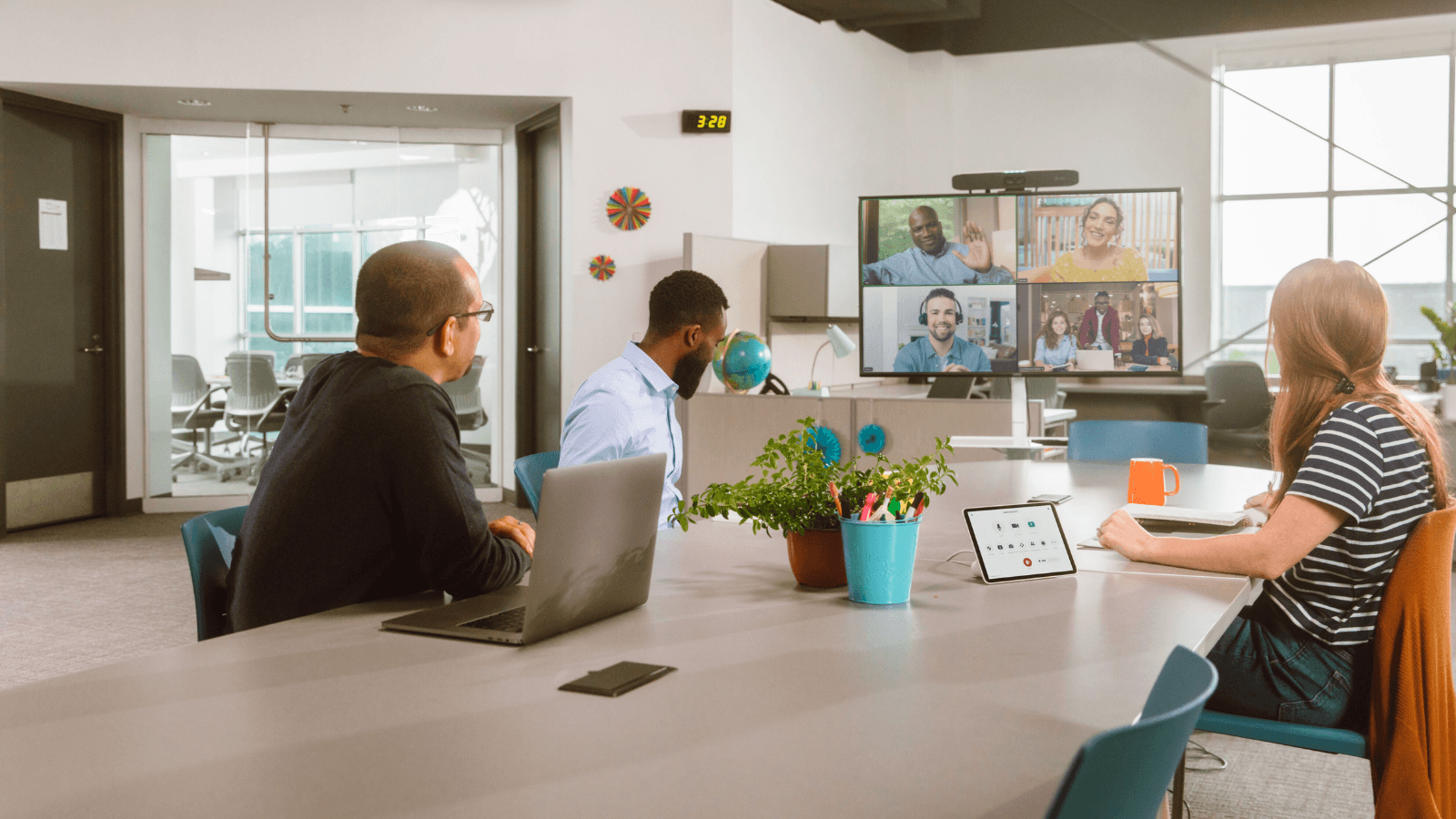
This is where cutting-edge AV, seamless wireless connectivity, fast room booking, and reliable collaboration platforms are no longer "nice-to-haves," but essential drivers of value. The most effective tech investments are those that erase friction.
CFOs should work with IT and facilities to standardize core tools: cross-platform meeting rooms that just work, intuitive interfaces for booking or finding space, and fast support for whenever something goes wrong.
By reducing confusion and wasted technical time, companies increase utilization rates and employees' willingness to spend days on site. It's also about flexibility: modern meeting tech should support a real mix of platforms—Teams, Zoom, Webex—so employees and guests aren't blocked by vendor lock-in.