Looking at the numbers, you wouldn’t think that Microsoft Teams is just about three years old. It had 44 million daily active users in April – in May, this number jumped by 70% to reach 75 million daily active users.
Microsoft Teams’ runaway success owes to two factors: first, there is the pandemic, which pushed millions of people to WFH worldwide. This makes a cloud-based tool like Teams a business essential. But even before COVID-19, Teams was doing surprisingly well, ahead of older and more recognized players. For example, it took Slack nearly six years to hit the 10 million mark, while Teams crossed 30 million daily active users, prior to the pandemic.
For those already in the Mircosoft ecosystem – for instance, using their analytics tools or the Office 365 suite – Teams makes perfect sense. But for other companies/users, you might want to shop around a little before adopting. Here are three Microsoft Teams alternatives that belong on your checklist:
Microsoft Teams alternatives #1: Zoom
You think of video conferencing in this pandemic environment and Zoom is probably the first name that comes to mind. Zoom has seen incredible adoption among users of all types, be it enterprise, governments, schools, or even for personal purposes. There’s even an entire television show exploring Zoom’s own dating culture, called Zoom Bachelorette!
So, what’s the driver for Zoom’s growth? To being with, it has a smarty designed freemium structure, where the basic (free) plan covers all your essentials. You get up to 100 participants per meeting, up to 40-minute-long group meetings, HD support, and even ticket-based service support.
For companies that go in for a paid version, there are additional features like call recording storage on the cloud, enhanced security, add-ons for business telephony, adoption analytics, and meetings where you can invite up to 1000 participants.
Prices range from $14.99 to $19.99 per host per month, while in the case of Microsoft Teams, you’d have to invest $5 for every user unless you opt for the free version.
Microsoft Teams alternatives #2: Cisco Webex
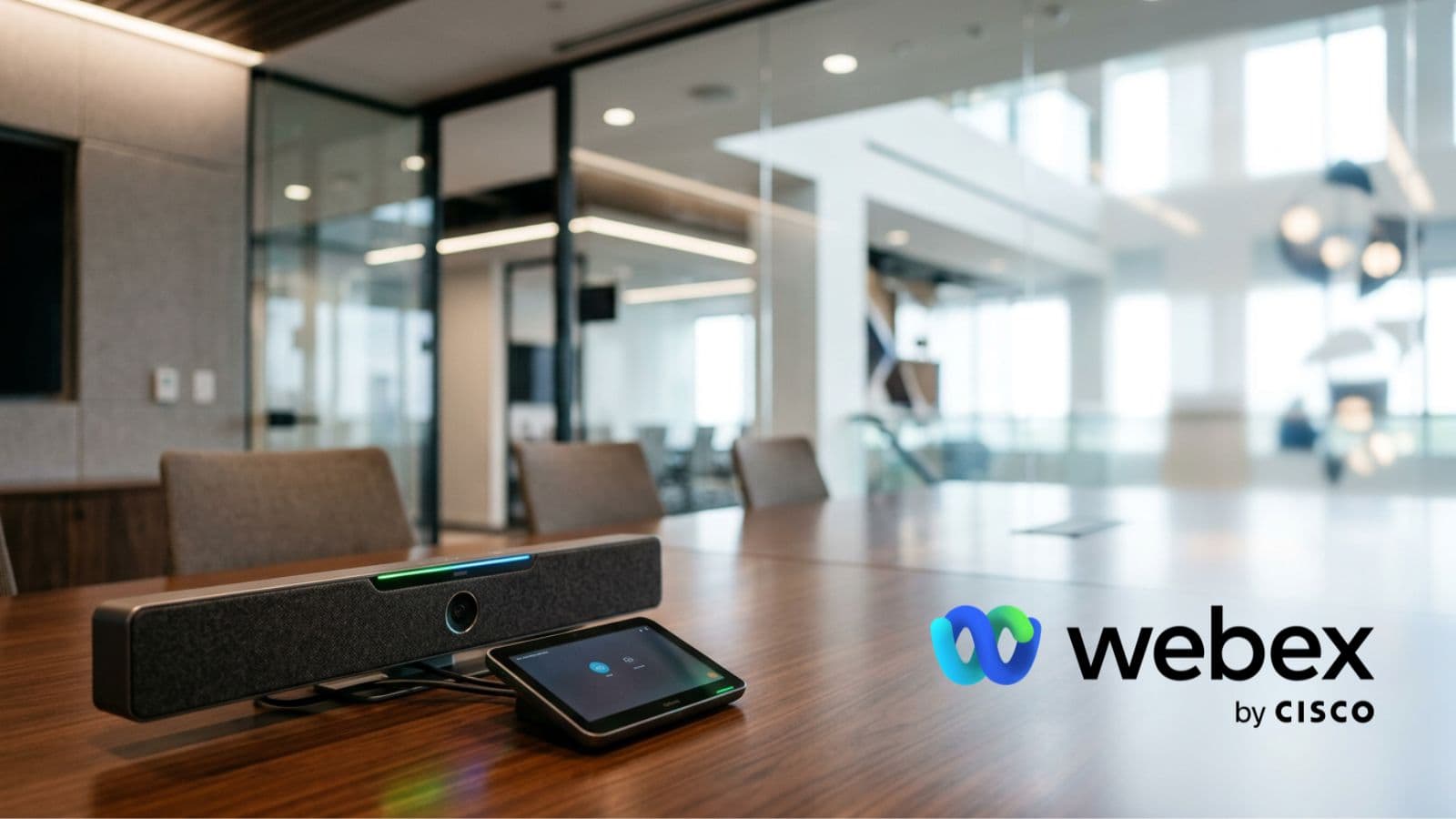
Cisco’s acquisition of Webex in 2007 was a brilliant move. It brought together Cisco’s rich history of network and end-point innovation with Webex’ collaboration tools. Today, you can access a wide variety of solutions under Cisco Webex, including events, meetings, conferencing, collaboration, training contact centres, and remote support.
As a Microsoft Teams alternative, you can consider Cisco’s own Webex Teams.