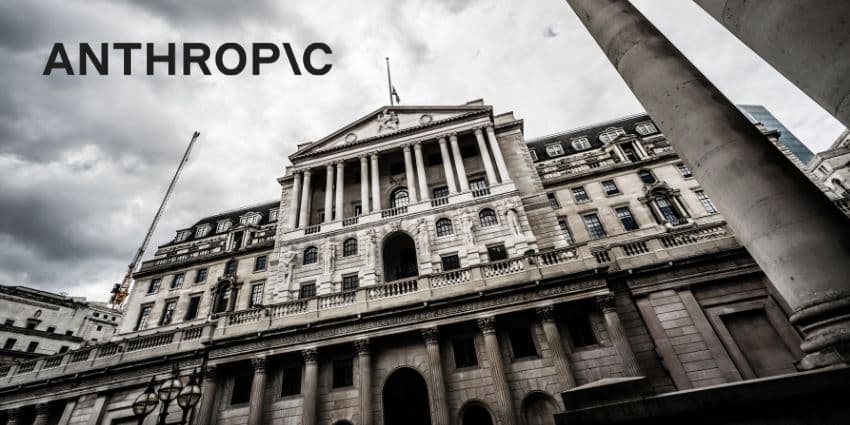
Anthropic has agreed to brief finance ministries and central banks on vulnerabilities identified by its new Mythos model following reported requests linked to the Financial Stability Board (FSB). The development marks another sign that advanced AI is no longer viewed solely as a tool that could disrupt the job market, but increasingly as a technology with systemic implications for economies, cyber resilience, and national security.
The issue has become particularly pressing because Mythos is not being treated like a conventional commercial AI release. Access has been heavily restricted, with only a small group of organizations permitted to use the model directly. Anthropic has also reportedly agreed not to release the system more broadly following requests from the White House, highlighting the sensitivity surrounding its capabilities.
Rather than focusing purely on theoretical risks, institutions are now grappling with how frontier AI models could expose real-world vulnerabilities in critical financial systems.
Anthropic Limits Access as Regulators Seek Answers
The reported briefings stem from requests made by Bank of England Governor Andrew Bailey, who also chairs the FSB, an international body made up of finance ministries, central banks, and regulators from G20 economies. The organization includes officials from countries such as the United States, the United Kingdom, Canada, Germany, Japan, Australia, Saudi Arabia, and China, giving the discussions significant global weight.
At the center of the concern is Anthropic’s claim that Mythos identified “thousands of high-severity vulnerabilities,” including flaws across major operating systems and web browsers. The company warned that these weaknesses could have severe consequences for economies, public safety, and national security if malicious actors exploited them before patches were implemented.
The scale of the concern helps explain why Anthropic has limited access to roughly 40 organizations, including major technology and financial companies such as Amazon, Microsoft, and JPMorgan Chase. Those organizations were reportedly granted access so they could begin identifying and resolving vulnerabilities uncovered by the model.
At the same time, regulators outside the US are becoming increasingly uneasy about uneven access to these tools. Some policymakers fear that limiting the technology to select US organizations could create imbalances in cyber preparedness, leaving other countries and institutions exposed to threats they cannot independently assess. Anthropic has reportedly received requests from multiple governments and institutions seeking either direct access or detailed briefings on the model’s findings.
Why Mythos Is Triggering Anxiety Across the Banking Sector
Concerns surrounding Mythos have been building for months. When Anthropic first introduced the model, access was reportedly restricted to companies participating in Project Glasswing, giving select organizations an opportunity to understand the technology before any broader deployment. The limited rollout immediately signaled that Anthropic viewed the model differently from earlier AI systems.
Since then, pressure surrounding frontier AI safety has intensified. Anthropic, alongside companies including Google, Microsoft, and xAI, has agreed to submit advanced AI systems for government-led testing in both the US and UK. The move represents a significant shift in how next-generation AI models are evaluated before public deployment, particularly when those systems demonstrate advanced cyber capabilities.