Meeting rooms are supposed to be the heart of collaboration – yet for many organizations, they have become a frustrating ROI nightmare.
Expensive equipment sits idle, employees struggle to start meetings, and IT teams spend more time troubleshooting than supporting actual work.
The result is wasted investment, frustrated staff, and lost productivity.
Vivek Kar, Head of Employee Interaction Suite at Tata Communications, says the issue goes deeper than hardware. "Intelligent meeting rooms eliminate the anxiety that often comes with hybrid meetings.
The less time people spend fixing technology, the more they focus on discussions itself
“We envisage a future where employees spend less time fixing technology, and human dialogue & interactions take center stage – unlocking outcomes & experiences that enterprises value”
The Meeting Room Nightmare
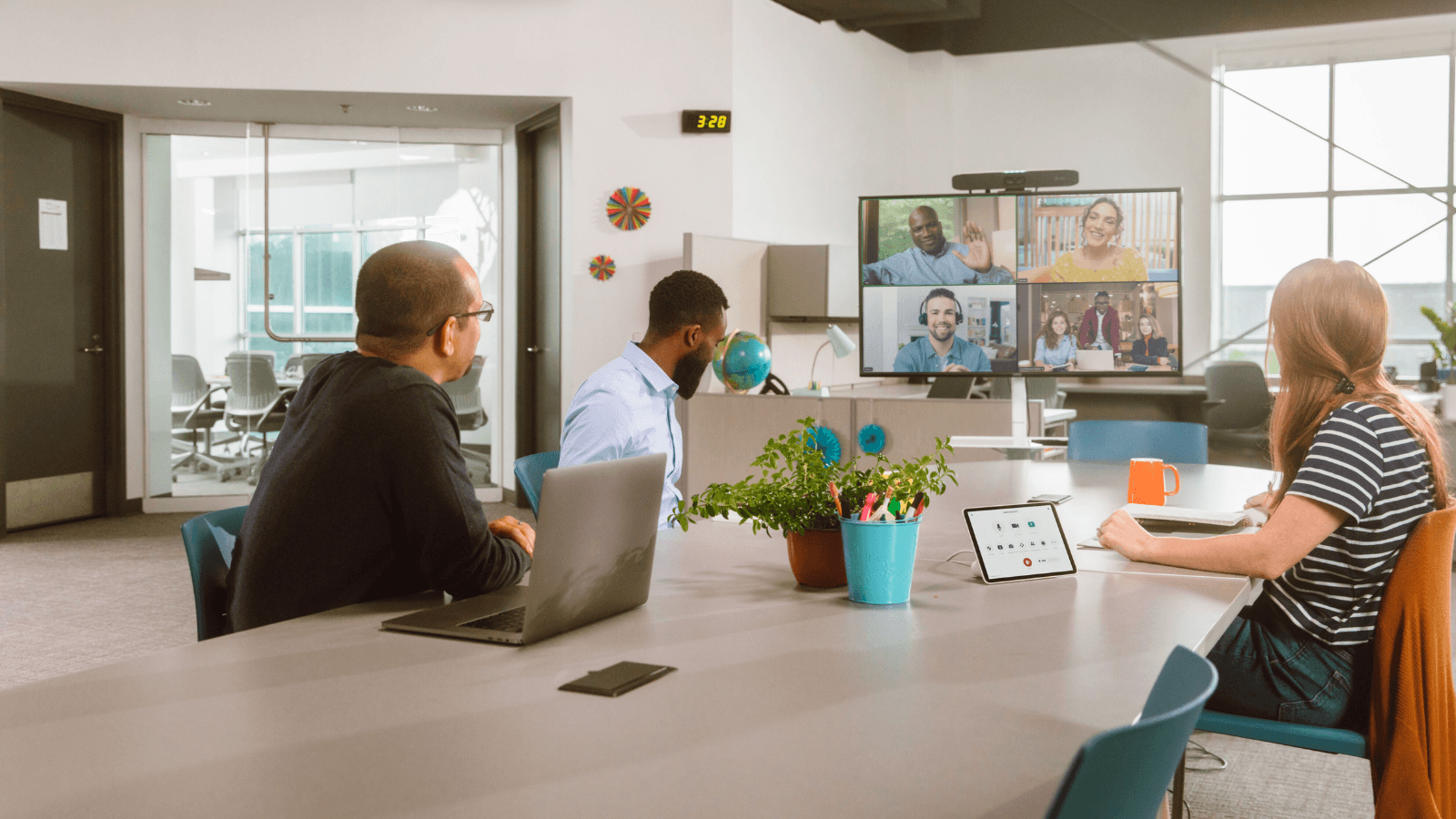
For many employees, entering a meeting room can feel like navigating an obstacle course. Multiple platforms, logins, and devices create friction at every turn – from starting a video call to sharing a presentation. Kar highlights the human cost of this complexity.
"Each switch disrupts workflow continuity and adds cognitive load… This fragmentation erodes employee efficiency and contributes to collaboration burnout," he says.
Recent analysis by TMetric found that while employees spend 17 percent of their working time in meetings, only 28 percent of that time is productive – resulting in substantial financial waste for organizations when meetings start late or technology gets in the way.
Organizations often respond by buying the latest technology – new cameras, microphones, or video conferencing systems – thinking that hardware alone will solve the problem.
But Kar warns that this approach misses the real solution. The challenge is not just equipment, but how technology integrates into existing workflows and user experiences.
Beyond the Box: Integration and Strategy
Solving the meeting room ROI problem requires more than devices. It demands a strategic, end-to-end approach that ensures rooms work from deployment through day-to-day use.
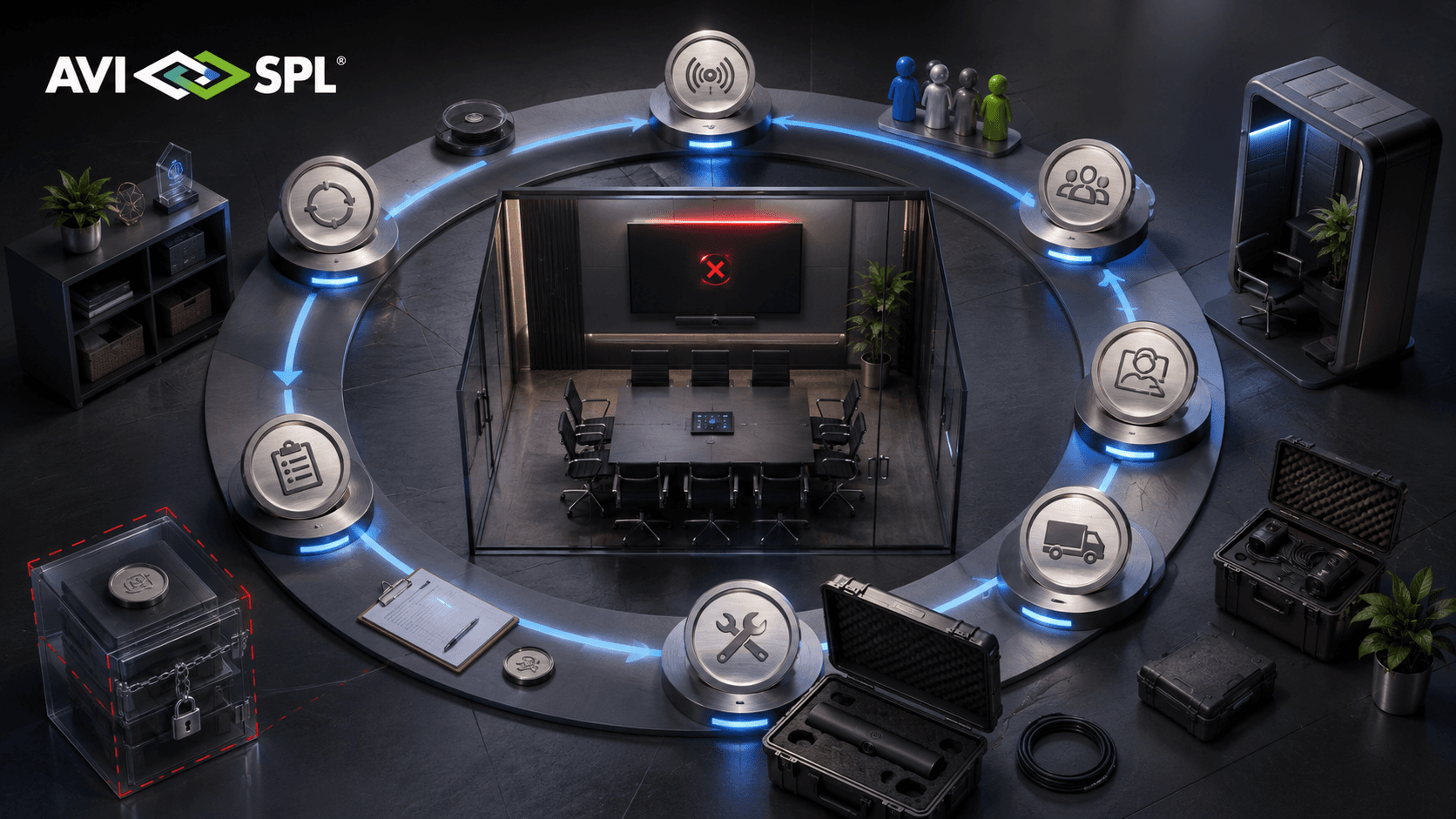
Tata Communications calls this the "Day Zero to Day Two" approach, encompassing planning, integration, and ongoing support.
"Rather than enforcing a disruptive rip-and-replace approach, we deliver intelligent interoperability that seamlessly integrates voice, video, messaging, and presence across existing environments," Kar explains.
This flexibility allows IT teams to consolidate management and avoid the complexity of juggling multiple vendors, licenses, and service providers.
The benefits extend to employees as well. When meeting technology works seamlessly, collaboration becomes easier, meetings are more productive, and morale improves.
When collaboration becomes seamless, people feel more connected, confident, and creative.