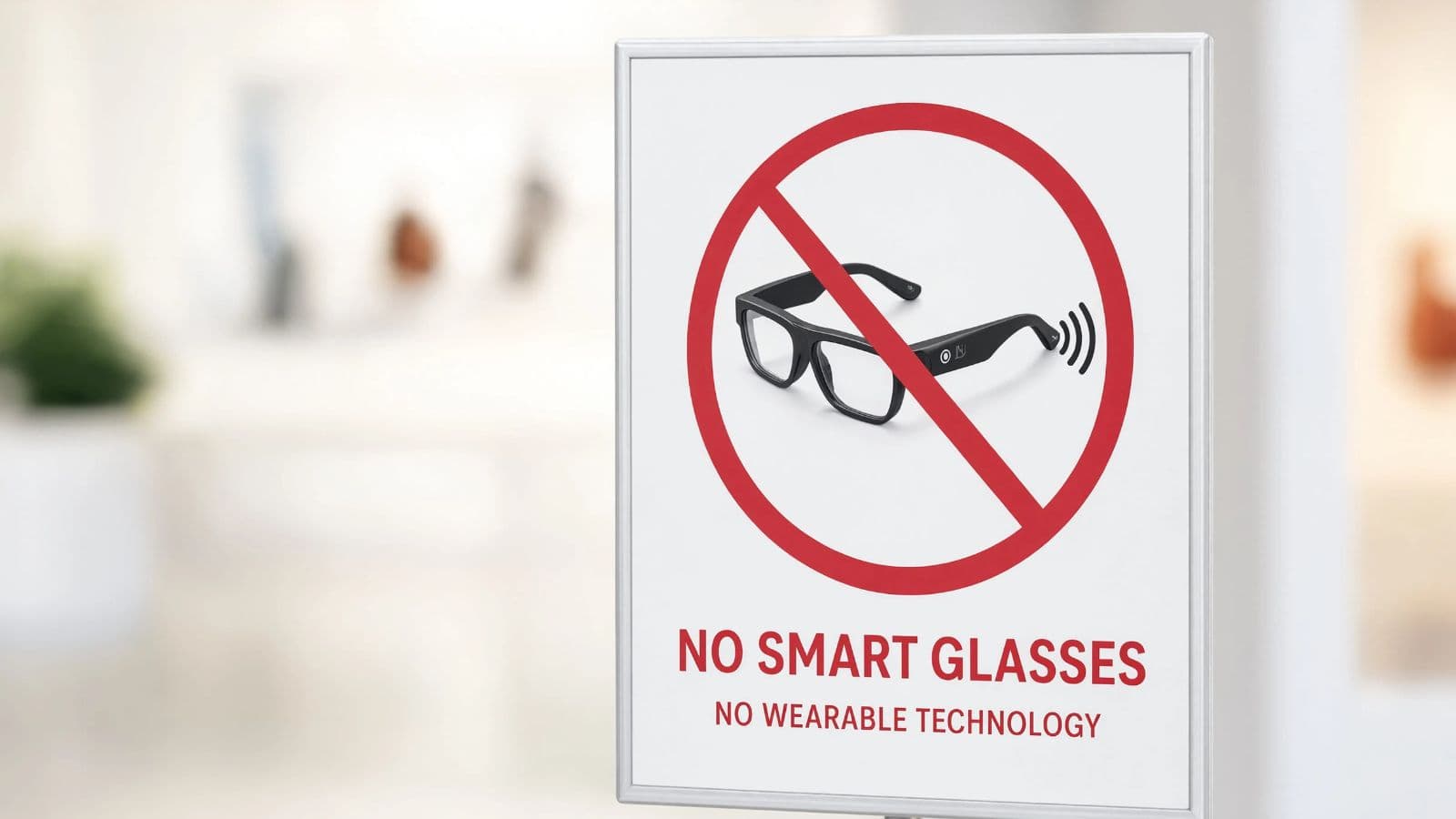
Wetherspoon has clarified that it has not banned Meta smart glasses from its pubs, despite multiple media reports suggesting the UK pub chain had introduced a blanket restriction on the devices.
Speaking to UC Today, a Wetherspoon spokesperson said the company had not created a specific policy for smart glasses.
Instead, its existing policy against covertly recording customers or staff applies to camera-equipped wearables in the same way it applies to mobile phones.
“Wetherspoon said that photographing or videoing customers without their permission was prohibited and that, with regard to Meta glasses, our instinct was to say ‘turn the cameras off’,” the spokesperson said.
“However, Wetherspoon did not say that Meta glasses are banned, and we have not introduced a company policy specifically for smart glasses.”
Existing Rules Apply To Smart Glasses
The pub chain said its position is based on a general expectation that people in its venues should not be covertly recorded without their knowledge or permission.
“Whereas CCTV is used for security and safety reasons, our general policy, in common with many companies, is that customers or staff should not be covertly recorded without their knowledge or permission,” the spokesperson said.
“In this regard, the same rules apply to Meta glasses as for mobile phones.”
That distinction is important for venue operators considering how to respond to camera-equipped wearables.
Existing rules on filming and consent may be sufficient in some settings, while others may choose to create explicit rules covering smart glasses, livestreaming and hands-free recording.
Why Recording Glasses Raise New Questions
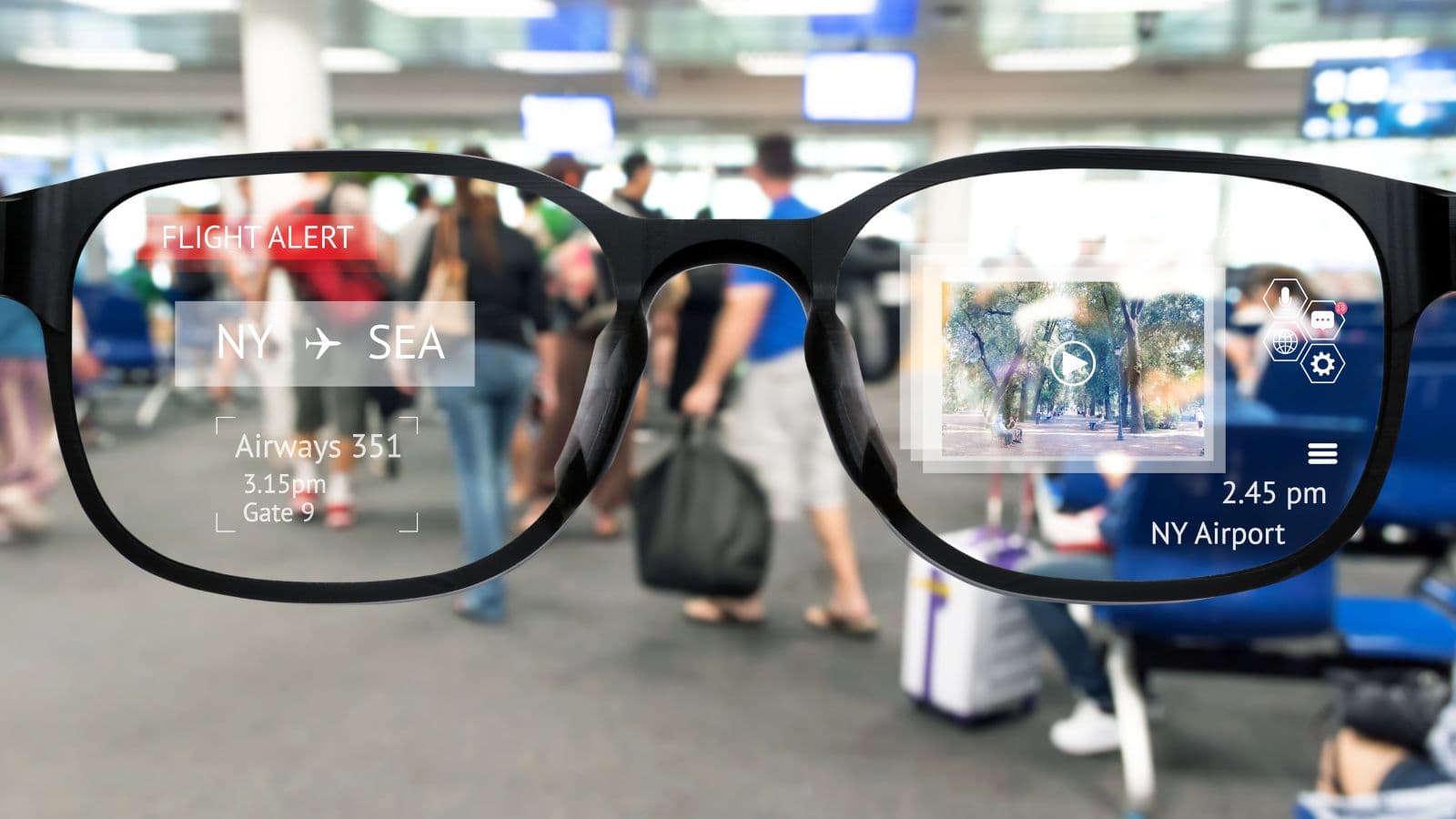
Meta’s Ray-Ban smart glasses allow users to take photos and video hands-free, alongside functions including calls, music, livestreaming and AI assistance.
The company says a visible LED illuminates when the wearer is taking a photo or recording video, signalling that the camera is active.
Meta has argued that the glasses offer useful consumer and accessibility features, including hands-free communications, live translation and assistance for people who are blind, low-sighted or hard of hearing.
However, critics have questioned whether the indicator provides meaningful notice in busy, dimly lit or crowded environments. A phone lifted to record is generally conspicuous. Glasses worn as part of everyday clothing are not.
That has made the technology a focal point for concerns about non-consensual filming, particularly where footage is shared online.