Cool Consumer Features - But Business Could Benefit Too
Smart glasses tech in industry isn't theoretical - businesses are already proving its value.
Amazon publicly highlighted using Vuzix smart glasses in warehouse operations, enabling remote experts to diagnose equipment issues in real-time through "see what I see" functionality. At BMW's Munich factory, workers using smart glasses improved inventory identification times by 22% and reduced errors by 33%.
DHL and other companies have rolled out vision picking processes in warehouses, showing that smart glasses can complement voice and scanning technologies to improve worker efficiency. Vuzix currently has more than 500 active deployments globally in maintenance, repair, and operations spaces. Workers can view inventory data in the corner of their eye through voice-controlled displays featuring integrated barcode readers.
One advantage for broader adoption is that workers typically achieve proficiency with smart glasses within 10 to 15 minutes of training and can wear them comfortably all day. The technology builds on familiar interactions rather than requiring entirely new behaviors.
For everyday users, the glasses could handle tasks like GPS navigation while walking, reading messages without pulling out a phone, or taking photos with an upgraded camera system that Meta says will rival the iPhone 13.
"The use of glasses for broader picking applications is limited right now, but for some specific applications, the use of glasses might be meaningful," said Sandeep Venkatasamy from Lucas Systems.
Market Growth and Technical Hurdles
The global smart glasses market was worth almost $2 billion last year and is projected to reach $8 billion by 2030, with Meta holding more than three-quarters market share. Smart glasses shipments surged 110% year-over-year in the first half of 2025.
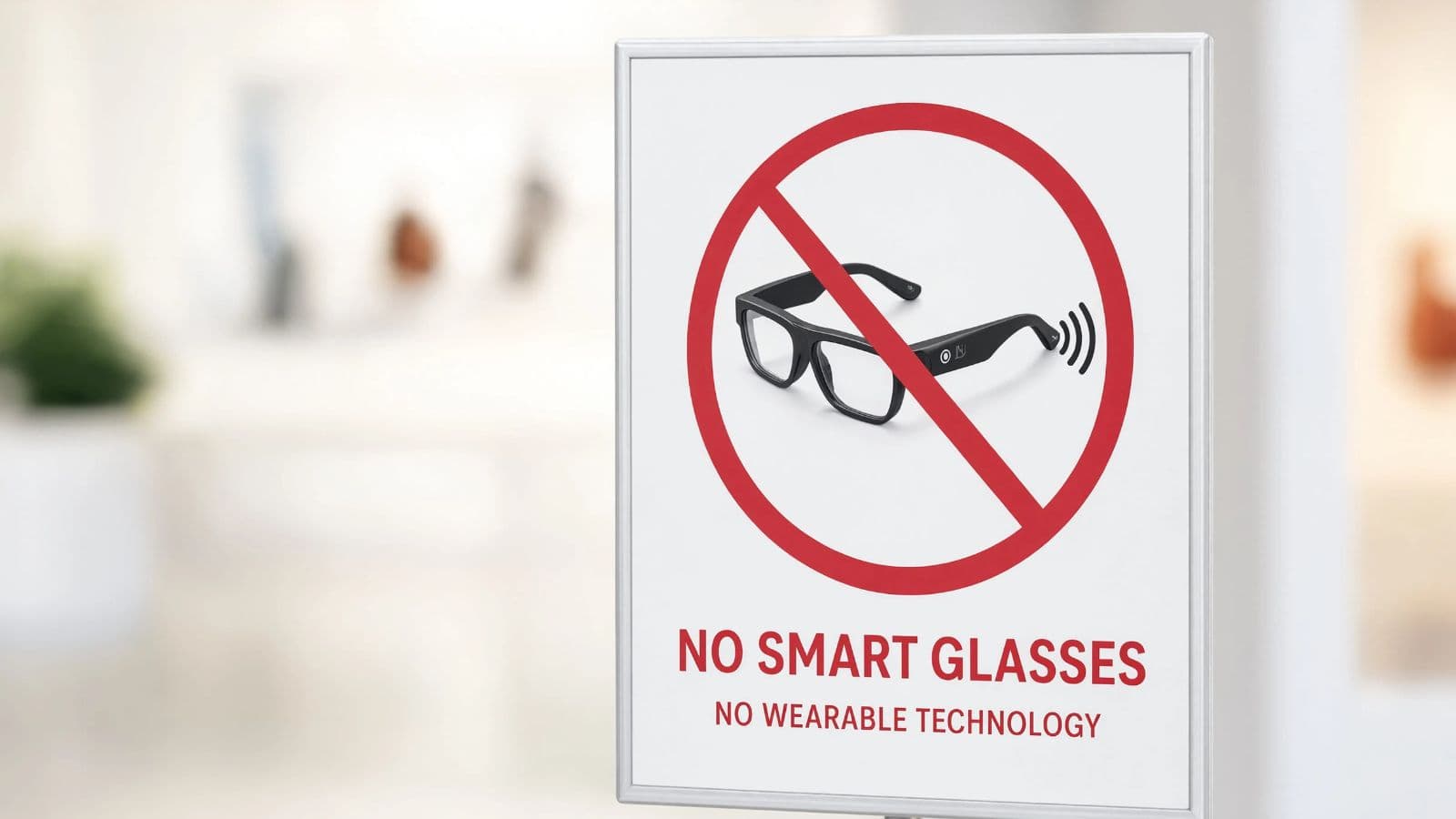
However, challenges remain. Security is a major concern, with companies needing to restrict certain capabilities to protect employee and customer data. The glasses also face the same privacy questions that have dogged wearable cameras since Google Glass.
Current enterprise smart glasses lack true augmented reality and vision recognition capabilities - limitations that Meta's AI integration could potentially address.
David Krebs, vice president of research with VDC Research, says:
I think there is a lot of interest and experimentation going on with smart glasses, but also unanswered questions from a technology standpoint and also from the user and application standpoints.
Enhancing in September
Meta is expected to unveil its upgraded smart specs at its Connect conference on September 17.
The launch will test whether consumers and businesses are ready for smart glasses that actually display information rather than just capturing it.
The company is already working on a second-generation model with displays in both lenses, targeted for 2027. But first, Hypernova needs to prove that people want to see data floating in their peripheral vision badly enough to pay premium prices for the privilege.
Key differences from Ray-Ban Meta:
- Integrated display vs. audio-only feedback
- Enhanced camera quality
- Neural wristband gesture controls
- $800 vs. $299-$380 pricing
- Android-based OS with app ecosystem
This is probably Meta's biggest bet yet on wearable computing that moves beyond novelty into practical daily use, for both consumers checking notifications and potentially workers navigating complex tasks.