Companies exploring extended reality (XR) for productivity, creativity, and collaboration are expanding their use cases. Many firms navigating mixed reality vs. augmented reality's subtleties may wonder how each is different.
Learning the difference between mixed reality vs augmented reality (MR/AR) is crucial. This will allow companies to invest in the right digital medium to benefit targeted objectives.
While many people generally understand AR and MR, they struggle to tell the difference. For instance, AR and VR experiences blend virtual and real worlds. Many people also think that MR is just another term for AR.
The reality, no pun intended, is that MR and AR are two very different concepts.
Here's a closer look at the two.
AR and the Digital Overlay
AR is one of the more well-known forms of XR. With AR, users can overlay digital content on the real world.
In consumer markets, AR Snapchat filters can add puppy ears to a person's face with smartphone cameras and face-tracking software.
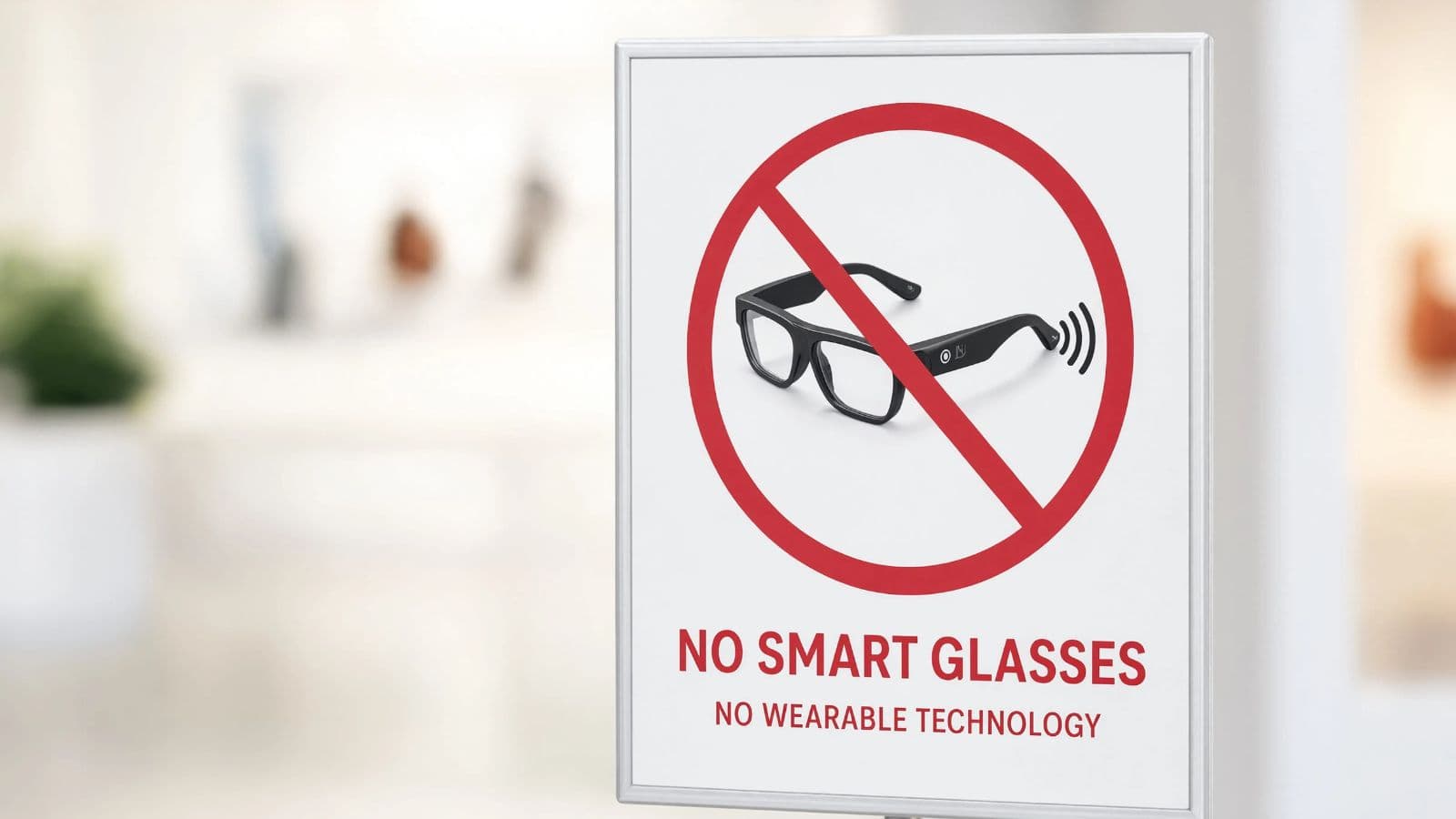
Augmented reality has become extremely valuable today due to its accessibility. Tools like Apple's ARkit and Google's ARCore allow users to develop immersive experiences for smartphones and immersive devices such as smart glasses.
These overlay digital content in real-time via wavefinders on the smart glasses. This allows people to always see content overlayed in their field of view (FoV).
Companies such as Qualcomm are facilitating this even more with their ground-breaking Snapdragon AR2 platform, which provides an essential processing kit for smart glass developers.
AR is quickly making its way into a variety of settings. Retailers use it to help customers visualize a product before they buy it. Engineers also employ AR to access valuable information about a product without fumbling with physical manuals.
Companies such as Taqtile and Kognitiv Spark are saving immense amounts of time, money, and manpower with remote guidance systems capable of resolving problems or walking employees through critical fixes.
This reduces equipment downtimes with rapid repair turnaround times, even if staff are thousands of miles from headquarters.
As smart glasses become more consumerised and affordable, the demand for AR is growing.