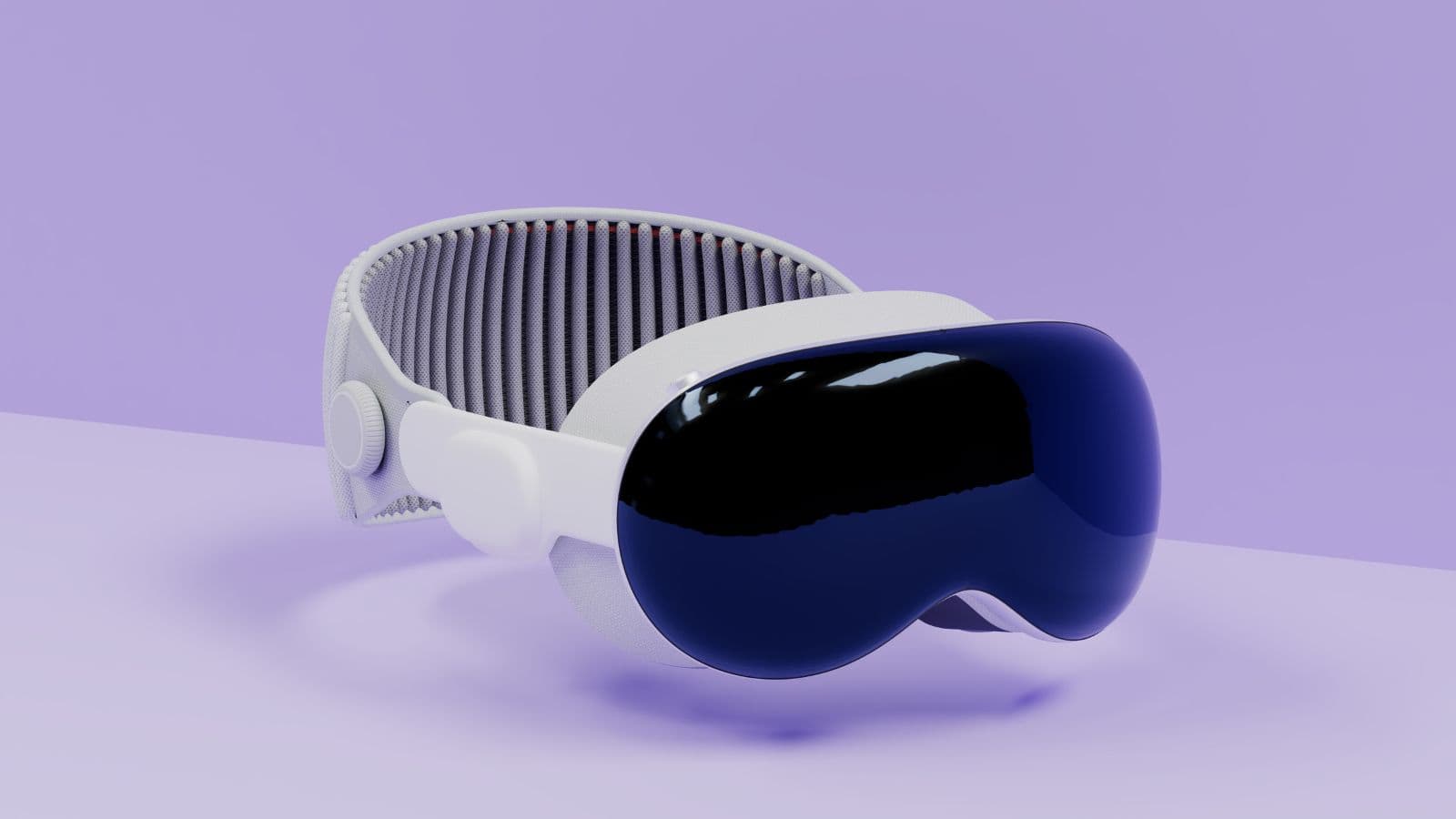
Surgeons at UC San Diego’s Shiley Eye Institute completed eye procedures 19 percent faster when using Apple Vision Pro to view endoscopic footage, according to a new study.
The peer-reviewed research compared 16 procedures performed with the headset against 16 using a conventional operating-room monitor.
Cases in which surgeons used Vision Pro averaged 34.4 minutes, compared with 42.7 minutes for the monitor group.
Horace Dediu, a study co-author who assessed cost and space implications, argued that the headset must be evaluated in an operating-room context rather than as a consumer product.
“The data above shows that within the context of the operating room, the Apple Vision Pro is notable for being very small and very cheap,” Dediu wrote in a separate post discussing the research.
“For a hospital the cost of the Vision Pro is not insignificant. The paper considered what it can do, and, for that, it’s a bargain.”
A Practical Operating Room Use Case
The study tested Apple Vision Pro as a primary surgical display.
During the procedures, surgeons relied on a live video feed from an endoscopic camera. Traditionally, that footage is shown on a monitor placed elsewhere in the operating room, requiring clinicians to look away from the patient.
Using Apple Vision Pro, surgeons could view the same feed directly in front of them while operating. The researchers said the set-up allowed clinicians to keep a more natural, forward-facing posture.
The research team assessed operating time, procedure success, complications, surgeon workload, ergonomics, cost and the physical footprint of the equipment.
The study involved two fellows carrying out the procedures, supported by three attending surgeons. All five said they preferred using Apple Vision Pro.
Rather than positioning the device as a replacement for surgical expertise or existing medical systems, the research points to a specific role for spatial computing: bringing the information clinicians already use closer to their field of view.
Lower Workload Reported by Surgeons
The researchers used NASA’s Task Load Index to measure the surgeons’ perceived workload.
They found a lower overall workload score among the Vision Pro group. The largest reduction was in physical demand, consistent with the idea that removing the need to repeatedly turn towards a fixed display may reduce physical strain in theatre.
The authors concluded that Vision Pro use was “associated with shorter operative times and lower surgeon-reported workload while occupying minimal space.”